How to care for mustard plants? Tips, recommendations and things to know
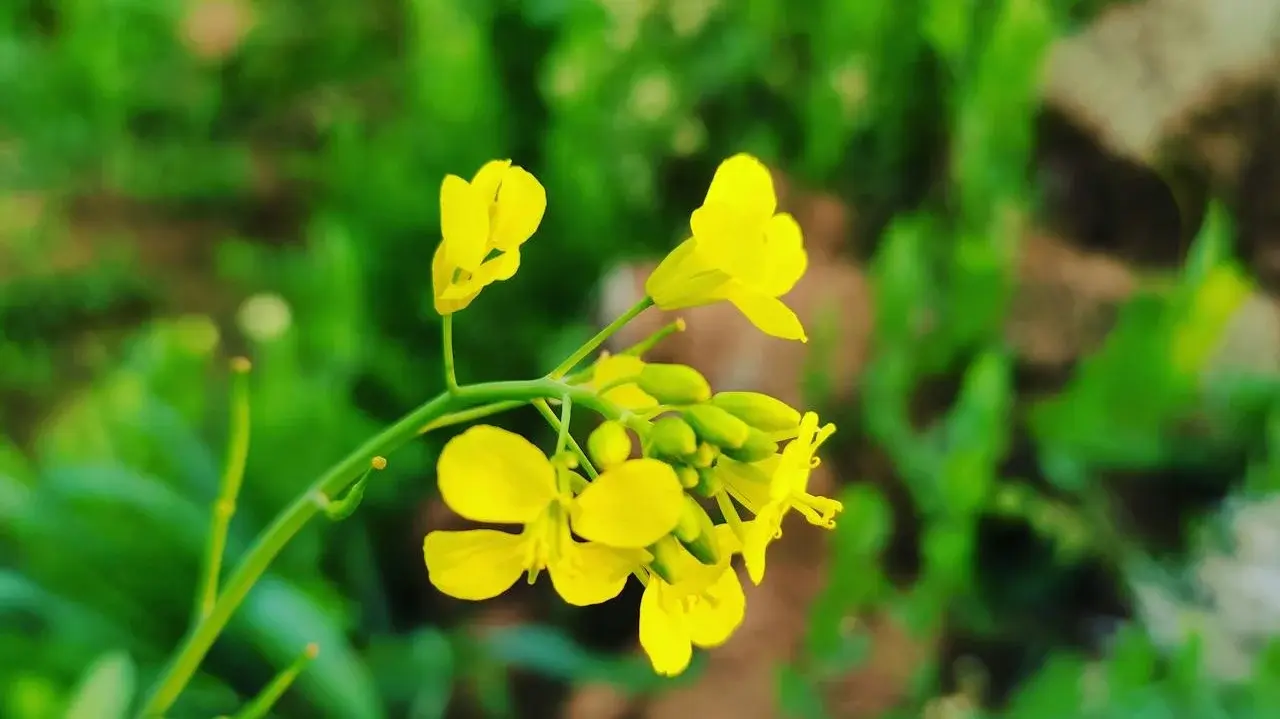
The mustard plant grows quickly and is considered very versatile because its flowers, leaves, and seeds can all be used. It is generally very easy to grow, even for people with little experience, although they must learn some techniques and respect its basic conditions.
In fact, this plant thrives in protected spaces such as greenhouses. There are recommended models such as the multitunnel greenhouse, gothic greenhouse or multi wide span greenhouse. Each has a special design, but in all of them you can control humidity, temperature and other conditions. nbsp;
Would you like to learn more about the mustard plant? Throughout this article, we will explain everything you need to know. You will understand its characteristics, the best way to care for it, and other information that will be relevant when growing it.
- What is mustard?
- Origin of mustard
- Why is the mustard plant so distinctive?
- How to care for mustard plants?
- What properties and benefits does mustard and its leaves have?
- Common pests and diseases affecting mustard plants
- Best greenhouses for growing mustard plants
What is mustard?
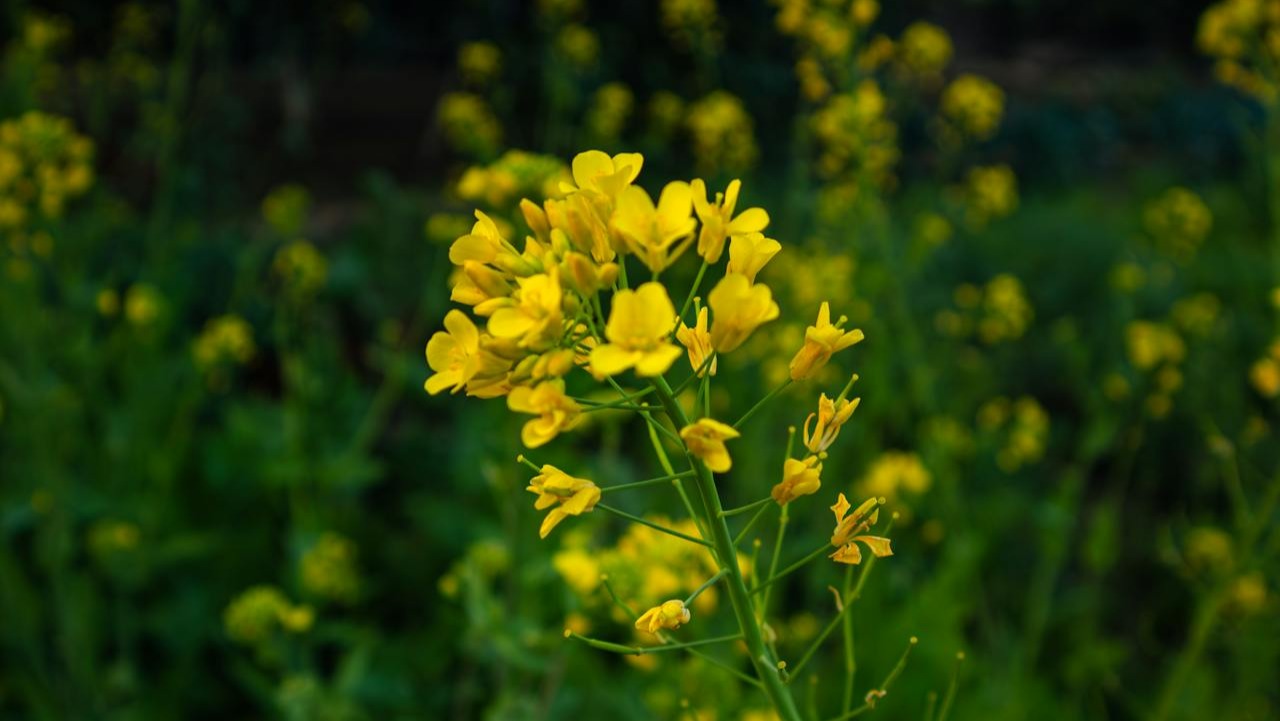
Mustard is a herbaceous plant belonging to the cruciferous or brassicaceae family. It is usually cultivated for:
- Its seeds: Those used to make mustard sauce.
- Leaves: Used in various culinary preparations.
But in addition to being used as food, mustard is also used in agriculture as a cover crop. This helps improve soil structure and reduces weed growth.
Origin of mustard
You should know that mustard has been cultivated in Europe, Asia, and North Africa for thousands of years. Since ancient times, civilisations such as the Romans have used its seeds for cooking and medicinal purposes.
Over time, cultivation spread to various parts of the world. It adapted to different climatic conditions and became a common plant in gardens and farms.
Why is the mustard plant so distinctive?
The mustard plant is renowned for having certain characteristics that make it easily recognisable. Furthermore, these characteristics are what make it special:
- It grows quickly and vigorously: It is a crop that allows you to obtain leaves and flowers in a short time. For this reason, it is considered a profitable and practical option for intensive gardens and crops.
- The mustard flower is bright yellow: This makes it visually striking and is vital in the seed production process and in attracting pollinators.
- It has a very distinctive spicy flavour: Both the leaves and seeds have an intense flavour thanks to their compounds.
- It is highly resistant and adaptable: It is known to tolerate different types of soil and moderate climatic conditions. This makes it easy to grow in different regions.
How to care for mustard plants?
The mustard plant requires a series of care measures to ensure it develops well. Here we explain them in detail.
Adequate watering
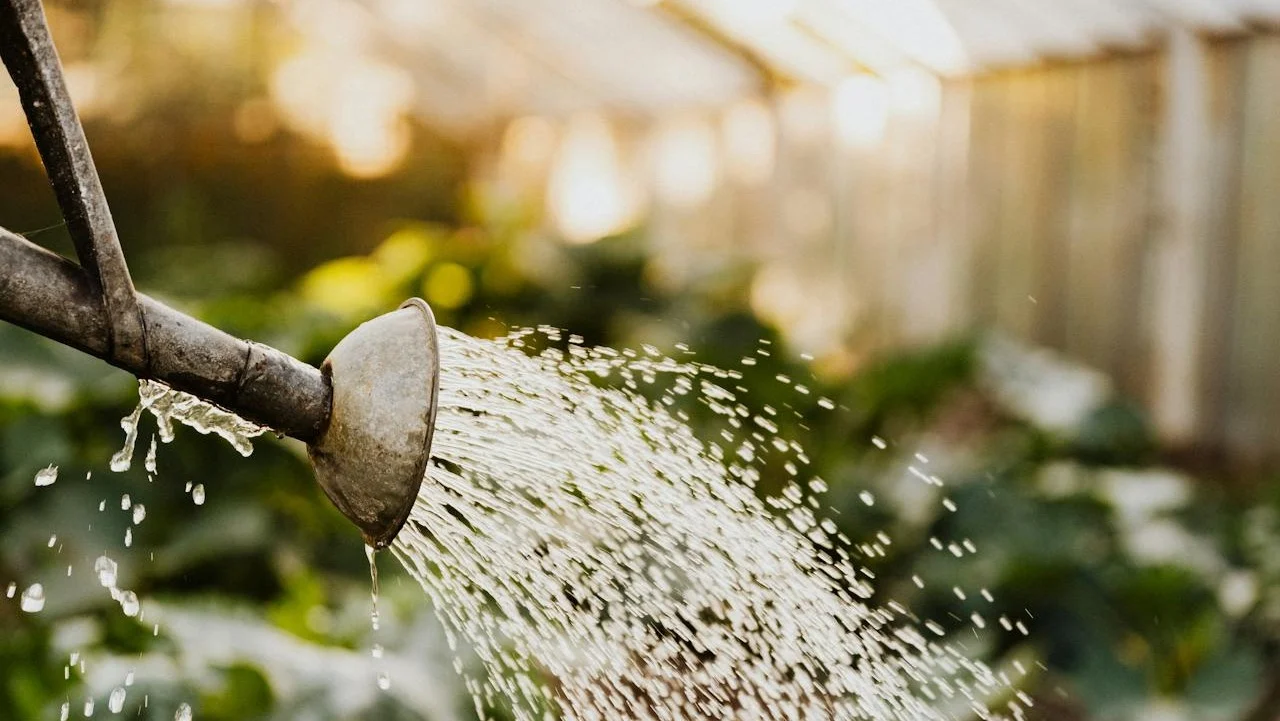
This plant needs regular watering, especially during the early stages of growth. The soil should be kept moist, but do not overwater as waterlogging often leads to disease.
If you achieve balanced watering, the leaves will be tender and flowering will be adequate. This is vital for good production.
Soil preparation
What is the ideal soil for the mustard plant? It should have the following:
- Be loose
- Well drained
- With a good supply of organic matter.
It must be prepared correctly so that nutrients can be absorbed and it can develop a good root system. Although it is a hardy plant, well-tilled soil will always influence the quality of the crop.
Sun exposure
Remember that mustard needs several hours of direct sunlight per day to grow healthily. Good lighting promotes vegetative growth and flowering.
If you are in an area with variable weather, it is ideal to have a protected crop to help maintain constant exposure.
Suitable temperature
The mustard plant grows best in mild temperatures. Remember that it tolerates moderate cold, but severe frosts affect its growth.
As long as you provide a stable temperature, you will avoid stressing the plant and improve its performance.
Harvesting mustard seeds
As for harvesting seeds, they are collected when the pods dry out and change colour. It is essential to do this at the right time to avoid losses due to the pods opening naturally.
Once harvested, you should dry the seeds and store them in a cool, dry place.
Harvesting mustard leaves
Mustard leaves can be harvested when they are still young and tender, a few weeks after sowing. At this stage, the flavour is milder and more pleasant.
Remember that progressive harvesting allows the plant's productive cycle to be extended.
What properties and benefits does mustard and its leaves provide?
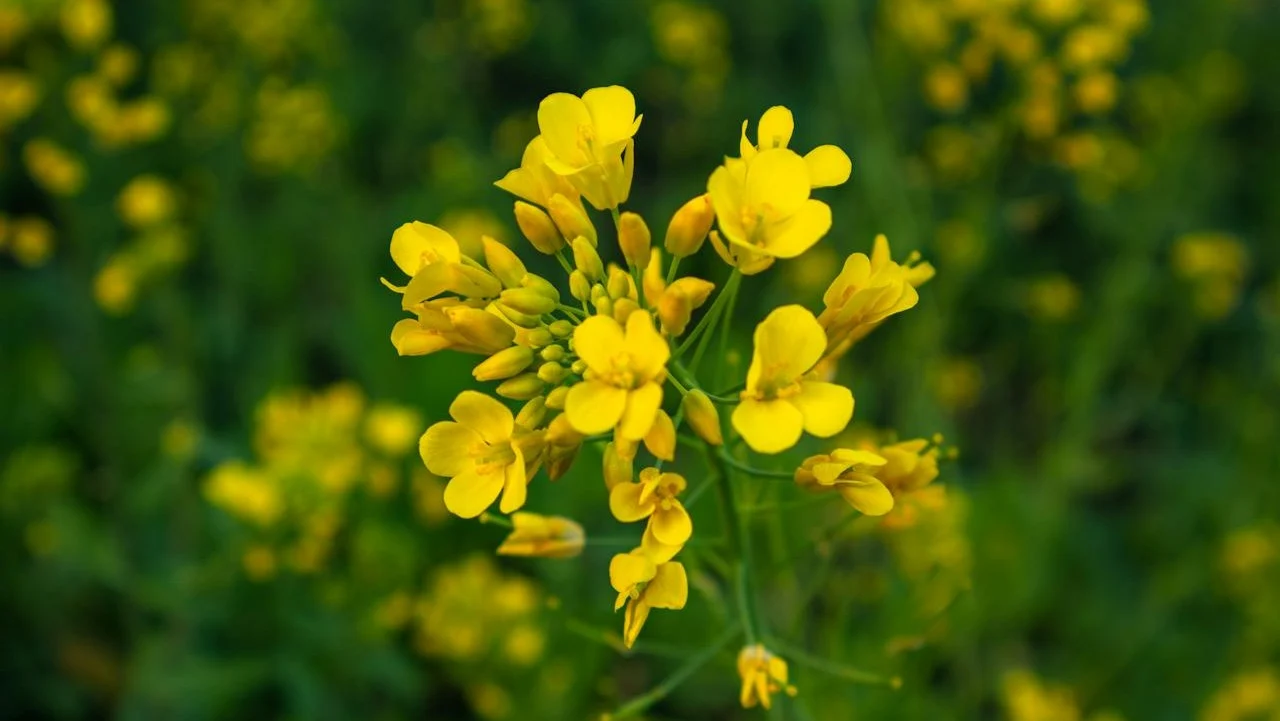
Mustard is a plant with a very interesting nutritional profile. Here's why:
- Provides essential vitamins: It is renowned for its vitamin C content, which helps strengthen the immune system.
- It is a source of minerals such as calcium and potassium: This helps maintain bones and proper muscle function.
- Contains natural fibre: Aids digestion and contributes to a balanced diet.
- It has antioxidant and anti-inflammatory properties: Its natural compounds help combat oxidative stress and improve digestive health.
Common pests and diseases affecting mustard plants
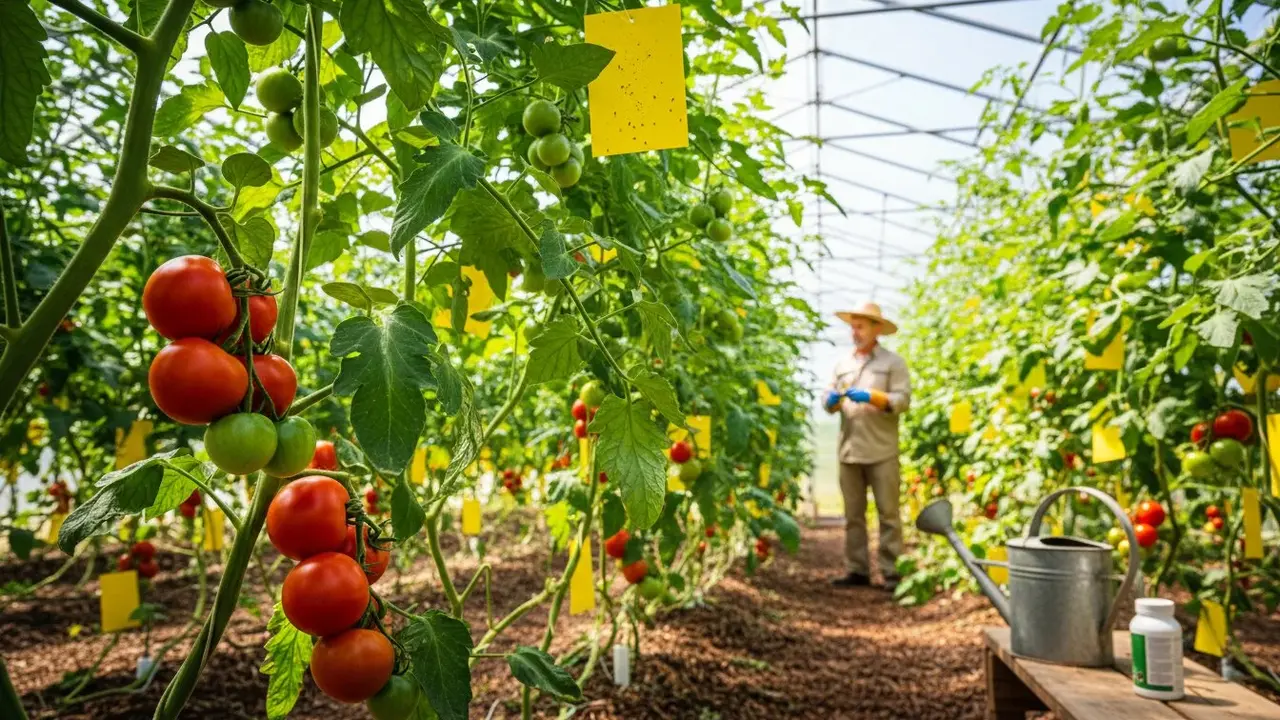
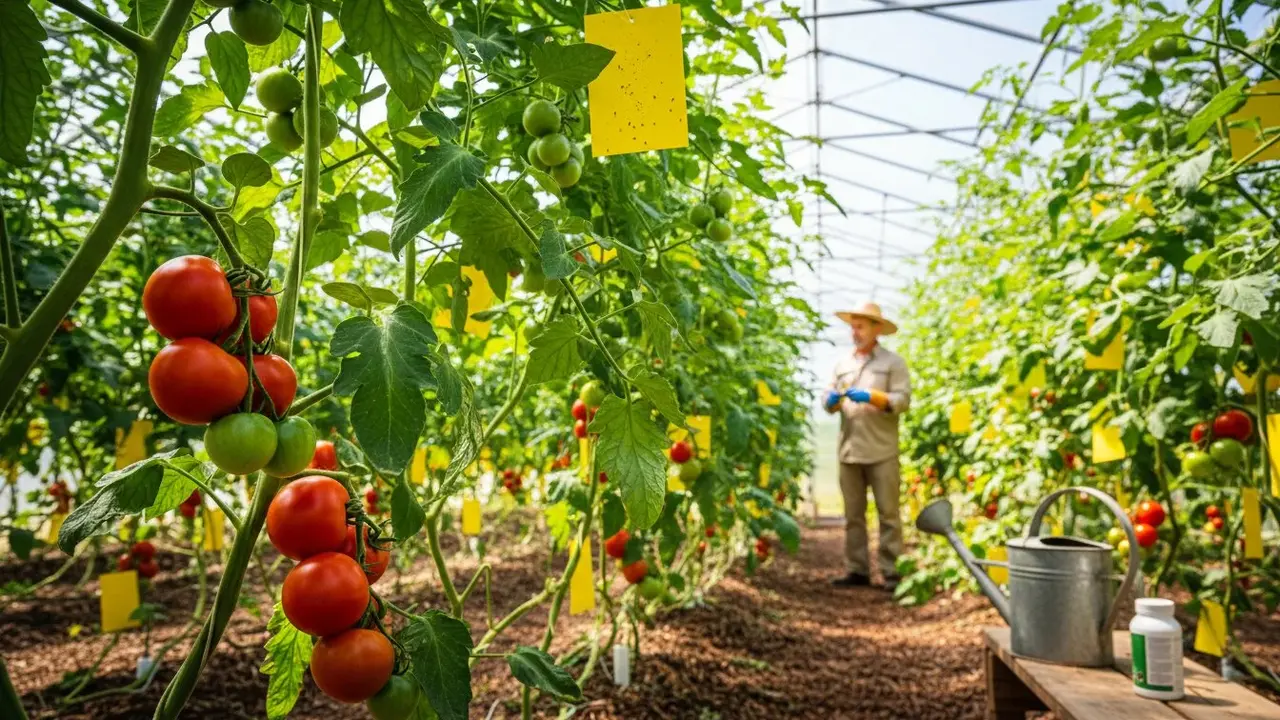
Like any crop, mustard plants can be affected by various pests and diseases if not properly controlled. Some risks include:
- Presence of aphids: These are insects that feed on sap and can weaken leaves and stems if not detected in time.
- Beetle attacks: These usually damage leaves and flowers, affecting the plant's development.
- Fungal diseases caused by excess moisture: This is the case with fungi, which appear when there is poor ventilation or excessive watering.
Prevention through environmental control is ideal. For example, good ventilation, moderate watering, and constant monitoring.
Best greenhouses for growing mustard plants
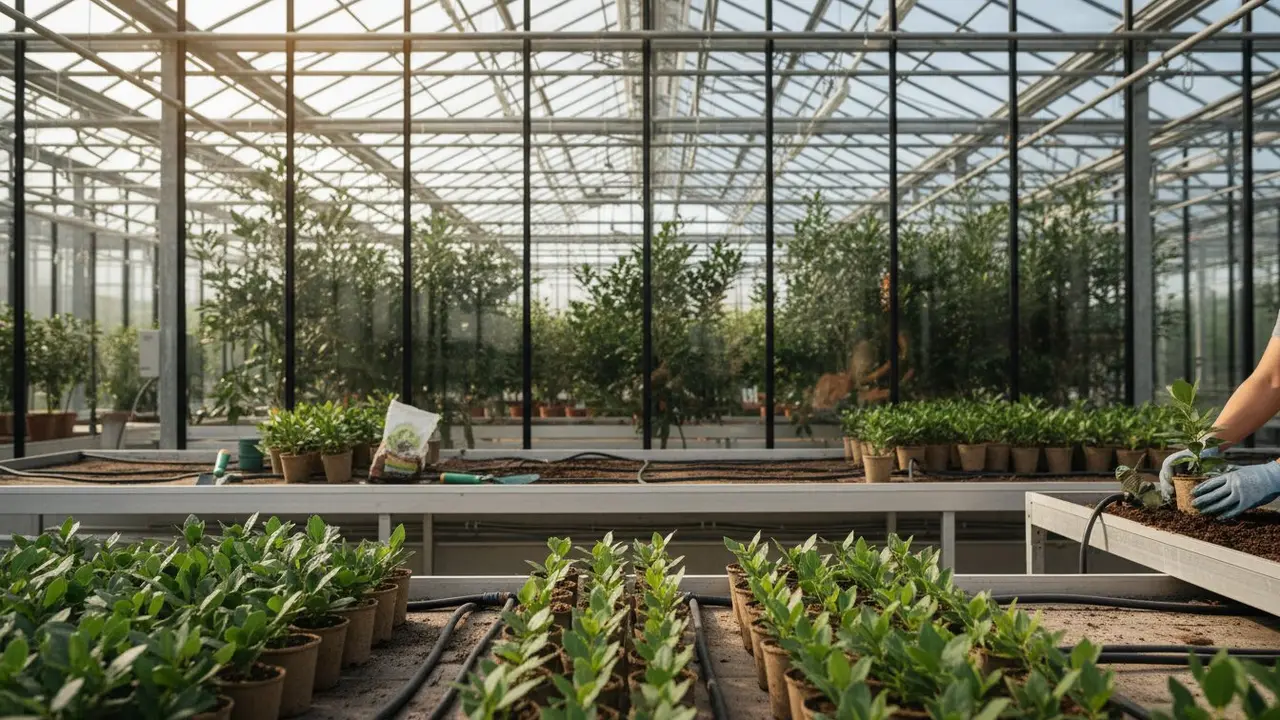
Choosing a greenhouse is a great option for mustard plants. With this, you can control key factors such as temperature and humidity. Ultimately, you will have more uniform growth, good quality leaves, and stable seeds.
At Fertri, we have several structures designed for various gardening and agricultural projects. Among the most notable models are:
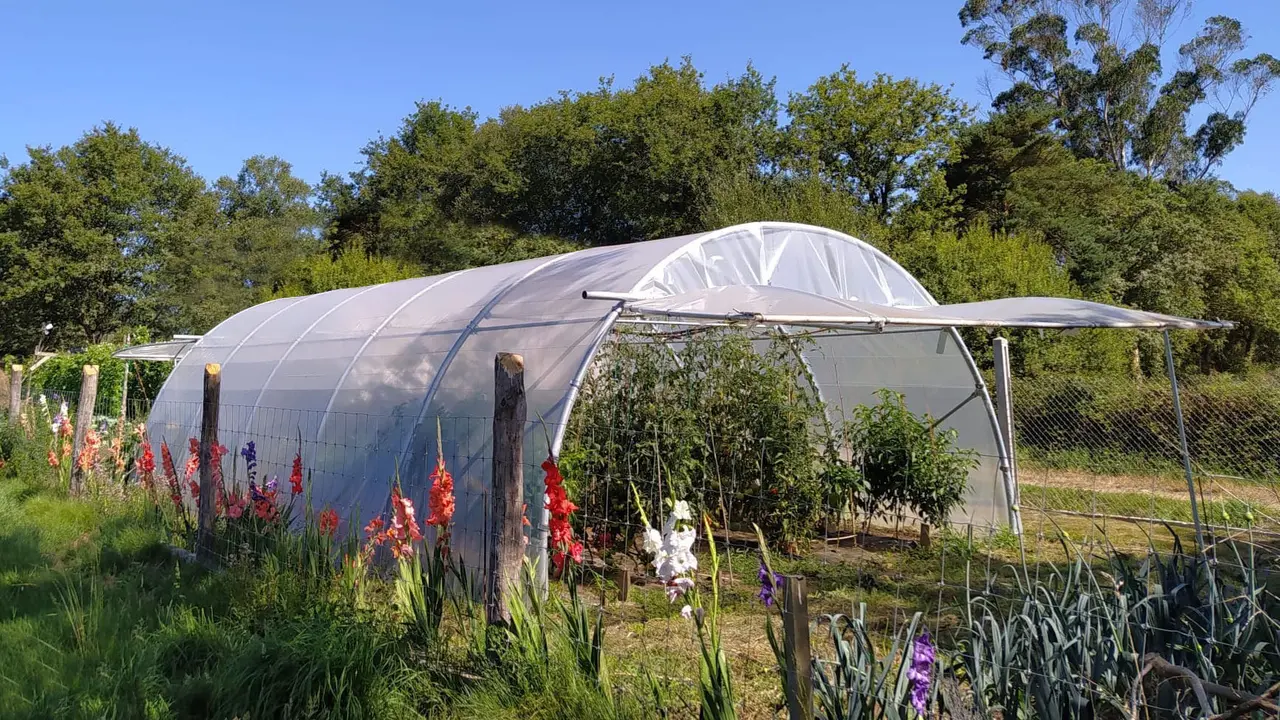
- The multitunnel greenhouse: It is ideal for larger-scale mustard cultivation, as it offers ample space, good ventilation and the possibility of automation for irrigation and climate control.
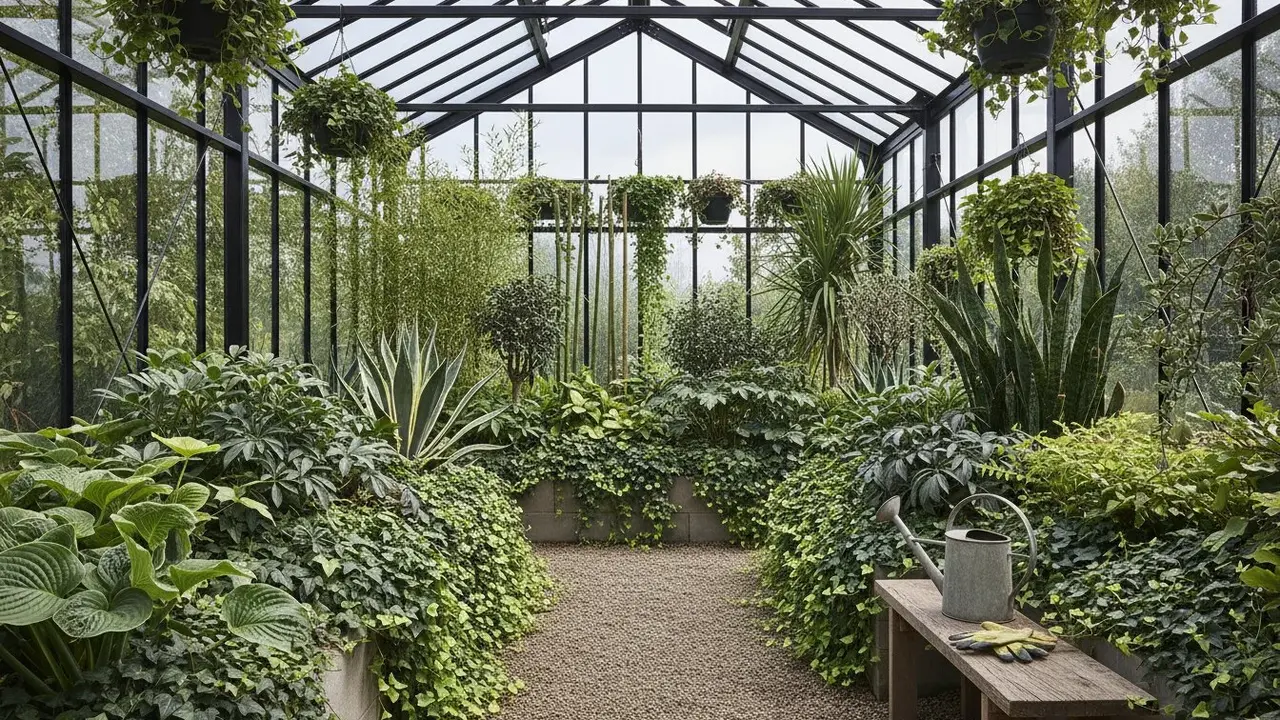
- The Gothic greenhouse: This stands out for its height and design, which facilitates better air circulation and optimal light entry. In addition, they are among the best when there is excessive humidity.
- The multi wide span greenhouse: This is considered a highly versatile solution for intensive cultivation. It allows stable environmental conditions to be maintained throughout the year, making it ideal for staggered sowing of mustard.
Please feel free to review each of the greenhouses and purchase the one that best suits your project. You can also contact us for more information.