How to grow chickpeas? Guide to planting, care and recommendations
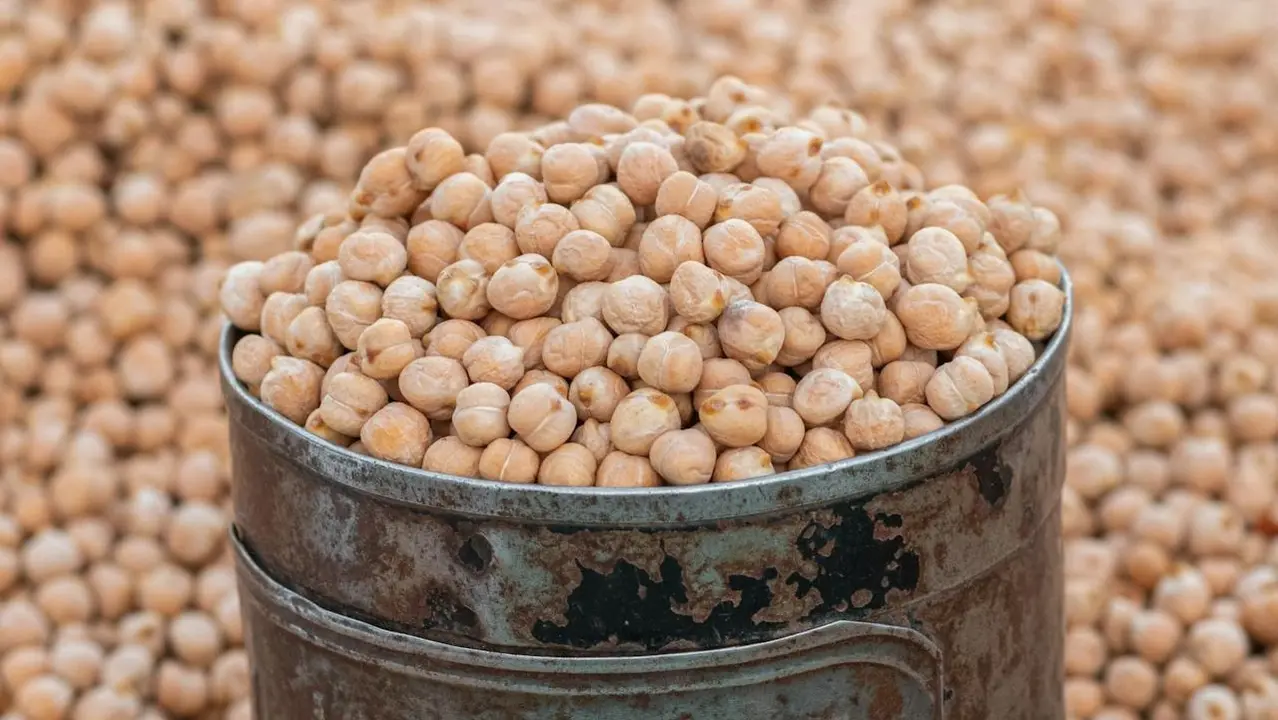
Would you like to grow chickpeas? This is very common in many places, as you can find them in home gardens and professional farms. They are a hardy legume with high nutritional value, so growing them will only bring benefits.
In addition, chickpea cultivation can be improved when it is well planned and structures are used to maximise space. Some examples are greenhouses, such as: multitunnel greenhouse, gothic greenhouse or a multi wide span greenhouse. These are sought after for areas with variable climates.
If you would like to understand more, we invite you to continue reading. The aim is for you to learn more about chickpeas, how to grow them, and even how to choose the best place for them.
- What are chickpeas?
- Information you should know about growing chickpeas
- What types of chickpeas can be grown?
- How to grow chickpeas step by step?
- Where can chickpeas be grown?
- Requirements and recommendations for growing chickpeas
- How do chickpeas grow?
- When are chickpeas grown?
- Best greenhouses for growing chickpeas
What are chickpeas?
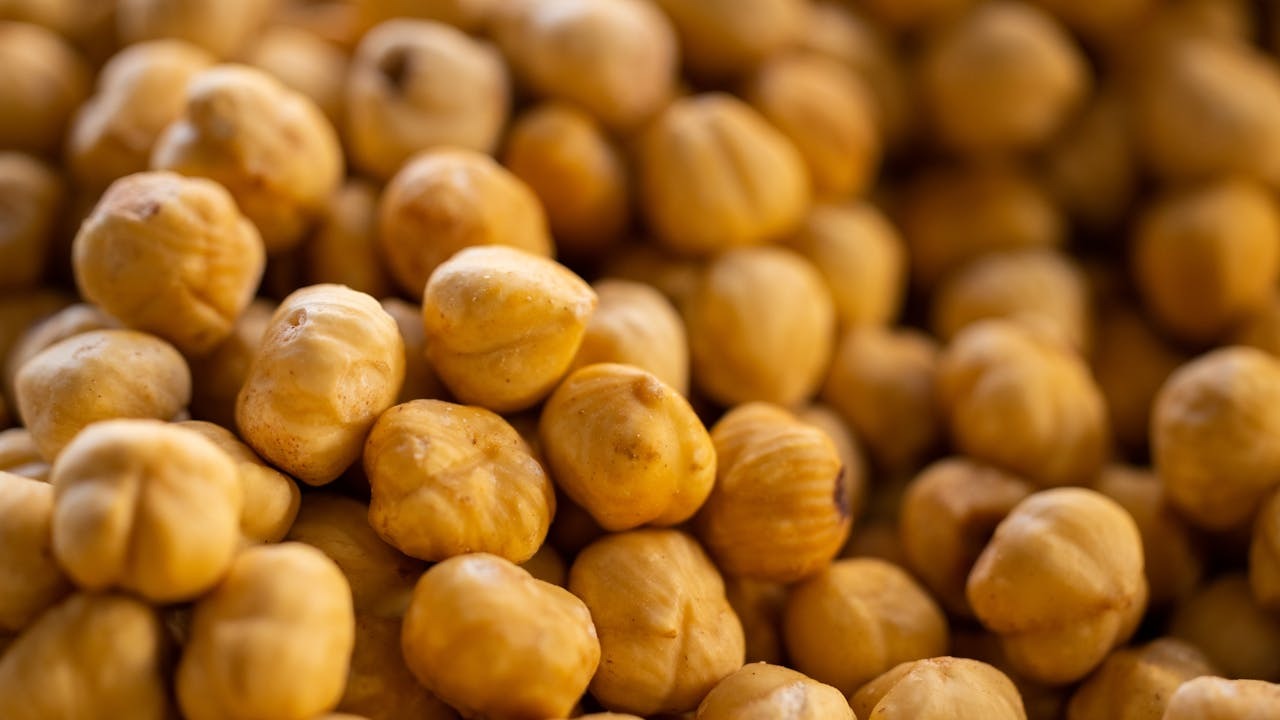
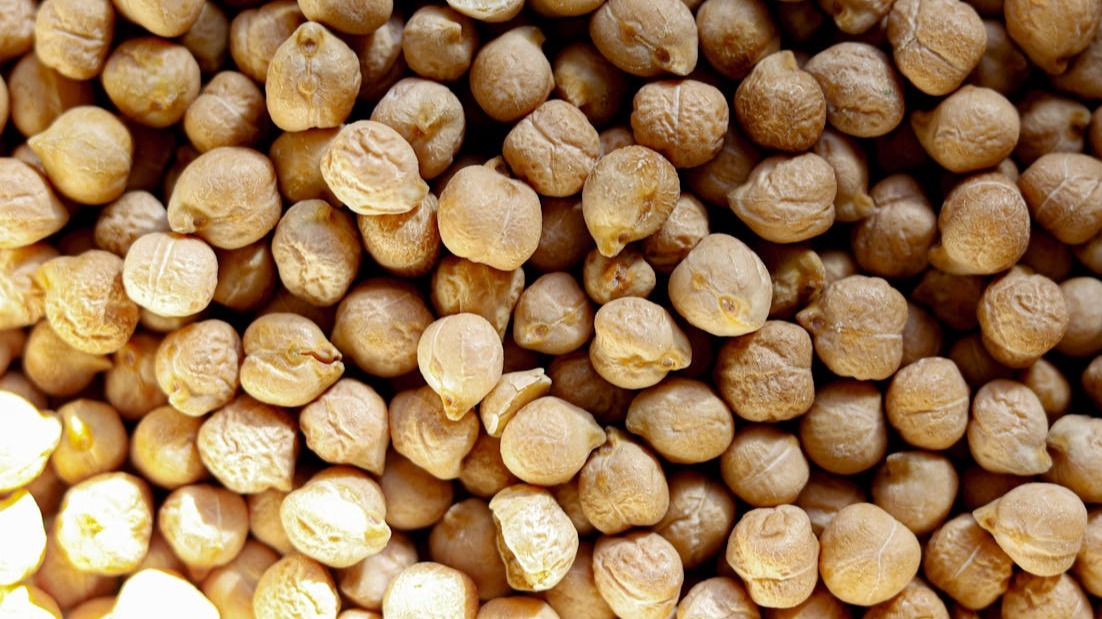
Chickpeas are edible seeds that come from the Cicer arietinum plant. It is an annual legume that has been cultivated for thousands of years in many regions. They are famous for their high content of protein, fibre, and minerals. The latter makes them an essential food in many diets.
On the other hand, from an agricultural point of view, chickpeas are very interesting because when they are grown, they fix nitrogen in the soil, which improves its structure when growing cereals or vegetables.
Information you should know about growing chickpeas
Before growing chickpeas, it is a good idea to bear the following information in mind:
- The right climate: Chickpeas grow best in temperate, dry climates with good sun exposure.
- Temperature: The ideal temperature is between 20 and 30 °C.
- Sensitivity to excess water: It is important to remember that waterlogging is one of its main enemies.
- Crop cycle: This usually lasts between 3 and 5 months, depending on the variety and environmental conditions.
What types of chickpeas can be grown?
There are different types of chickpeas that are suited to different areas and uses. Choosing the right type will depend on the climate, the target market, and the cultivation system.
- Kabuli chickpeas: These are large, light-coloured and round in shape. They are the most common type in Europe and for domestic consumption.
- Desi chickpeas: These are smaller, with dark skin and a firm texture. They are mainly grown in Asia and drier areas.
- Local or improved varieties: These are developed to better resist disease, drought, or certain soil conditions.
How to grow chickpeas step by step?
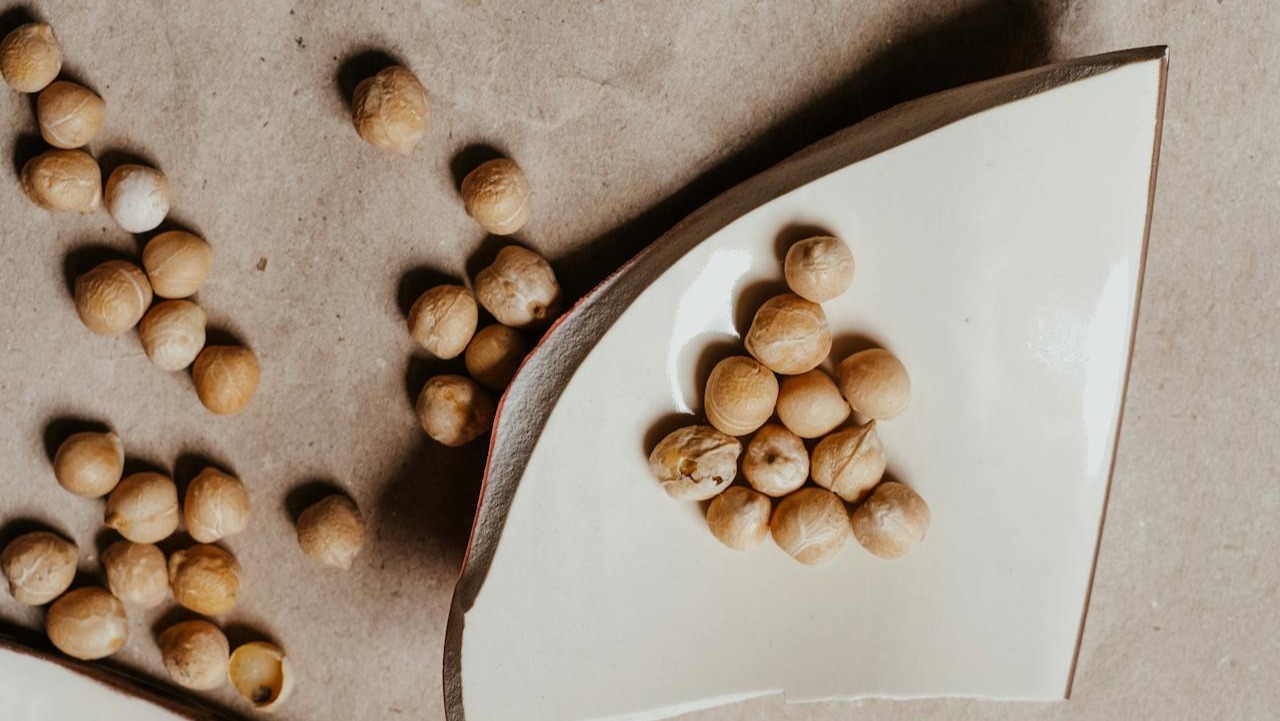
To grow chickpeas, you must follow several essential steps. Here we explain them to you:
- Preparing the ground: Start by clearing the ground of weeds and turning the soil to improve aeration.
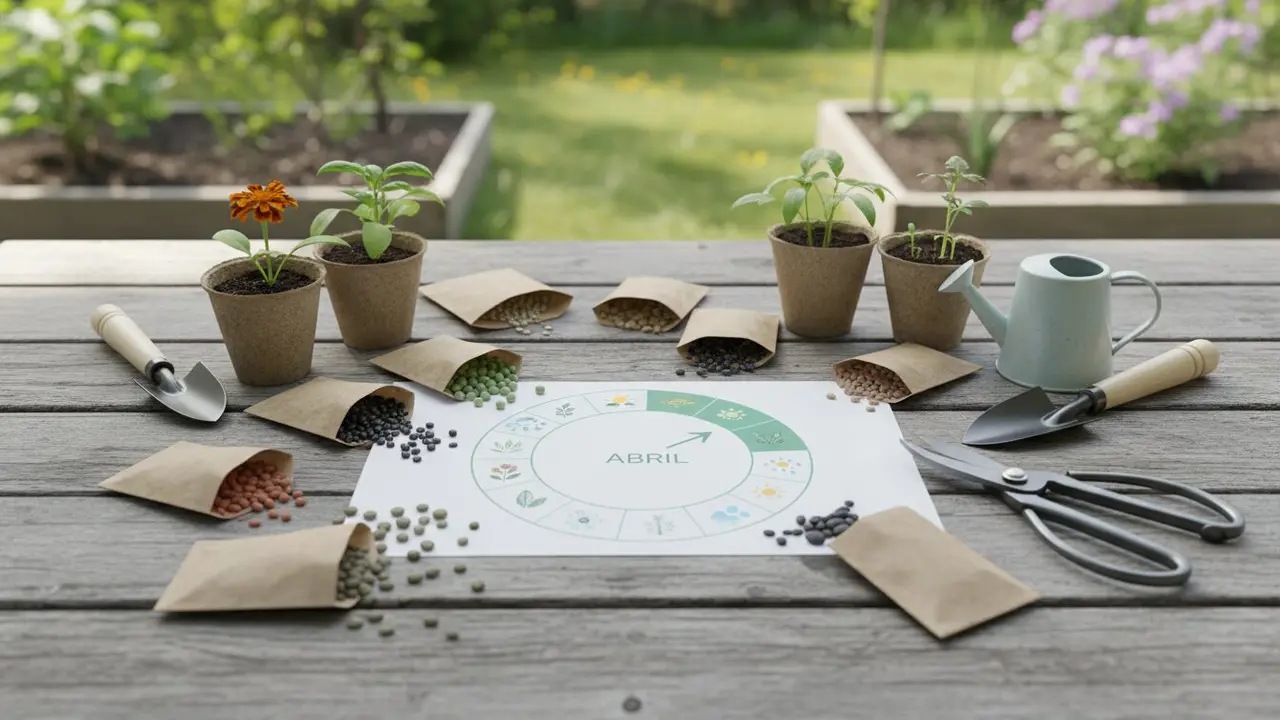
- Seed selection: You should use healthy, certified seeds to ensure good germination.
- Sowing: Place the seeds at a moderate depth and leave sufficient space between plants.
- First watering: Water lightly after sowing if the soil is dry.
- Crop monitoring: Check for weeds and review the condition of the plants.
- Harvest: This is done when the plants dry out and the pods are fully ripe.
Where can chickpeas be grown?
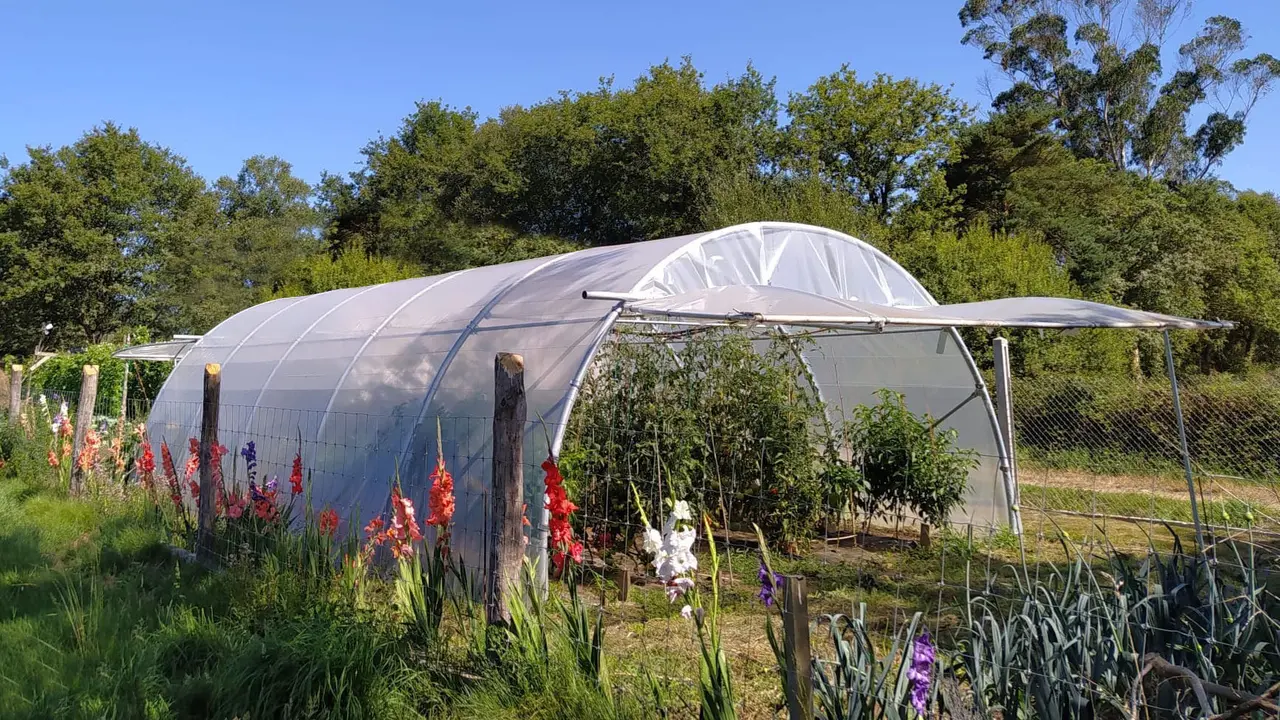
Chickpeas are usually grown in many different places, such as vegetable gardens, agricultural plots, large farms and even inside greenhouses. However, they are best suited to dry areas, provided that the soil is well drained and the climate is not too humid.
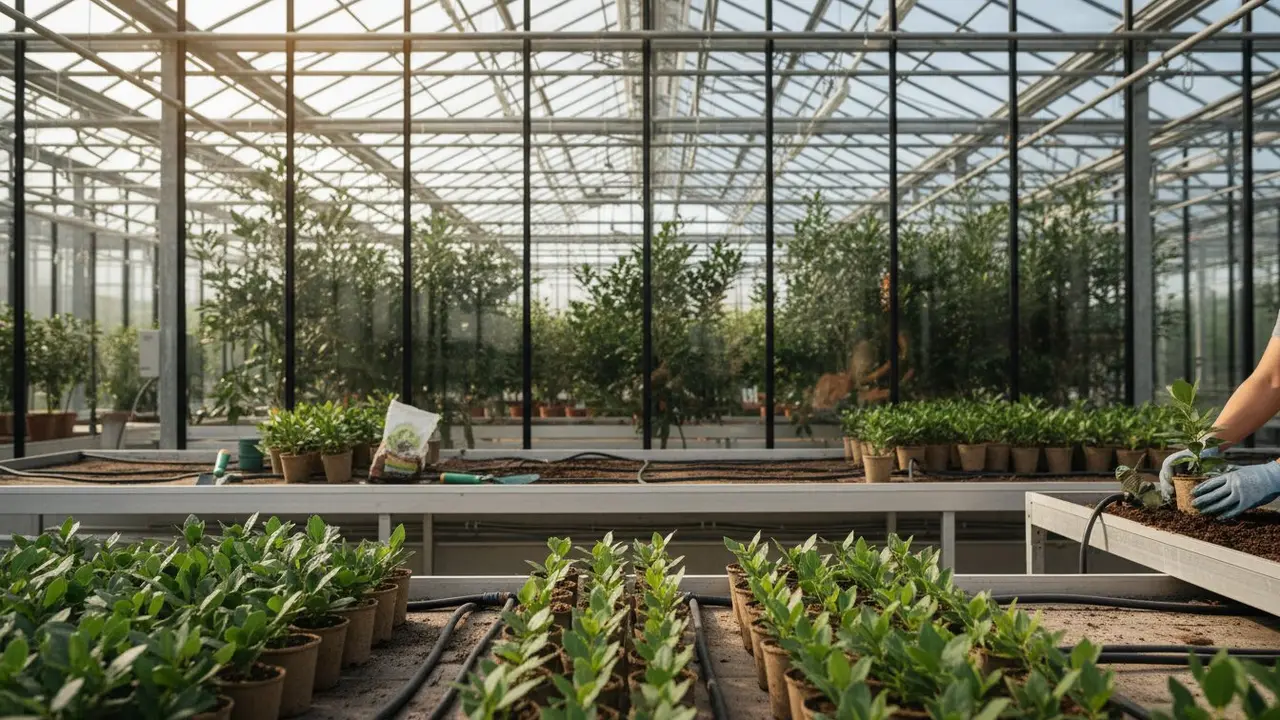
If you choose greenhouses, which are protected areas, this is good for the earliest stages, as germination is improved and the young plant does not suffer sudden changes in temperature.
Requirements and recommendations for growing chickpeas
In addition to all of the above, we will give you some recommendations for growing chickpeas to ensure that the process is a success.
Irrigation
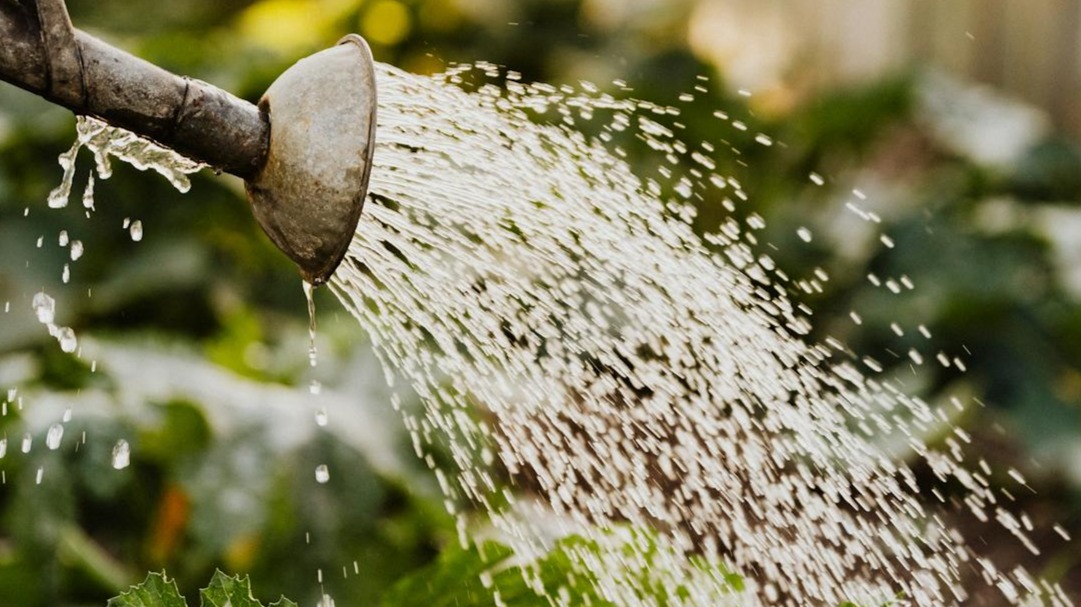
Always remember that chickpeas require moderate watering. It is important to keep the soil slightly moist during germination and flowering. You should always avoid overwatering, as this can cause root diseases.
Soil and fertilisation
This type of crop prefers loose, well-drained soil with a neutral or slightly acidic pH. It does not need much fertiliser, as it naturally fixes nitrogen. Some choose to add just a little phosphorus and potassium.
Pests and diseases
This crop is hardy, but it can be affected by common fungi and pests. It needs to be rotated to allow air to circulate and prevent problems.
Pruning
Finally, remember that chickpeas do not need pruning. However, it is advisable to remove damaged or diseased plants to prevent problems from spreading.
How do chickpeas grow?
Chickpeas grow from the moment the seed begins to germinate. The process is as follows:
- Seed germination
- Stem and leaf development
- Appearance of flowers and pods where the grains form
It is considered a relatively rapid process if conditions are favourable. Development is usually uniform when the soil and irrigation are well controlled.
When are chickpeas grown?
Chickpeas are most commonly grown in spring, when there is no longer any risk of frost. In warm areas, planting can be done a little earlier, but in colder regions it is best to wait until the soil is at the right temperature.
It is necessary to choose the optimal time so that the seeds can develop without any problems.
Best greenhouses for growing chickpeas
If you want to grow chickpeas on large areas but don't know how to protect them, you should choose a good greenhouse. This will ensure that they have the right conditions regardless of the time of year.
At FERTRI, we have several models that help you control temperature, humidity, and other growing factors. Specifically, we would like to mention these designs:
- multitunnel greenhouse: This is a highly recommended option if you want to cover large areas while controlling all conditions and promoting uniform growth.
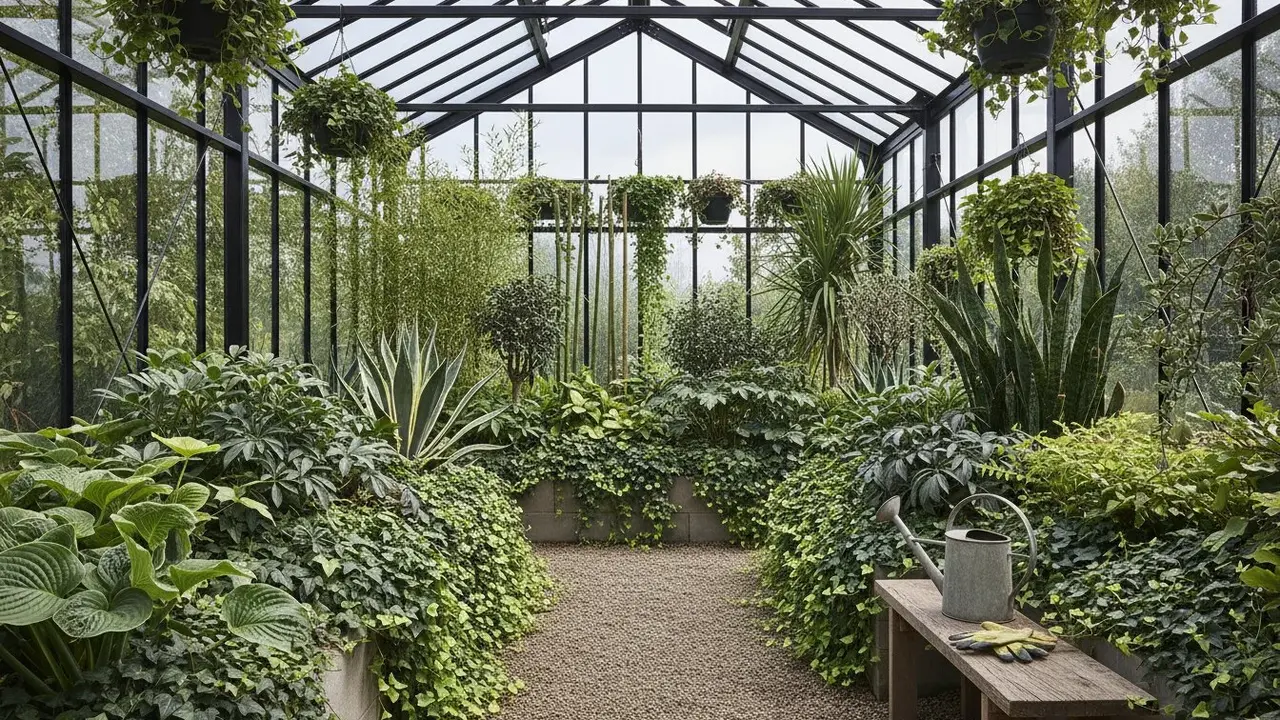
- Gothic greenhouse: These are usually notable for their very sturdy structure and great capacity to evacuate moisture. This is essential if you are working with crops that do not like excess water.
- multi wide span greenhouse: This offers plenty of space and versatility. It is ideal for crops that require stability and will work very well with chickpeas.
For any further information, please do not hesitate to contact us. We can advise you on purchasing the most suitable greenhouse for your project.