How to grow soybeans? How should they be sown and harvested?
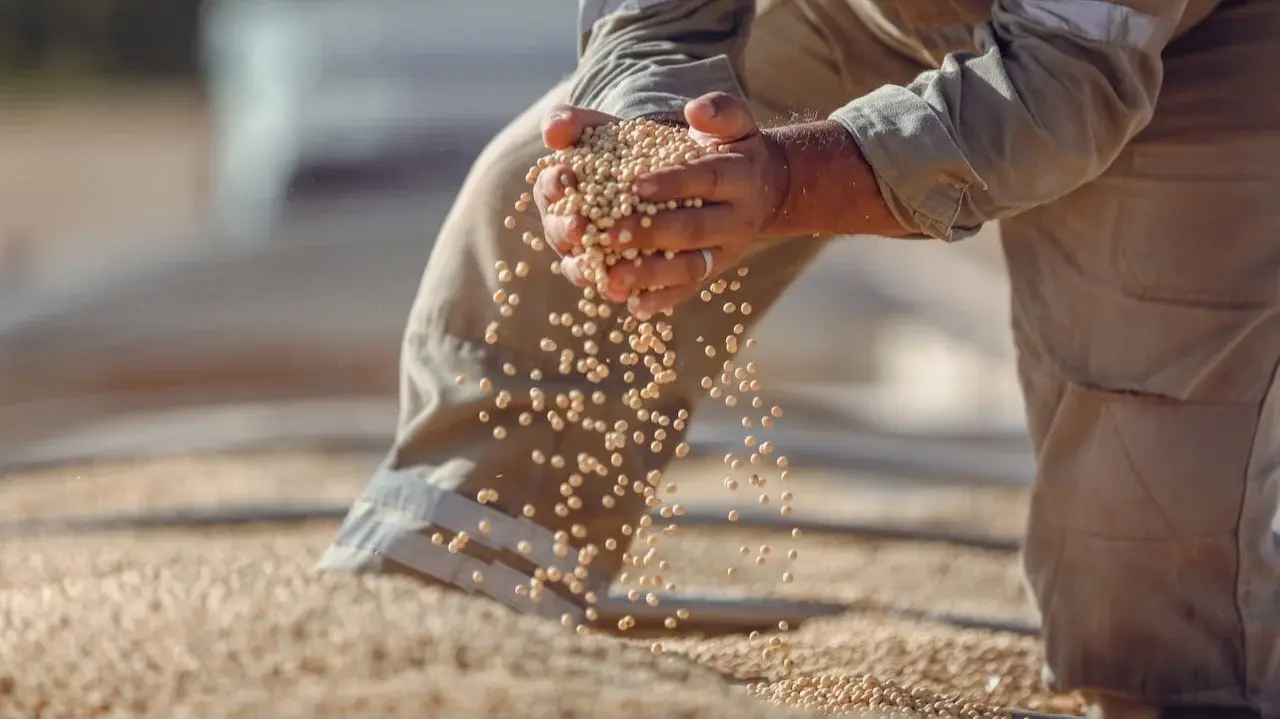
Soybean cultivation is considered highly valuable in the agricultural world, as it has a high nutritional content and is versatile on an industrial level. In addition, it is a very important legume for human and animal nutrition, as it is notable for its high protein and vegetable oil content.
In this regard, it is common for everyone to want to learn how to grow soybeans in different spaces. They can even have excellent yields in greenhouses, such as the multitunnel greenhouse, gothic greenhouse or multi wide span greenhouse. Crops grow well in these structures, although it is necessary to learn about them.
Throughout this article, we will explain everything you need to know about soybeans and the steps to grow them. It is essential that you know how to sow, care for, and harvest them properly.
- What is soy?
- How to grow soybeans step by step?
- Ideal conditions for soybean cultivation
- When are soybeans planted?
- How long does it take for soybeans to grow?
- Recommendations for avoiding threats to soybean cultivation
- Best greenhouses for growing soybeans
What is soy?
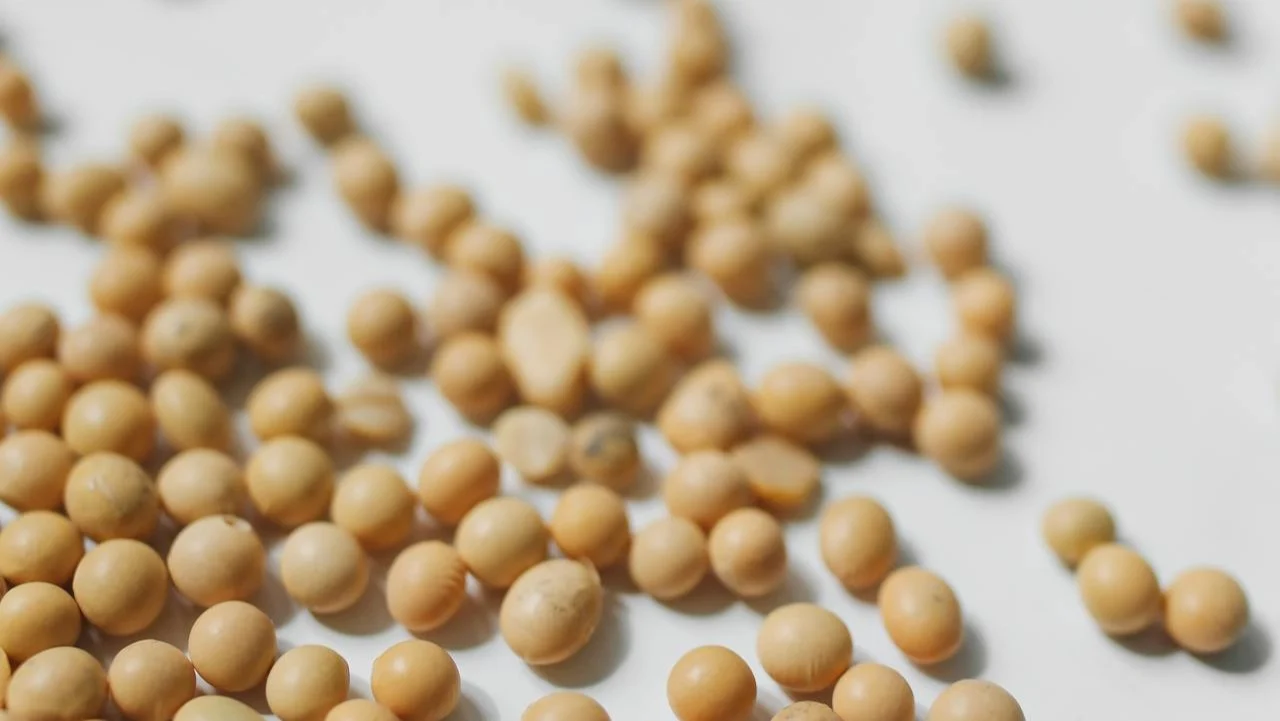
Soybeans have the scientific name "Glycine max" and are legumes native to Asia. They are very popular because they are high in protein, vegetable oils, and amino acids. This makes them one of the most important crops worldwide.
On the other hand, in addition to its nutritional value, soybeans are important in agronomy because they improve soil fertility by fixing atmospheric nitrogen. They are commonly used in crop rotations to improve soil quality.
How to grow soybeans step by step?
In order to achieve a successful soybean crop, you must follow several essential steps. Here we will explain the most important processes.
Sowing
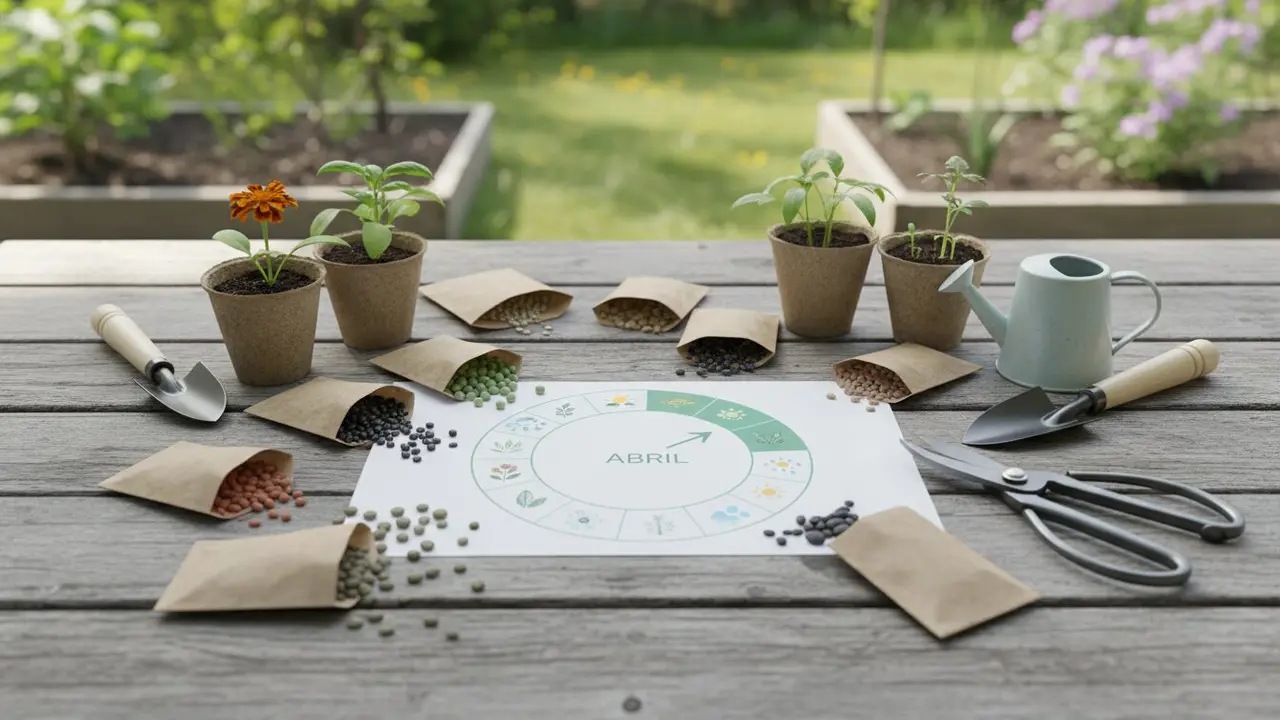
It all starts with the sowing stage, where you must have certified soybean seeds that are suited to the area where you will be growing them. It is vital that the soil is at the right temperature to encourage germination and that it is loose.
Similarly, the planting depth should be shallow. The correct plant density is also important to avoid excessive competition for nutrients in the space. The balance of the entire crop must be ensured.
Weed control
Soybean cultivation is not limited to sowing. You must control weeds effectively during the early stages. Soybeans are very sensitive to weeds, and measures must be taken to prevent yield losses.
You can also control weeds using mechanical techniques, soil management, or responsible use of herbicides. Always take into account the condition of the crop and the conditions of the space.
Inoculation
Inoculation involves applying specific bacteria that enable the plant to fix nitrogen from the air. This is a very important process in soils where soybeans have not been grown before.
If the inoculation is done correctly, the following is achieved:
- Improved plant vigour.
- The need for nitrogen fertilisers is reduced.
- Farming is becoming more sustainable.
Harvest
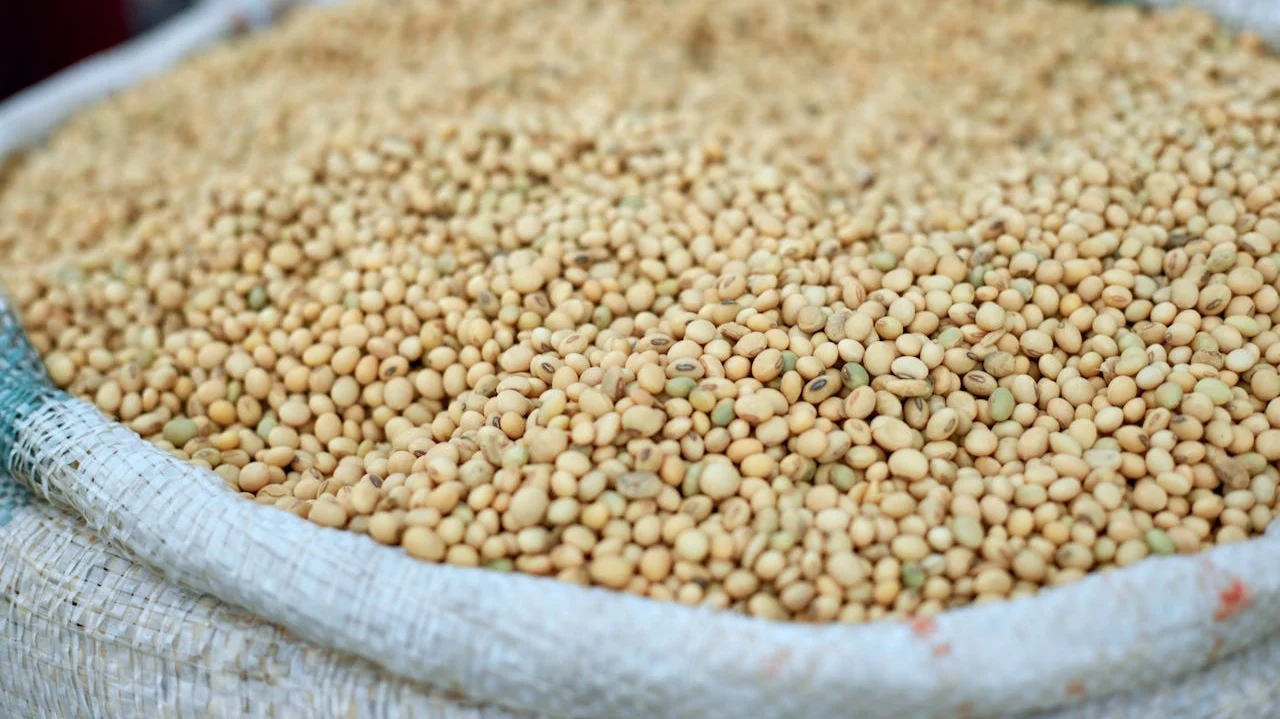
When considering growing soybeans, we must also discuss harvesting. This is done when the pods have reached maturity and the grain has the right moisture content. If done too early or too late, you will incur losses because the grain will be broken or excessively moist.
On the other hand, if you are going to use machinery, it is vital to adjust and carry out preliminary checks so that harvesting is efficient and causes little damage to the grain.
Ideal conditions for soybean cultivation
We have already discussed the stages that a soybean crop must go through, and now we must specify the conditions that you have to provide so that everything goes well.
Weather conditions
When you are going to grow soybeans, you must consider the climate conditions because they require moderate temperatures and good sunlight. It is a frost-sensitive crop, and you should avoid planting it at times and in places where there is a risk of frost.
If the climate is favourable, growth will be uniform and plant stress will be reduced during the early stages of flowering or grain filling.
Soil conditions
The ideal soils for growing soybeans should be:
- Deep (even if planted superficially)
- Well drained
- Well-structured
In addition, it must have a balanced pH to facilitate nutrient absorption and proper root system development.
When are soybeans planted?
Soybeans are usually sown in spring, when the soil has reached the minimum temperature required for good germination. However, the exact timing will depend on the geographical area and climatic conditions.
It is advisable to choose the date and location carefully in order to reduce risks and make the most of the crop's growing cycle.
How long does it take for soybeans to grow?
The soybean cultivation cycle varies depending on the variety and conditions. However, it is usually between 100 and 150 days. During this time, the plant goes through well-defined phases of vegetative and reproductive growth.
If each stage is managed well, successful development and good yield at harvest time will be achieved.
Recommendations for avoiding threats to soybean cultivation
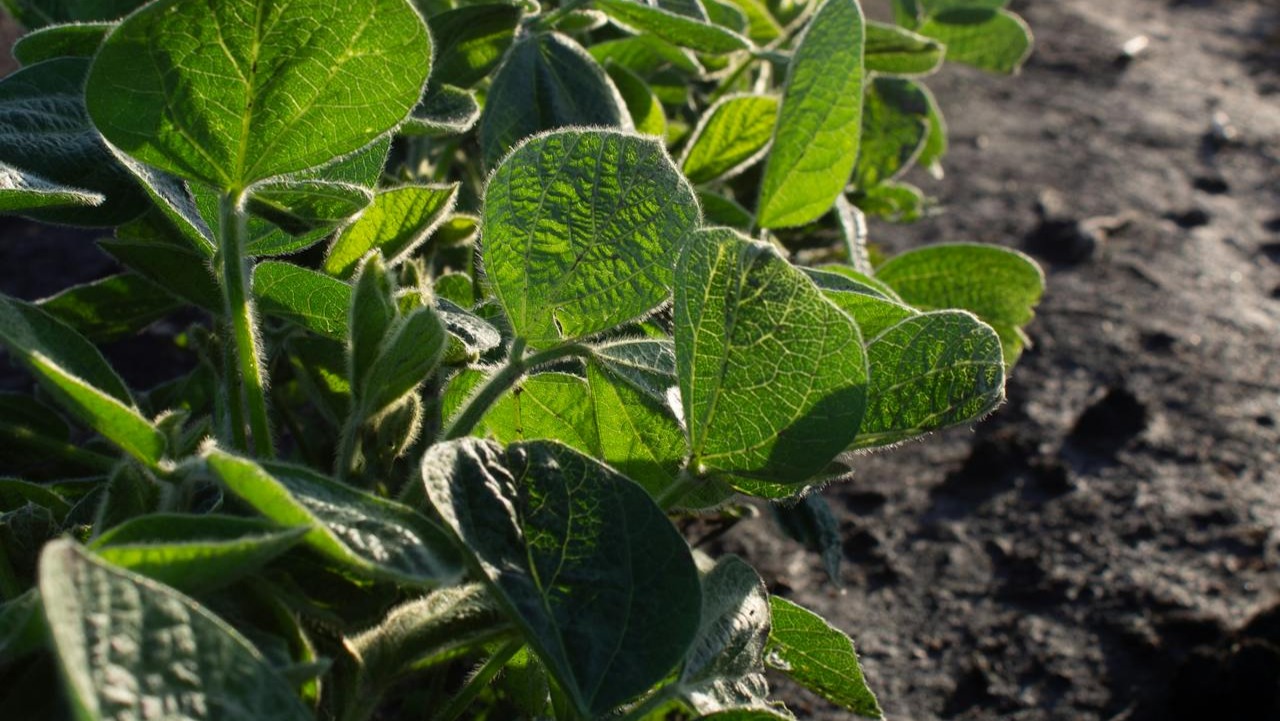
Diseases and pests are the worst things that can happen to a crop. That is why we will give you some recommendations to avoid these threats.
Pests and insects
There are many pests that can affect the leaves, pods, and beans of soybeans. Constant vigilance is required to detect any infestation early and take preventive action.
Ideally, you should have an integrated pest management system to help reduce the impact without compromising the balance of the agricultural ecosystem.
Common illnesses
In the case of diseases, the most common are fungal and bacterial. These appear when there is excess moisture or a lack of crop rotation. The ideal solution is to manage irrigation and use resistant varieties.
Remember that prevention is essential to avoid significant crop losses.
Best greenhouses for growing soybeans
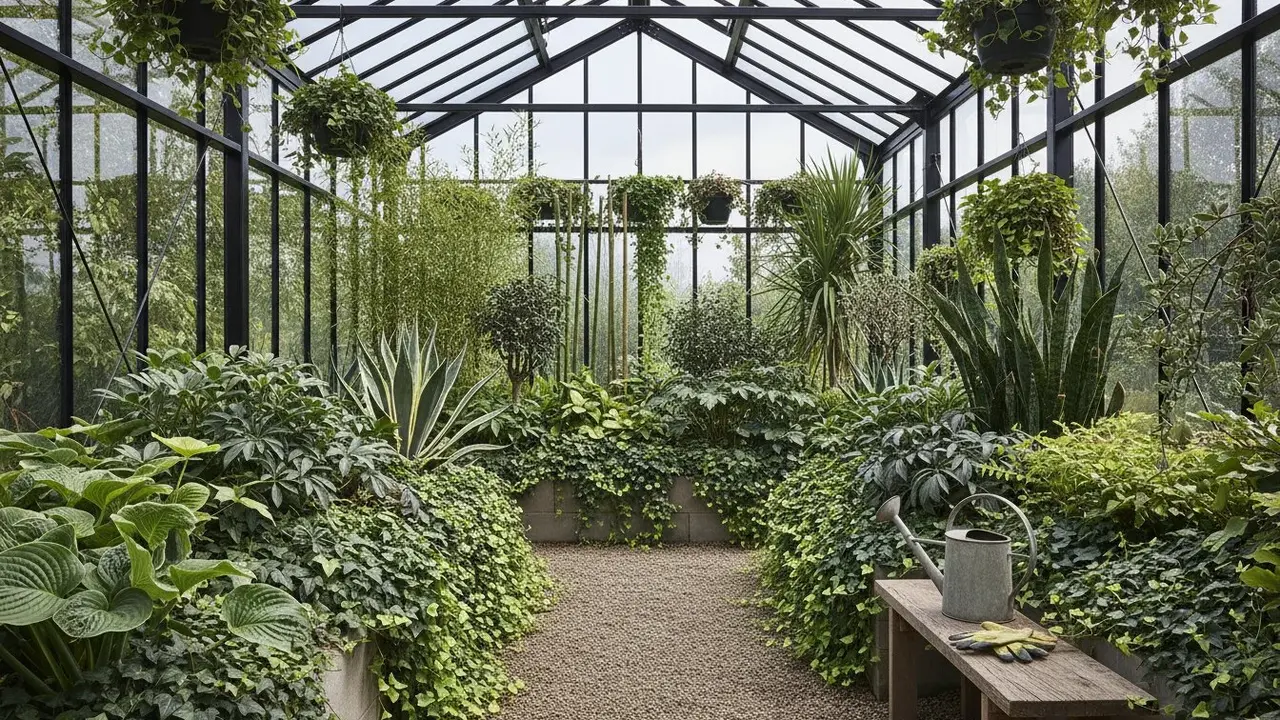
It is possible to grow soybeans successfully in greenhouses, and in many cases it is even recommended because it allows you to control all the conditions.
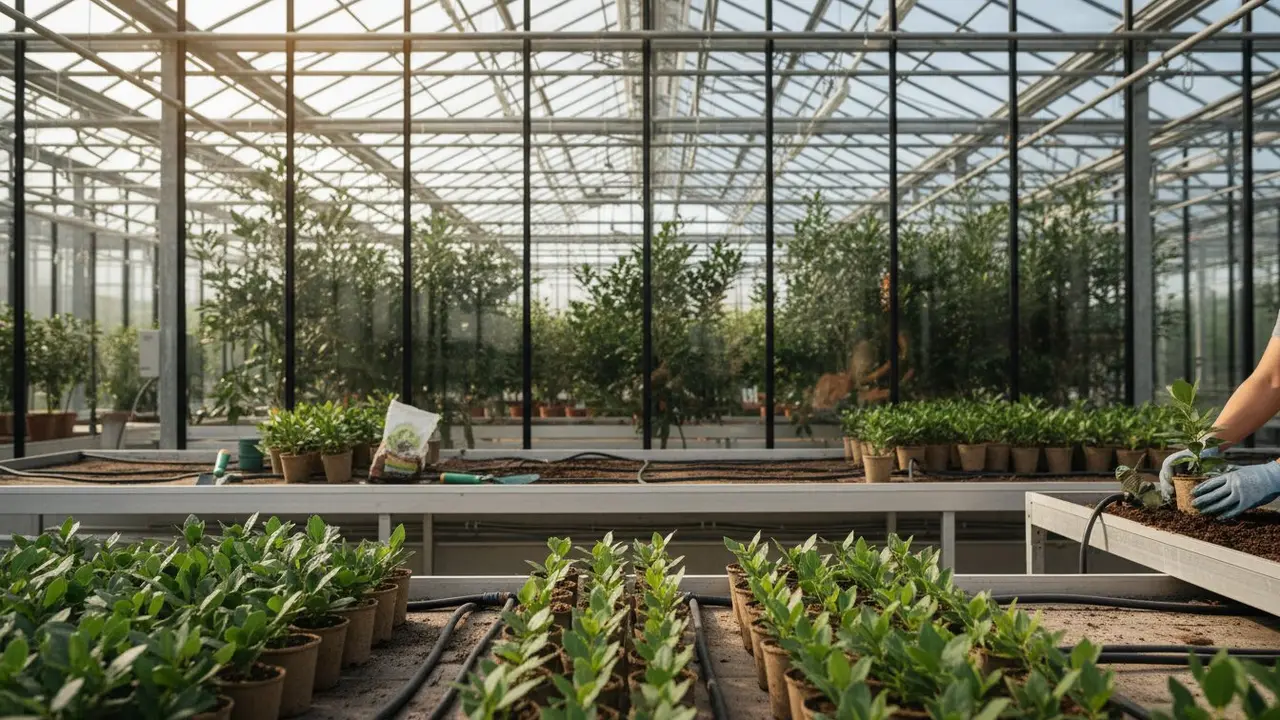
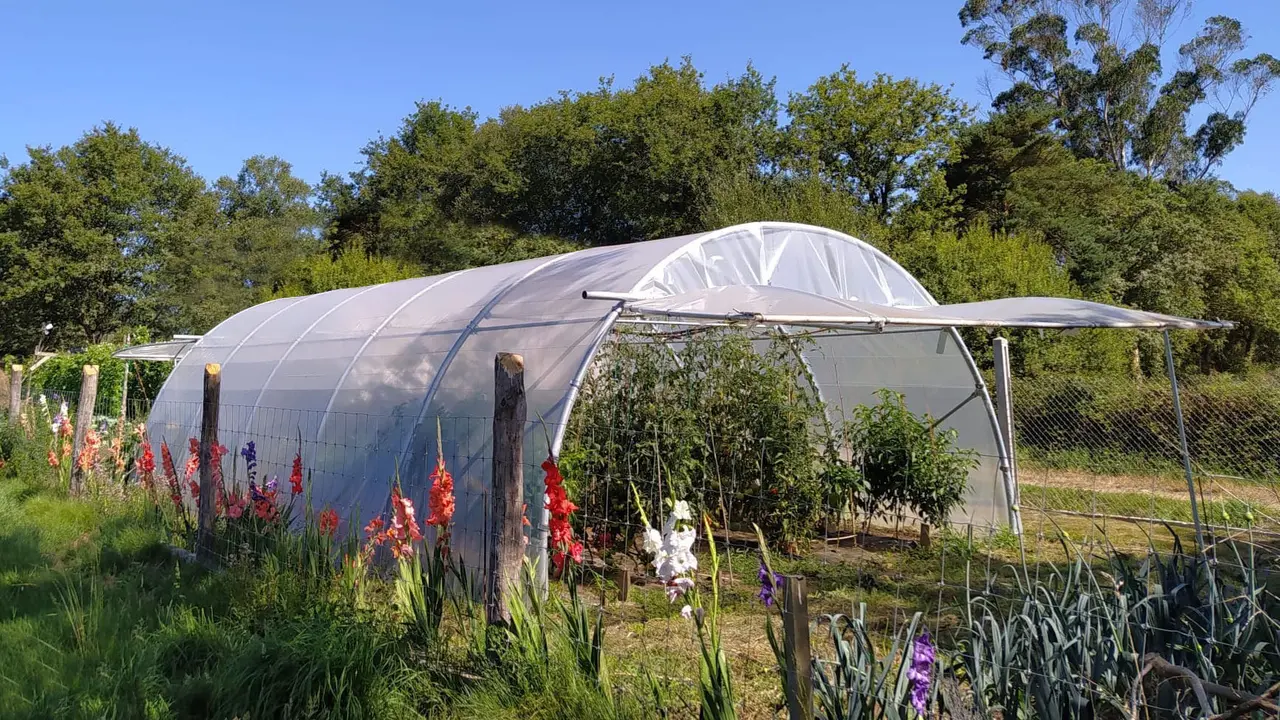
With a greenhouse, you can regulate the temperature and humidity and protect any crop regardless of the time of year. At Fertri, we have several models that are ideal for soybeans, such as the multitunnel greenhouse, the Gothic greenhouse, or the multi-chapel greenhouse. gothic greenhouse or the multi wide span greenhouse.
With these structures, you can have:
- A stable environment for any type of crop, including soybeans.
- Avoid excess moisture
- Protect the entire crop from extreme weather conditions.
- Organise the space with the appropriate soil and nutrients.
We invite you to review each model so you can choose the one that best suits your project. And if you have any other questions, you can contact us and we will advise you.