How to plant green beans step by step? Tips and recommendations
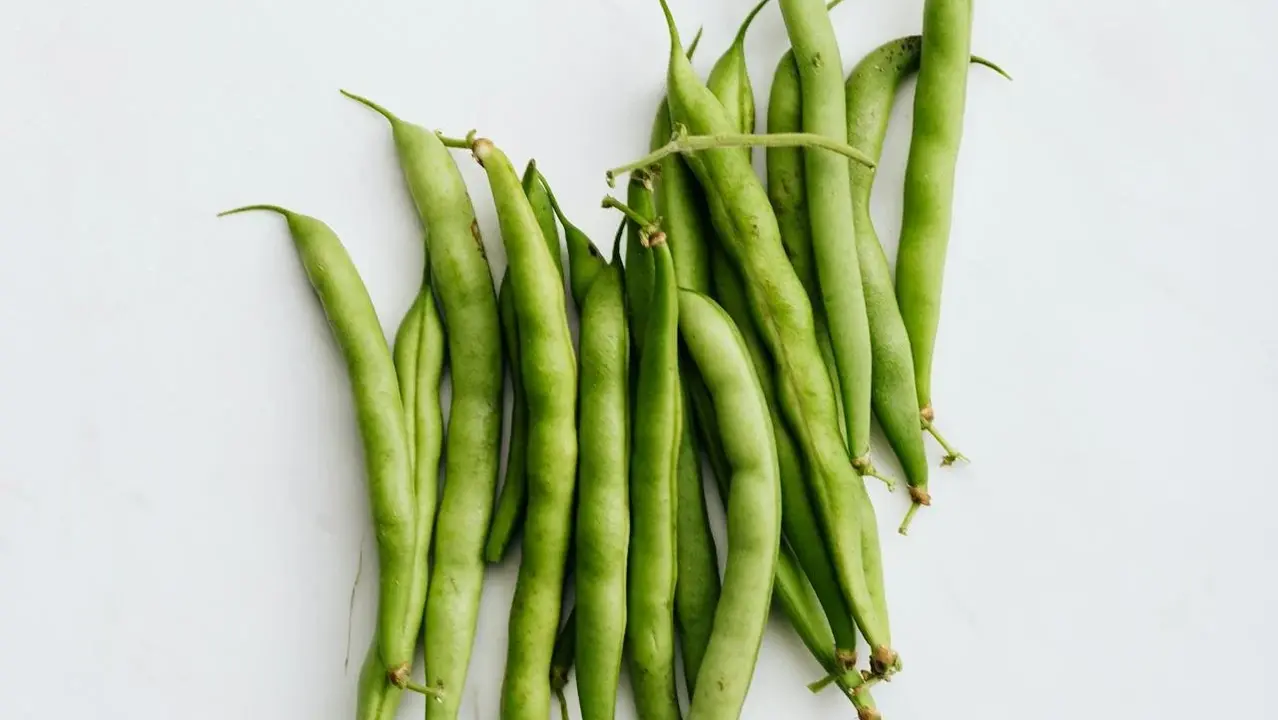
Planting green beans is a great option if you want to have a healthy food crop. Here we explain all the steps and tips.
You can learn how to plant green beans very quickly, as it is a simple process and in return you get a very nutritious food. They are legumes that adapt to different climates, although many people start growing them when spring approaches.
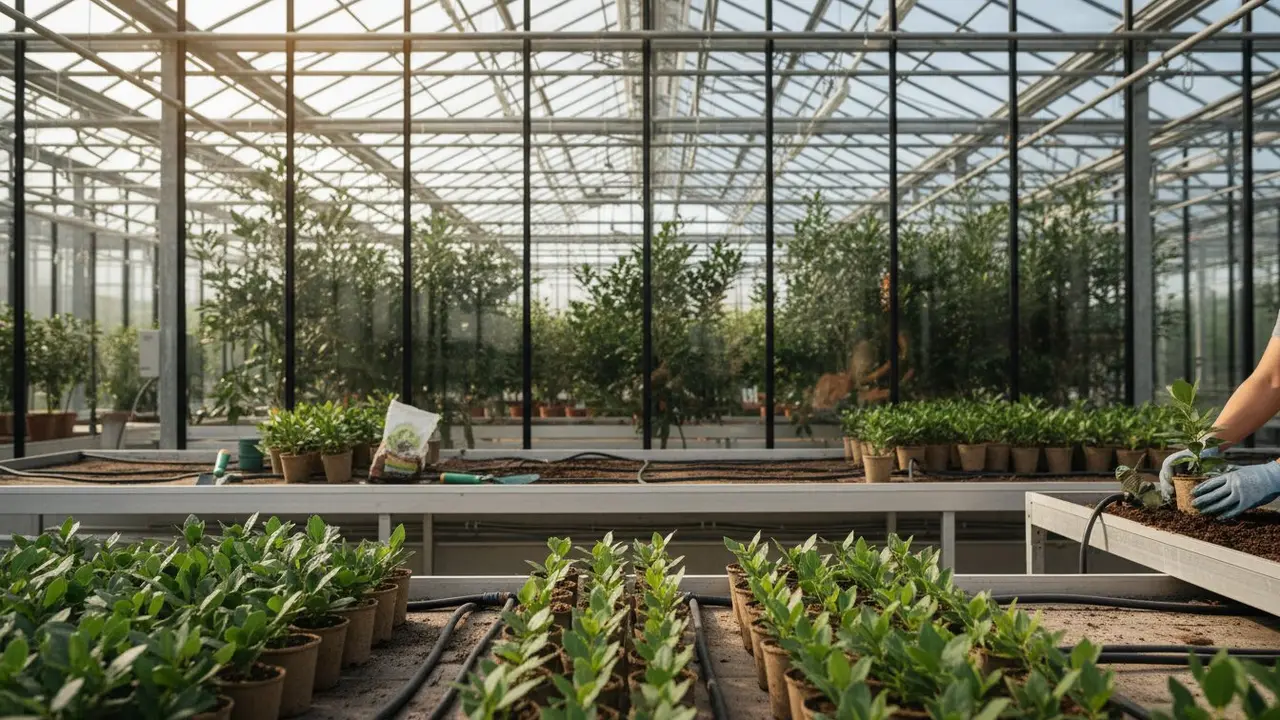
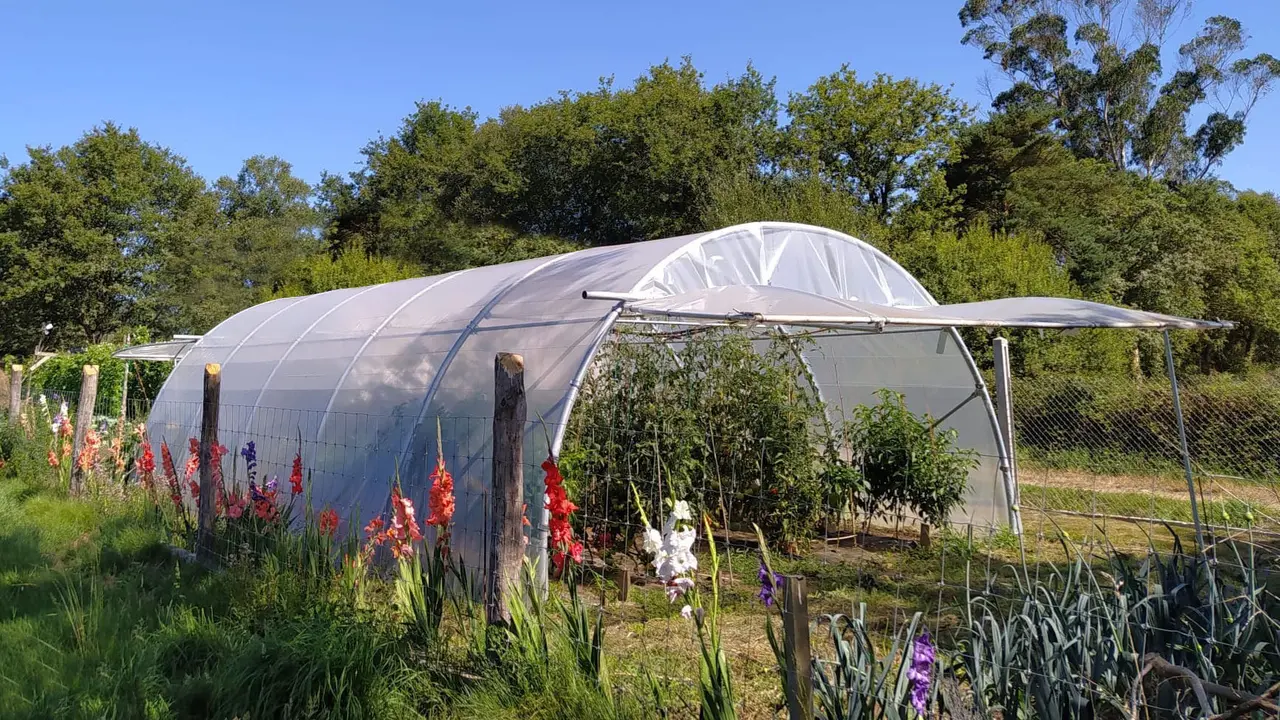
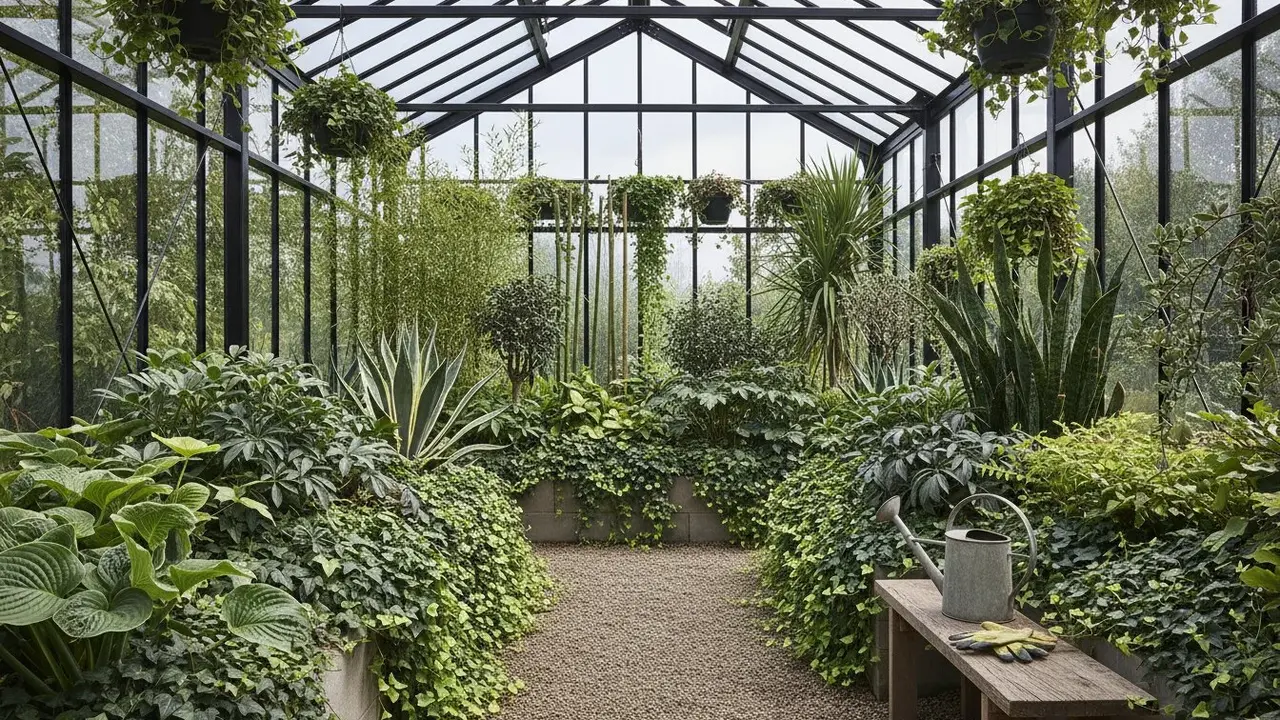
On the other hand, they can be grown in traditional gardens and in protected areas. Some alternatives are greenhouses, such as a multitunnel greenhouse, a gothic greenhouse or even a MultiWideSpan greenhouse. But, before choosing any of them, we invite you to read on to learn more about planting beans.
- What are green beans?
- Benefits of green beans
- Types of green beans
- When are green beans sown?
- How to sow green beans step by step?
- Pests and diseases that can affect green beans
- How to care for green beans
- When are green beans harvested?
What are green beans?
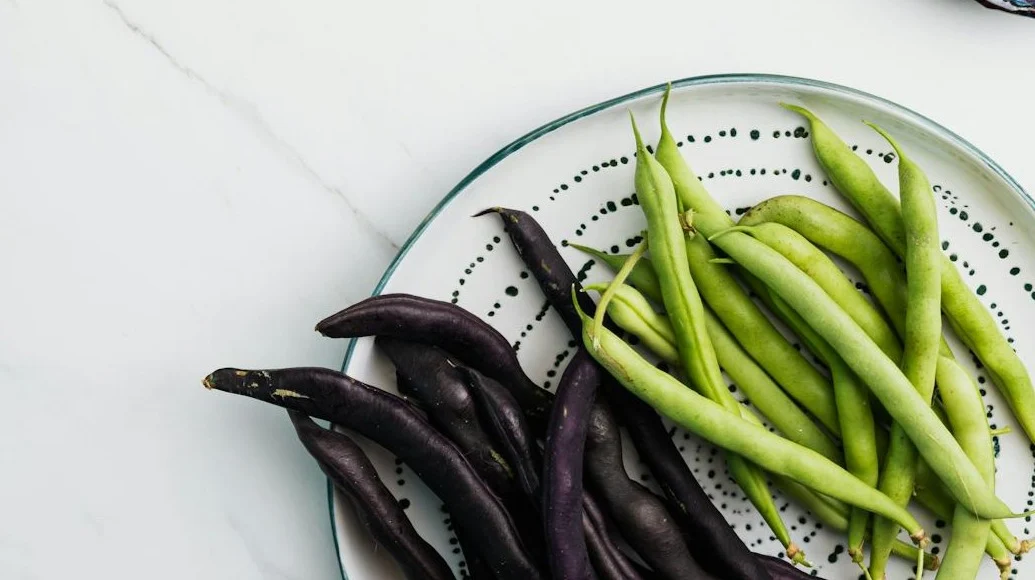
Before we go planting green beans, we should learn what they are. They are vegetables that come from the legume family, just like beans such as lentils. It is a type of herbaceous annual plant that can be found in different areas of the world and with many varieties.
As for its origin, it is said to come from America, in regions between Mexico and Peru, but there are also records from Asia. It arrived in Europe in the 16th century and is still widely cultivated and consumed today.
Benefits of green beans
One of the reasons why everyone wants to plant green beans is because they have different nutrients and health benefits. The main ones are:
- Low in calories: They have just 39 Kcal per 100 grams. This makes them ideal for low-calorie diets and people who need to lose weight while eating well.
- Rich in minerals: It has potassium, iron, magnesium, calcium, sodium, zinc, phosphorus, iodine, among others.
- It is a source of carbohydrates and energy: This is necessary for the body to function properly and maintain a healthy routine.
- They are antioxidants: This is due to their high vitamin C content, which neutralises the negative effects of free radicals and balances the cells of our body.
- Contains vitamin A: It is another type of nutrient that keeps the immune system in good working order, preventing diseases.
- Contains beta-carotene: Another antioxidant component that benefits the mucous membranes, bones, vision and skin.
- Contains vitamin K: Excellent for strengthening tissues, improving blood clotting and bones.
- Contains fibre: This is good for the digestive system, as well as having a satiating effect once eaten.
- It is rich in folic acid and B vitamins: In particular, it has B1, B2, B6 and B9. This supports red blood cells and neurological function.
Types of green beans
In general, beans come in many types, but green beans are available in two presentations:
- Green beans of high bush or enrame: They are the most popular in Spain, reaching between 2 and 3 metres in height. Their stems are voluble and must be supported by a cane.
- Low bush beans: As their name indicates, they are very low and do not exceed 40 cm. They do not need a place to stand because they stand upright as they grow.
When are green beans sown?
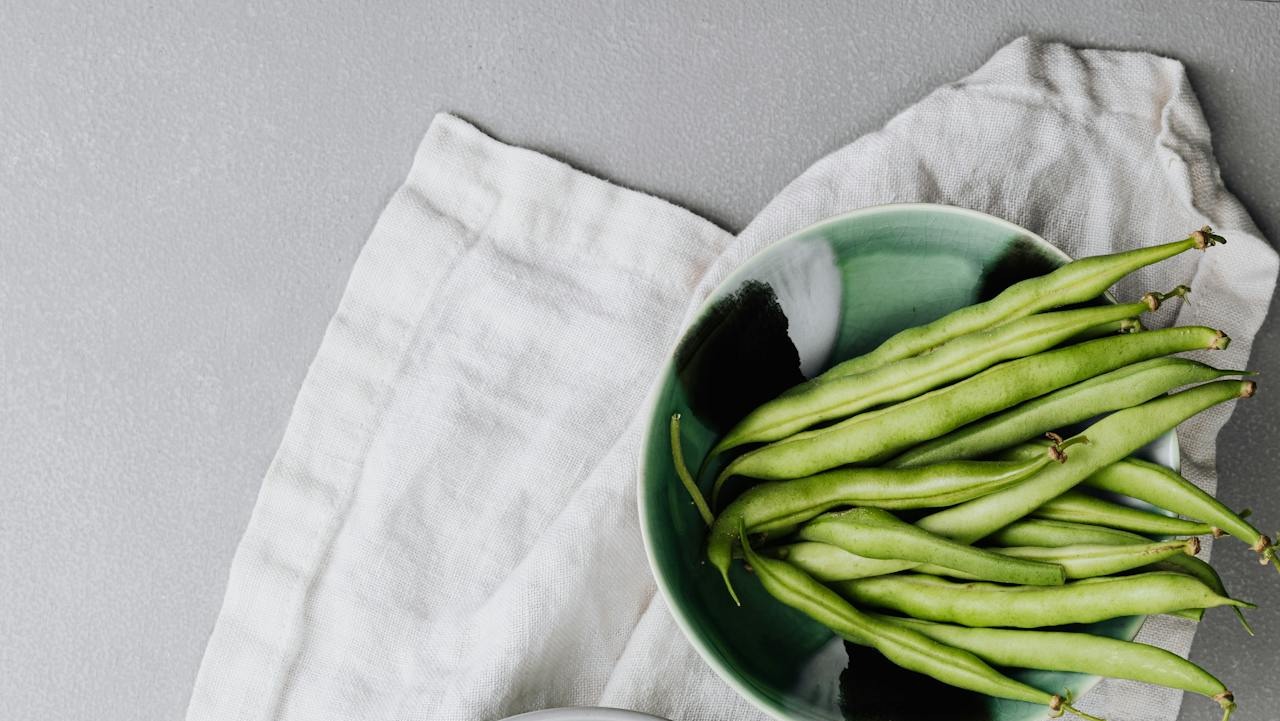
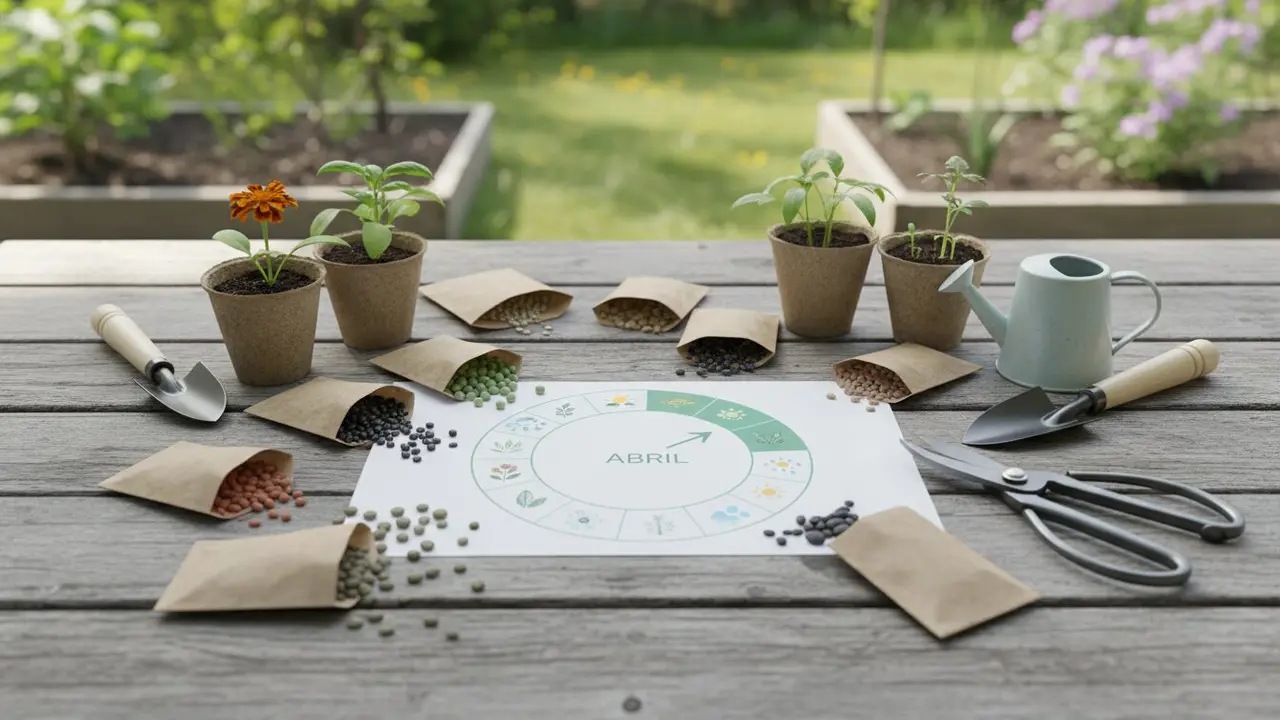
The timing will vary depending on where you are. However, it is more common to do it during the spring or shortly before it arrives. The essential thing is that they are past frost, as they do not tolerate low temperatures. Make sure they get enough warmth, sunny space and good organic matter.
How to plant green beans step by step?
If you want to plant green beans and get everything right, follow these steps:
- If you choose beans with high bushes or on a vine, you should look for a vine so that they grow well and are well supported.
- If you are going to plant them in gardens or greenhouses, make sure that the maximum temperature is 10 °C, and try to ensure that the space does not receive strong winds.
- Place the beans in an area that gets enough sun. Even the soil should be warm.
- We will use direct sowing by seed because they are resistant to transplanting.
- If you choose low plants, make holes 2 cm deep and leave 30 cm between each one. But if you choose tall plants, you should make 5 cm deep holes with 40 cm space between each one.
- For the tall beans, you should make a pyramid-shaped frame for them to climb up. It is ideal to use 2-metre sticks or canes and join them together.
- The soil must be moist, so they are watered, but without leaving puddles so that the roots do not rot. In fact, in their first flowering, watering should be moderate so that the flowers do not fall off.
Pests and diseases that can affect green beans
In addition to knowing how to plant green beans, you must prevent the different diseases and pests that they can suffer from. Here we talk about them.
- Green and black aphids: If you find them on a single plant, it is best to pull them off, but if they are on several, you should apply potassium soap and a natural insecticide.
- Red spider mite: They usually appear when you don't water a lot, the ideal is to have a very damp soil. If you see it, use potassium soap.
- Anthracnose: It is noticed when dark spots appear on the leaves and pods when there is too much humidity. Here it is recommended to avoid excessive humidity and to fumigate with horsetail.
- Powdery mildew: This is a fungus caused by excessive humidity and high temperatures. It is ideal to apply horsetail and keep the space aired.
Care needed for green beans
For beans to grow well, you need to consider this care:
- The soil should be deep, permeable and moist.
- Ideally, they should be grown in direct sunlight, even in greenhouses.
- Watering is done from flowering until the pods form.
- They can be close to some friendly plants, such as corn, courgette, squash, tomatoes, cabbages and cucumbers..
When are green beans harvested?
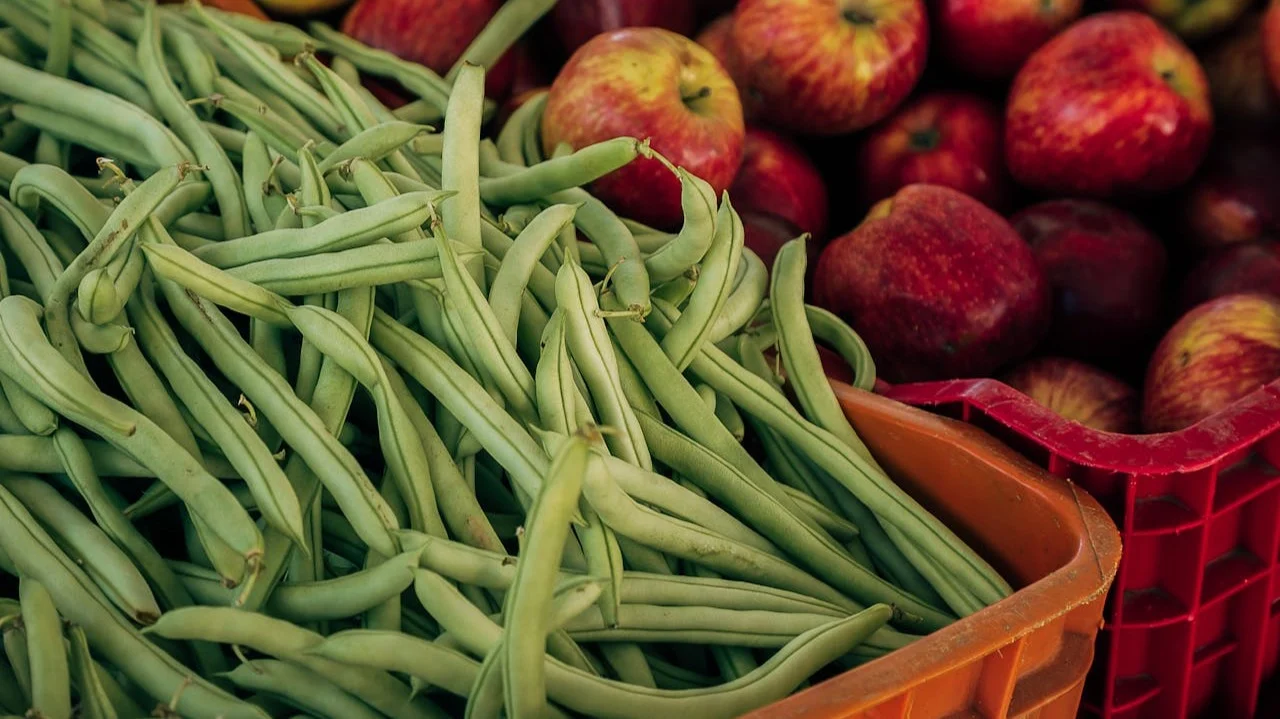
The approximate harvesting time for beans is 70 to 80 days after sowing. Try to avoid too much time because the seeds form quickly and the pods start to become stringy. A trick is to twist the ends and if you hear a snap, they are ready.
On the other hand, if you're interested in finding a suitable structure for your crops, don't hesitate to consider Fertri' s greenhouses. They are resistant structures with the perfect distribution for your different foods and plants.
Some of the recommended ones are a multitunnel greenhouse, a gothic greenhouse and a MultiWideSpan greenhouse.