How to plant bay laurel in a greenhouse? A step-by-step guide, tips and recommendations
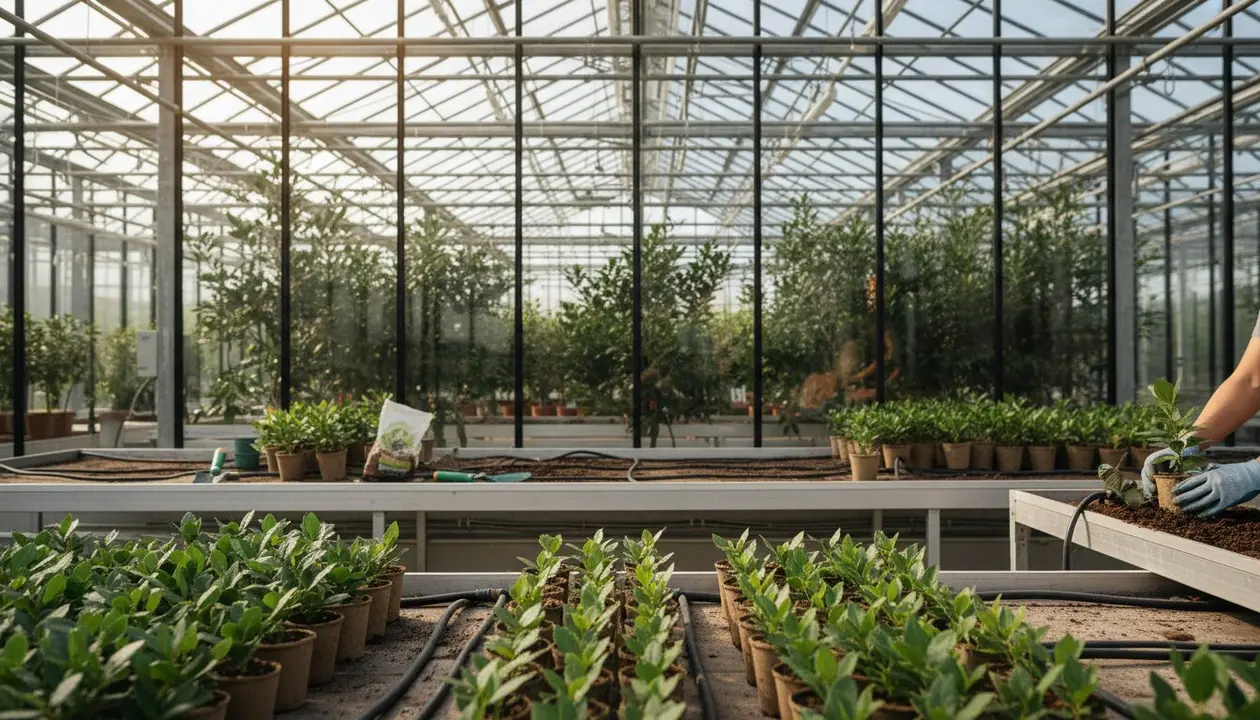
The bay tree is an aromatic plant that is highly prized in cooking and gardening. Growing it in a greenhouse allows you to control its growth and protect it from adverse weather conditions. Here we show you how to plant and care for a bay tree to get the most out of your plant.
- What is bay leaf and why grow it?
- Advantages of growing bay laurel in a greenhouse
- Basic requirements for growing bay leaves in a greenhouse
- How to plant bay laurel in a greenhouse: method and materials
- Steps for planting laurel in the greenhouse
- Essential care tips for growing bay laurel in greenhouses
- When and how should bay leaves be harvested?
- The best greenhouses for growing bay laurel
What is bay leaf and why grow it?
The bay laurel (Laurus nobilis) is an evergreen shrub native to the Mediterranean region, known for its aromatic leaves, which are used in cooking to flavour stews, soups and sauces. But that’s not all: the bay laurel also has medicinal properties and ornamental value, making it highly prized in gardens and home vegetable patches.

Have you ever thought about growing your own bay tree? Growing it at home means you’ll always have fresh, pesticide-free leaves whenever you need them.
Advantages of growing bay laurel in a greenhouse
Choosing a greenhouse for growing laurel offers several advantages:
- Protection against frost and extreme weather: Bay laurel is sensitive to prolonged periods of low temperatures, and a greenhouse provides a more controlled environment.
- Humidity and temperature control: Prevents problems with mould and dryness that can affect the plant.
- Rapid growth: Stable conditions promote faster and healthier development.
- Lower risk of pests: As it is sheltered, the laurel tree is less prone to insect attacks and diseases.
So, if you have a garden greenhouse, you’re already one step closer to a successful harvest.
Basic requirements for growing bay laurel in a greenhouse
For bay laurel to thrive in a greenhouse, you should bear in mind:
- Ideal temperature: Between 15 and 25 °C, avoiding sudden changes.
- Light: It prefers plenty of natural light but not intense direct sunlight, which could scorch the leaves.
- Ventilation: Essential for preventing excessive damp and disease.
- Soil: Well-drained and rich in organic matter to promote healthy roots.
With these points in mind, the bay tree will thrive in greenhouse conditions.
How to plant bay laurel in a greenhouse: method and materials
The most common and effective way to propagate bay laurel is using semi-woody cuttings. Here are the steps for selecting and preparing the cuttings:

- Select healthy branches about 15–20 cm long, preferably new growth.
- Remove the lower leaves to encourage rooting.
- If you wish, apply rooting hormone to improve the chances of success.
- Keep the cuttings in a humid environment with partial shade before planting.
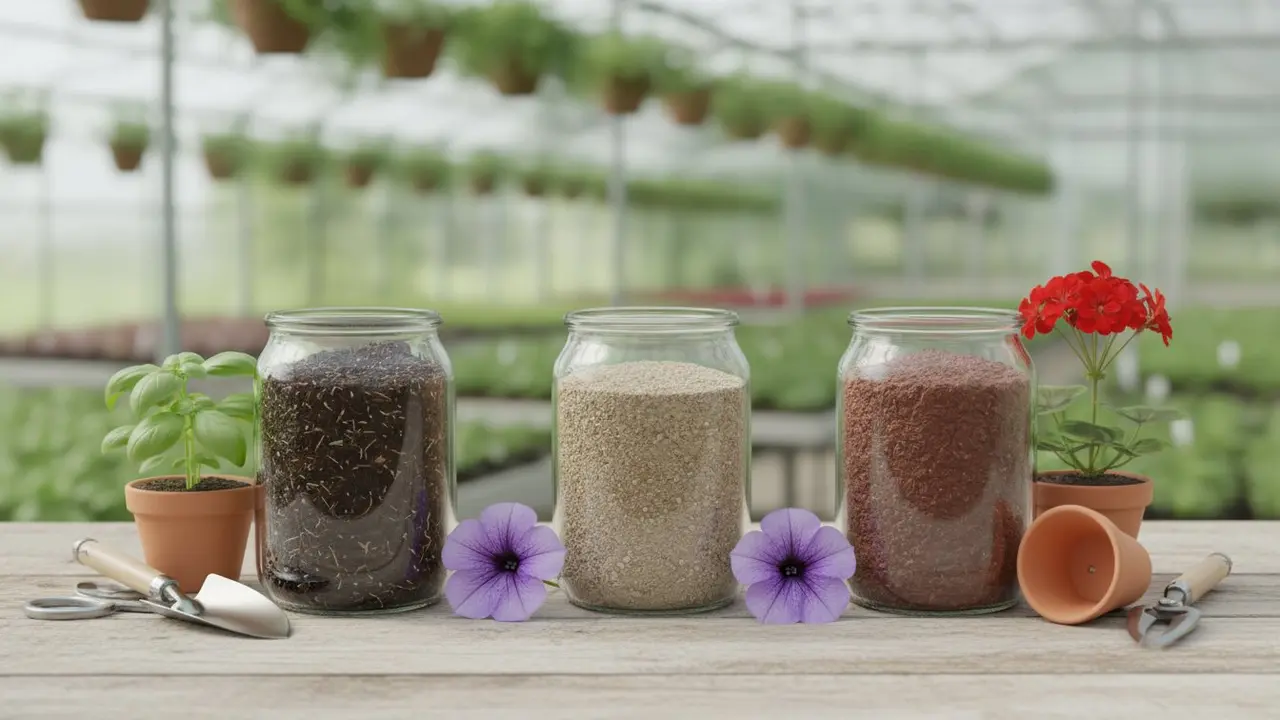
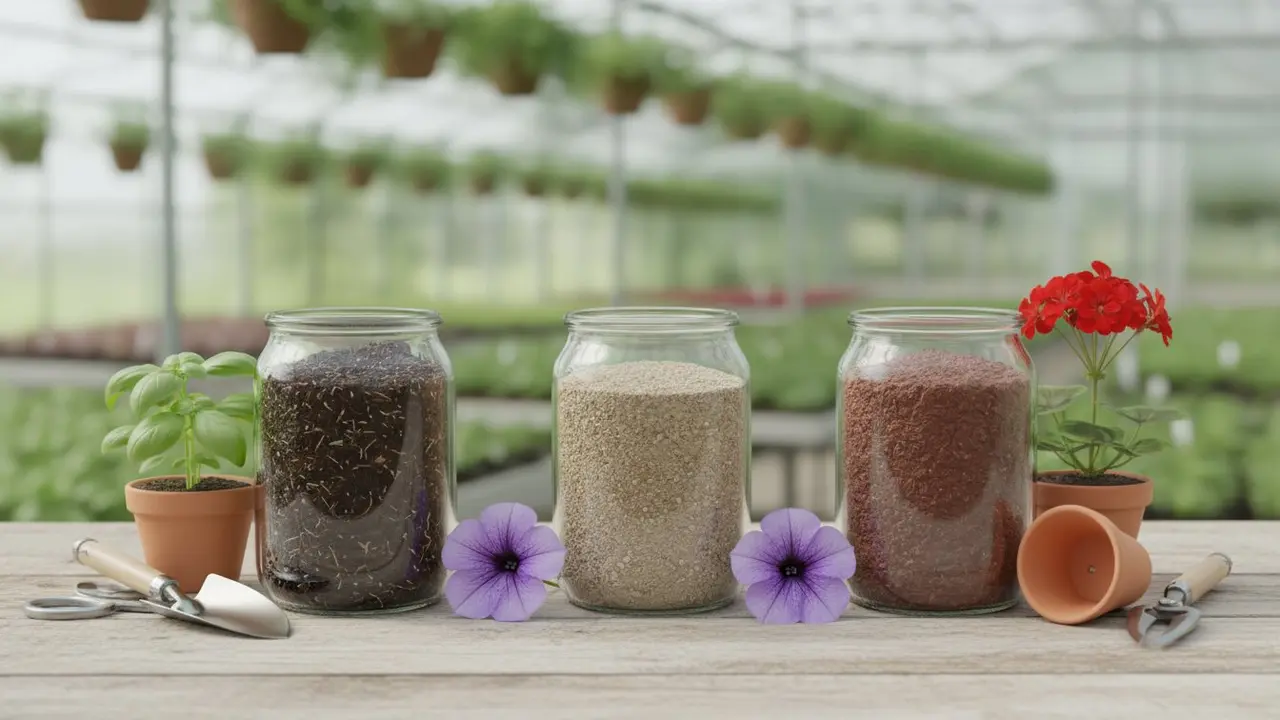
This method is simple and ensures that young plants are ready for transplanting within a few weeks. The growing medium you choose should allow for good drainage whilst retaining some moisture. A recommended mix is:
- 50% garden soil or peat
- 30% perlite or coarse sand
- 20% well-decomposed organic compost
Plant pots should have good drainage and be large enough to allow the roots to develop without being cramped.
Steps for planting a laurel in the greenhouse
Here are the steps to planting correctly:
- Fill the plant pots with the prepared potting mix, leaving some space at the top.
- Plant the cuttings about 5–7 cm deep, burying the leafless parts.
- Water lightly to settle the compost, without leaving any standing water.
- Place the plant pots in a spot with indirect light inside the greenhouse.
- Keep the humidity at a constant level and air the room daily to prevent mould.
In a few weeks, you’ll start to see new roots and new leaves.
Essential care tips for growing bay laurel in greenhouses
Proper watering and fertilising for laurel
The laurel needs a balanced watering regime: the soil should be moist but never waterlogged.

- Water when the top layer of the compost feels dry to the touch.
- Avoid overwatering to prevent rot.
- In spring and summer, you can feed the plant with a balanced liquid fertiliser every 3–4 weeks.
- During the winter, reduce the amount of fertiliser and watering to allow the plant to follow its natural cycle.
Here’s a little-known fact: laurel trees cope better with drought than with waterlogged soil.
Pruning and maintenance to encourage growth
Pruning is key to maintaining the shape and encouraging new growth:
- Carry out light pruning to shape the plant in late winter or early spring.
- Remove any dry, diseased or damaged branches.
- If you want a bushier laurel, pinch out the growing tips.
Proper pruning will prevent the plant from becoming too woody and encourage the growth of more tender leaves.
Pest and disease prevention and control
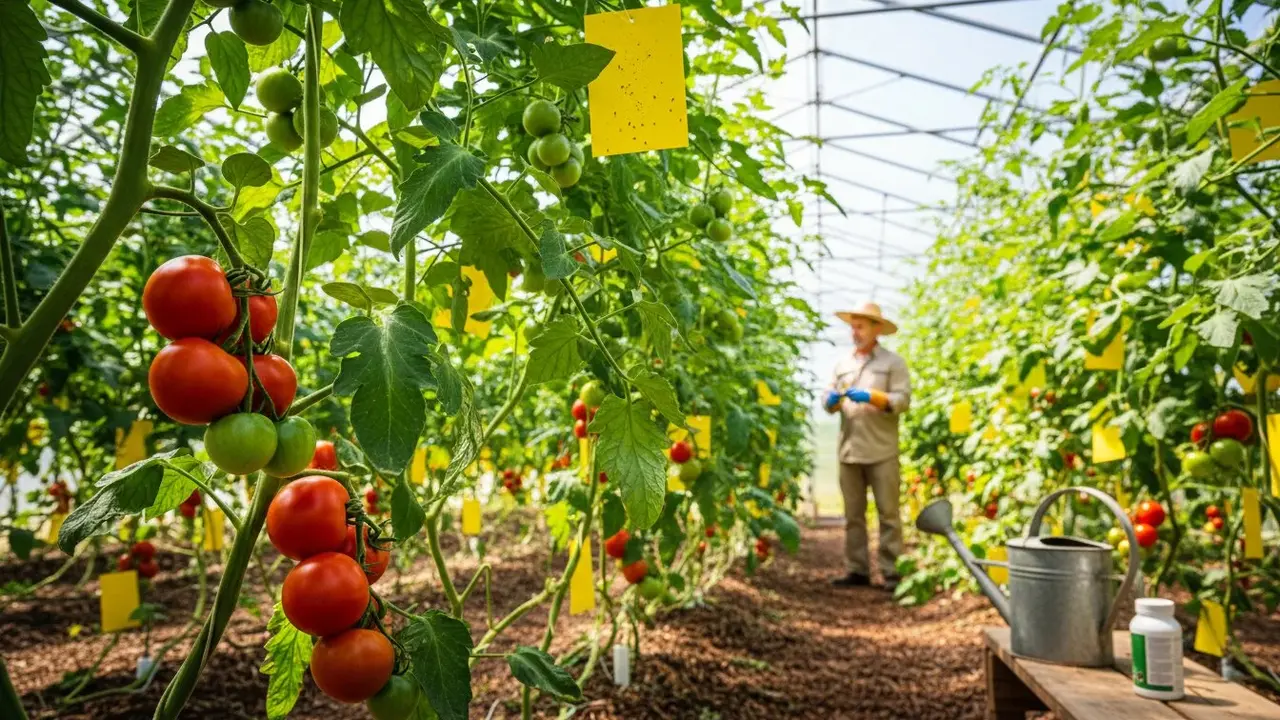
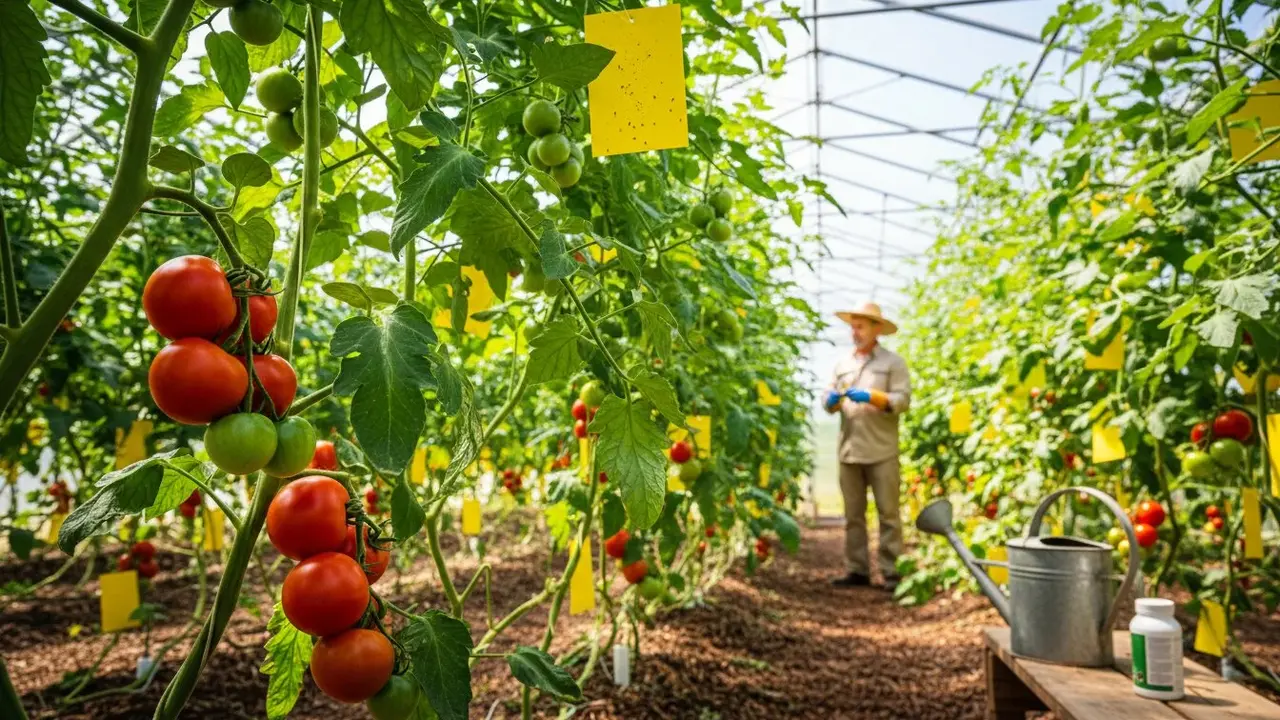
The most common pests affecting laurel trees are aphids, scale insects and red spider mites. To keep them at bay:
- Make sure the greenhouse is well ventilated to prevent excessive damp.
- Use natural insecticides such as potassium soap or mineral oils if you spot an infestation.
- Check the leaves regularly for early signs.
It also controls fungal diseases using organic fungicides and by avoiding puddles.
When and how should bay leaves be harvested?
To obtain high-quality aromatic leaves, wait until the plant is at least a year and a half old and has developed a good canopy.
The leaves can be harvested all year round, although the best time is just before flowering to maximise their aroma and flavour.

Cut off the outer, mature leaves with clean secateurs, taking care not to damage the young shoots.
How to store bay leaves so you can use them
If you want to keep the sheets for longer, you have several options:
- Natural drying: Hang the branches in a dry, well-ventilated, dark place.
- Freezing: Wash and dry the leaves thoroughly, then freeze them in airtight bags.
- Vacuum-packed: Ideal for preserving the aroma and flavour.
That way, you’ll have bay leaves available even out of season.
Culinary uses and benefits of bay leaves
As well as its traditional use in cooking to flavour broths, stews and rice dishes, bay leaves have digestive and anti-inflammatory properties.
Growing your own plants means you can enjoy fresh, chemical-free plants with a more intense aroma. What’s more, you can experiment with aromatherapy or make your own herbal teas to ease ailments.
The best greenhouses for growing bay laurel
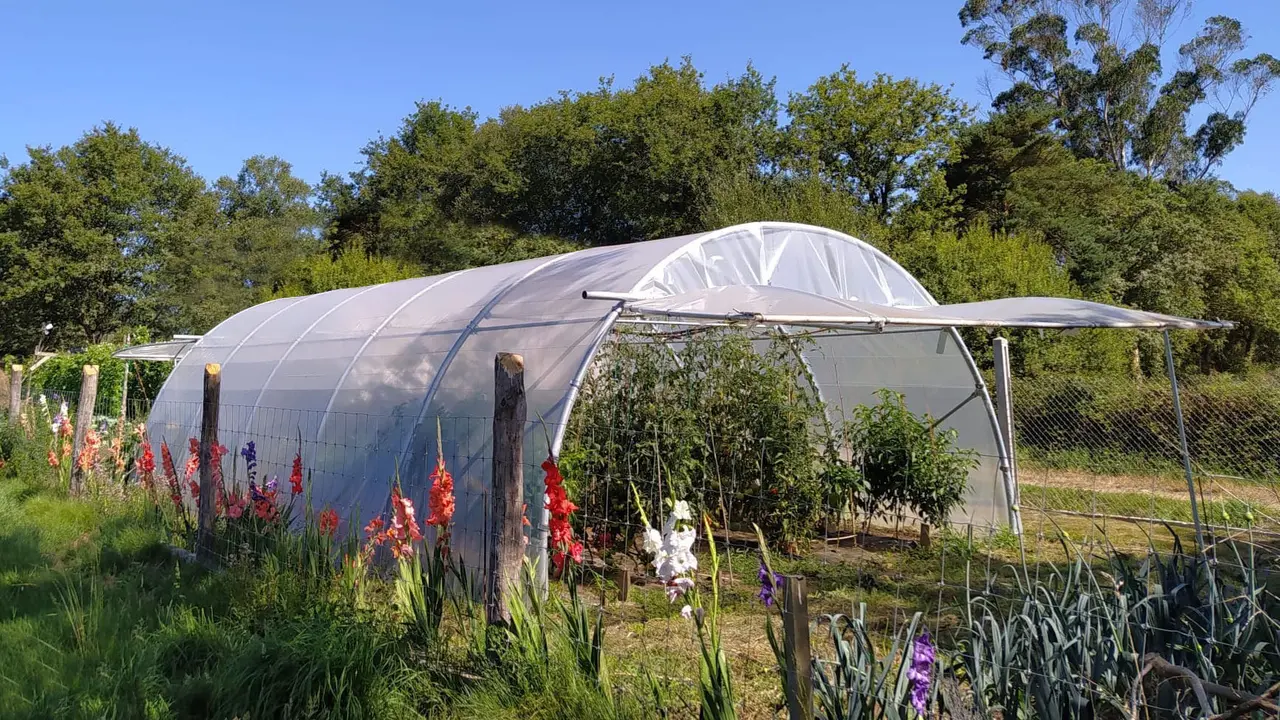
The tunnel greenhouse, straight walls tunnel greenhouse and the minitunnel greenhouse are excellent options for growing laurel.
These garden greenhouses provide a controlled environment, protecting your plants from harsh weather conditions, regulating humidity and temperature, and promoting healthy, consistent growth. The structures are designed to suit a range of spaces and requirements, from small-scale cultivation in mini-tunnels to larger-scale projects using straight-walled tunnels.
We invite you to take a look at each model so you can choose the one that best suits your project. And if you have any further questions, you can contact us and we’ll be happy to advise you.