What are the parts of plants? Functions and how to make them grow properly
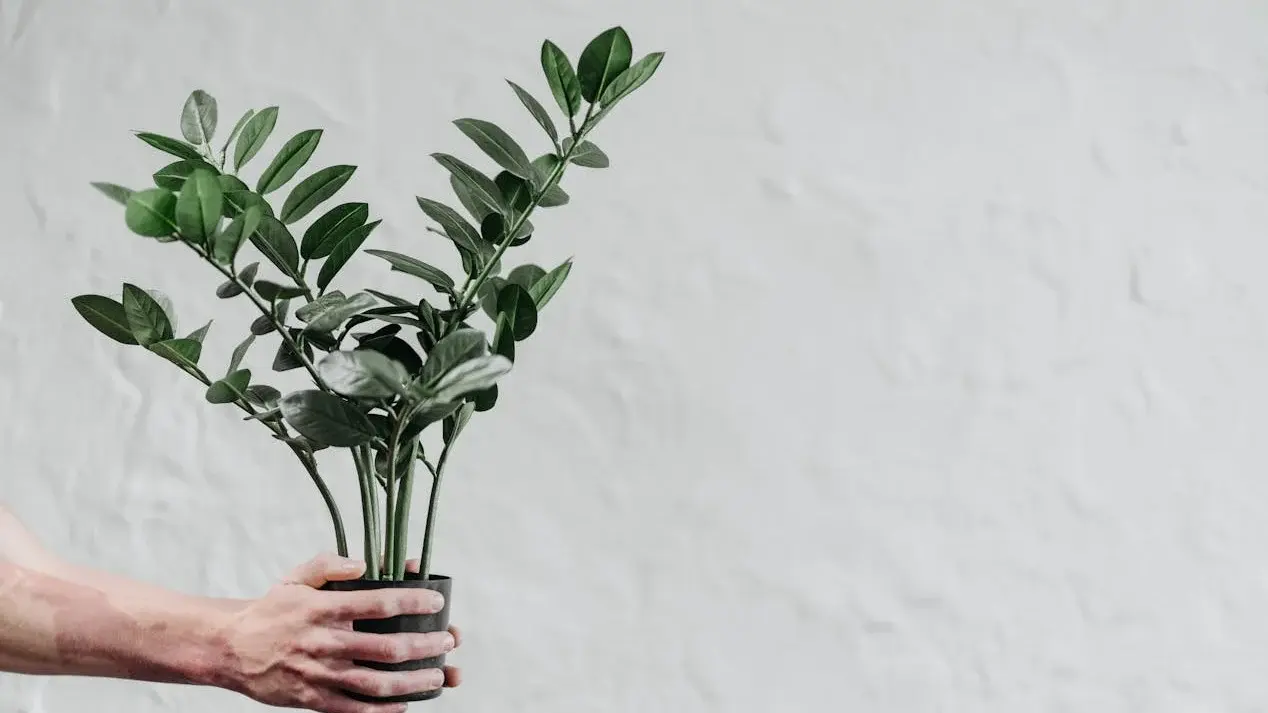
If you work with plants or enjoy nature, you should know about the parts of plants. Regardless of the species, each part has a specific function that allows for growth, nutrition, and reproduction. It is necessary to understand how each part works in order to provide the ideal care for each type of crop.
On the other hand, it is important to understand the functions of plant parts even when they are grown in controlled environments. This can be in greenhouses such as the tunnel greenhouse, straight walls tunnel greenhouse, minitunnel greenhouse or the mini wide span greenhouse. These structures offer many advantages, but they are dependent on conditions such as light location and drainage space.
Throughout this article, you will learn much more about the subject. You will learn about the parts of plants and everything you need to know to detect any problems early on.
- What are the parts of plants?
- How can you ensure that a plant grows healthily and properly?
- Best greenhouses for improving plant growth
What are the parts of plants?
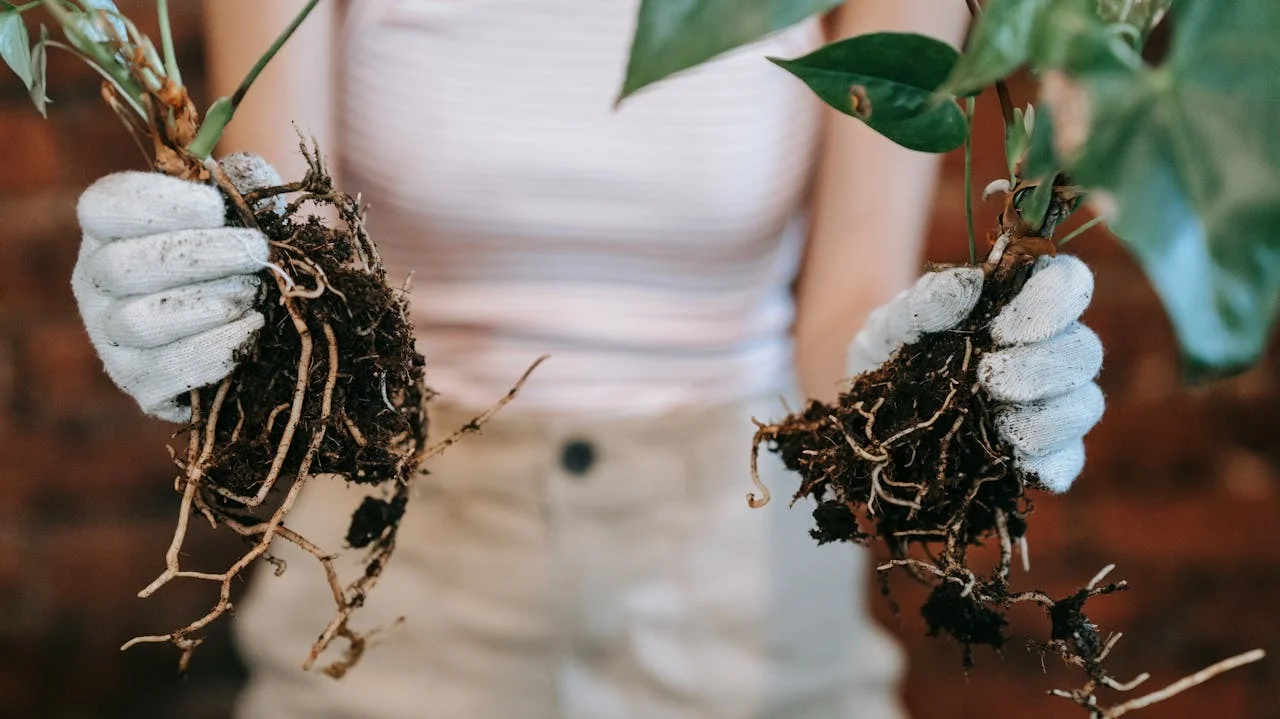
All plants are made up of different structures, which work together to ensure they develop properly. Below, we will discuss the parts of plants and their main functions.
Root
The root is the underground part of a plant, and it is responsible for anchoring it in the soil. Its main function is to absorb water, nutrients, and minerals essential for growth.
Similarly, it acts as a reserve organ, storing substances that the plant later uses when conditions are unfavourable.
Stem
The stem is the part that connects the root to the rest of the plant. It transports water, mineral salts and nutrients. In short, it acts as a bridge.
It also acts as a support and keeps the leaves, flowers and fruits in the right position to receive sunlight.
Leaves
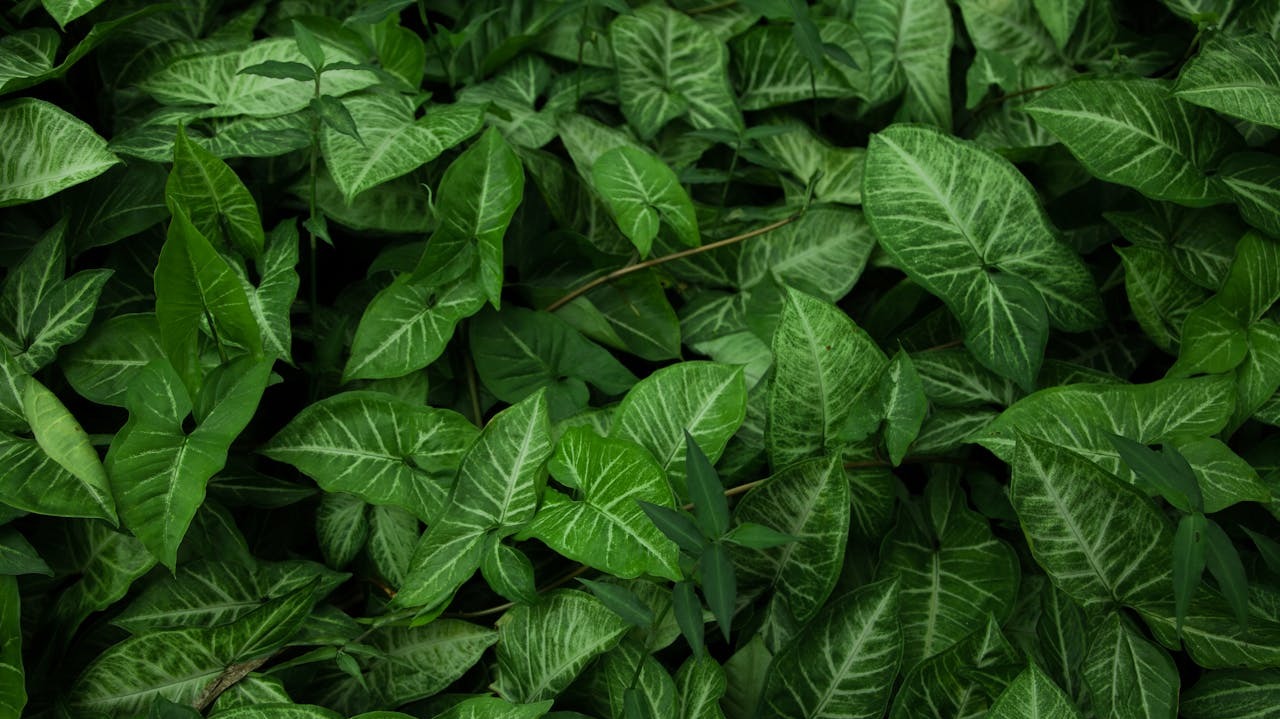
As for the leaves, they are responsible for photosynthesis. This is a process necessary for the plant to produce its food, involving carbon dioxide and water.
Other functions include regulating transpiration and gas exchange, which influence the health and development of the plant.
Flowers
Among the parts of plants, flowers are the reproductive organs. Their function is to enable seeds to form through pollination. This is achieved because their colours and scents attract pollinators, facilitating the plant's reproductive cycle.
Fruits
Fruits are what develop from flowers once fertilisation has taken place. Their function is to protect the seeds during their growth. Depending on the type of plant, they can be edible and of great economic value; therefore, they must develop correctly and provide good nutrition to the entire plant.
Seeds
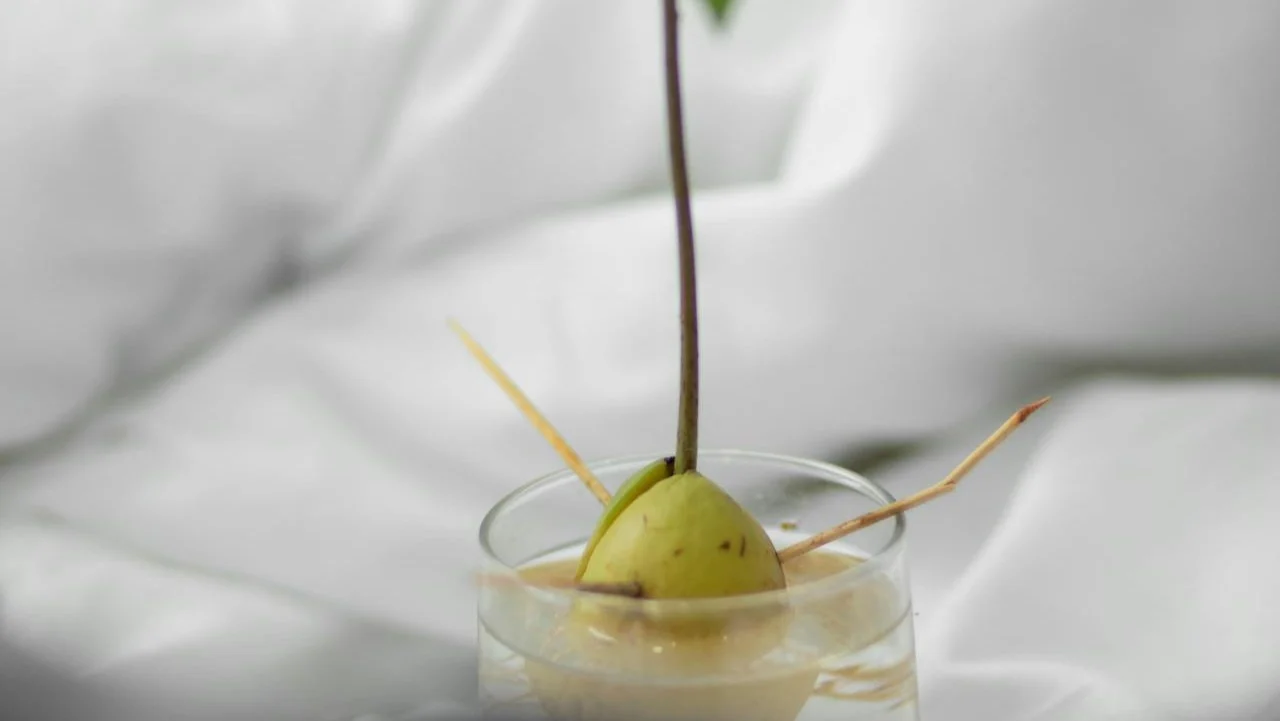
Finally, we have seeds. These contain the embryo of a new plant along with the reserves necessary for it to develop. They are essential for reproduction and the continuation of the plant species. If the conditions are right, the seed germinates and a new life cycle begins.
How can you ensure that a plant grows healthily and properly?
Now that you know the functions of the parts of plants, it is appropriate to consider several tips for growing them healthily:
- Provide the right amount of light: Remember that light is essential for photosynthesis and must be adapted to the type of plant. Everything must be balanced, not too much, but not too little.
- Control watering: Watering must also be balanced to avoid problems such as root rot or dehydration of the plant.
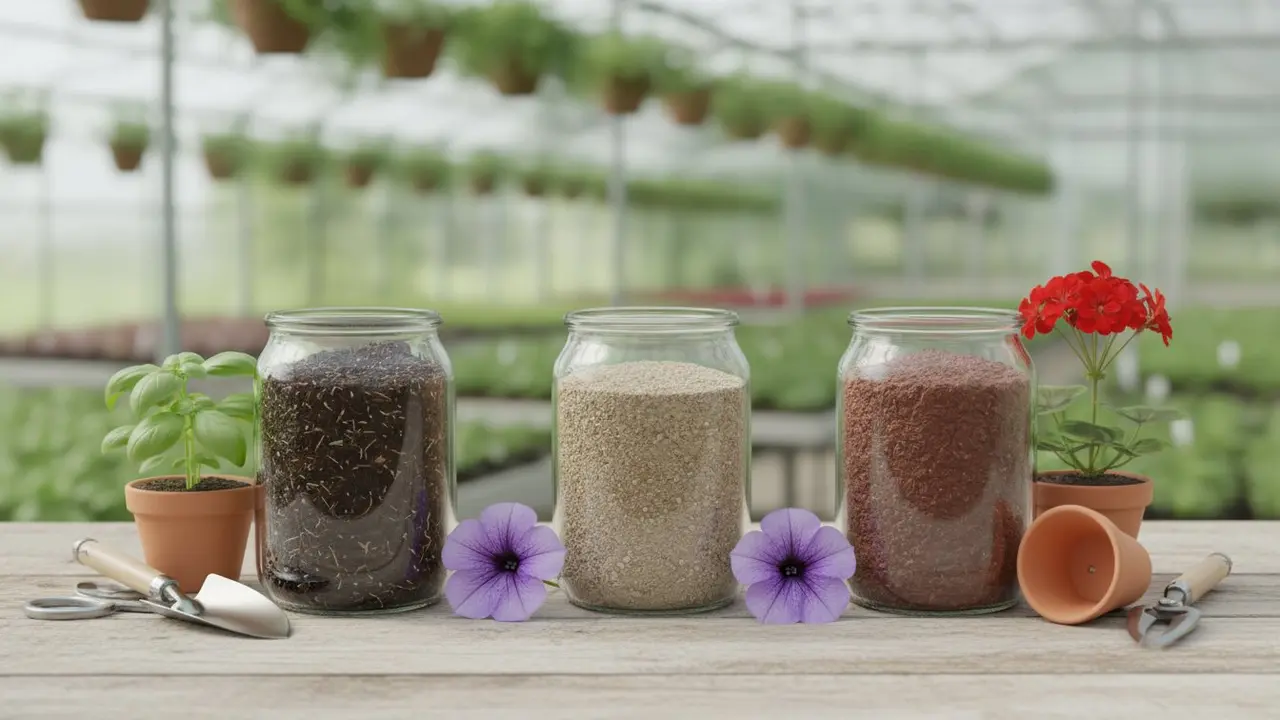
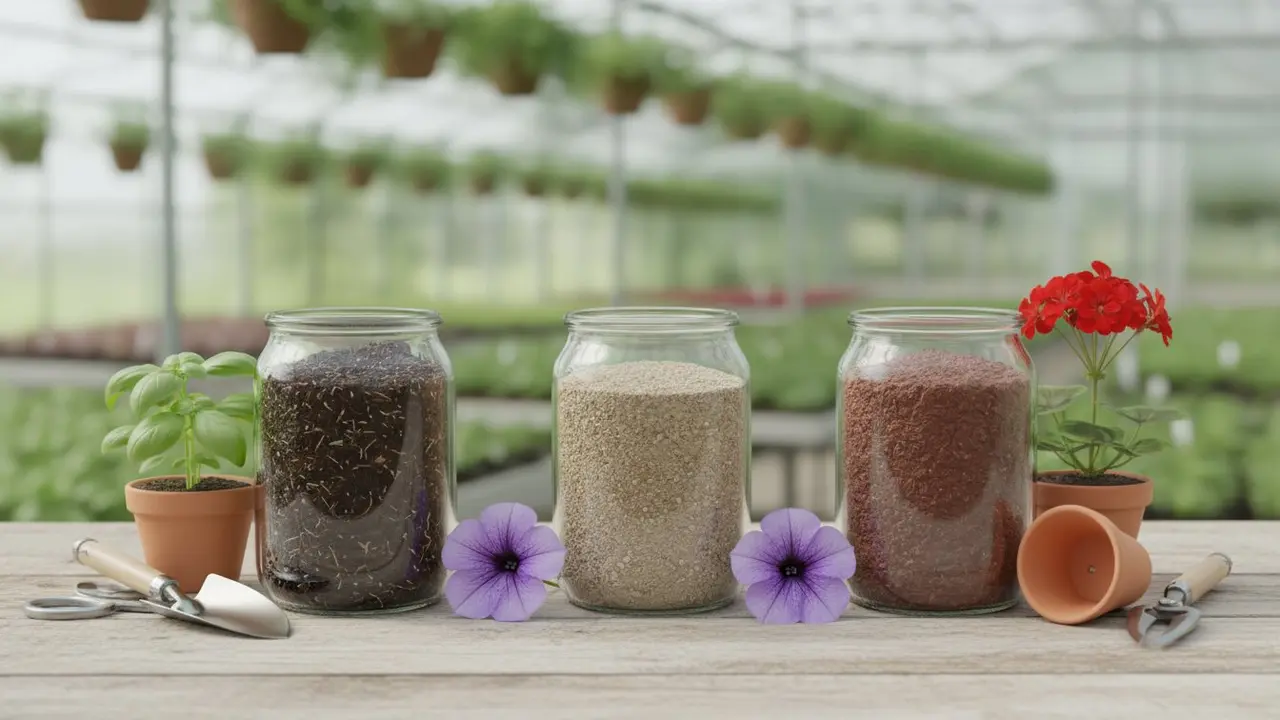
- Use a suitable substrate: The soil should be rich in nutrients and well-drained so that the roots can develop properly.
- Maintain a stable temperature: Bear in mind that extreme temperatures can negatively affect the growth and overall health of the plant. Depending on the species, you need to provide it with the ideal temperature.
- Protect against adverse weather conditions: This could be wind, frost or excessive heat. All of these can damage plants if left unchecked.
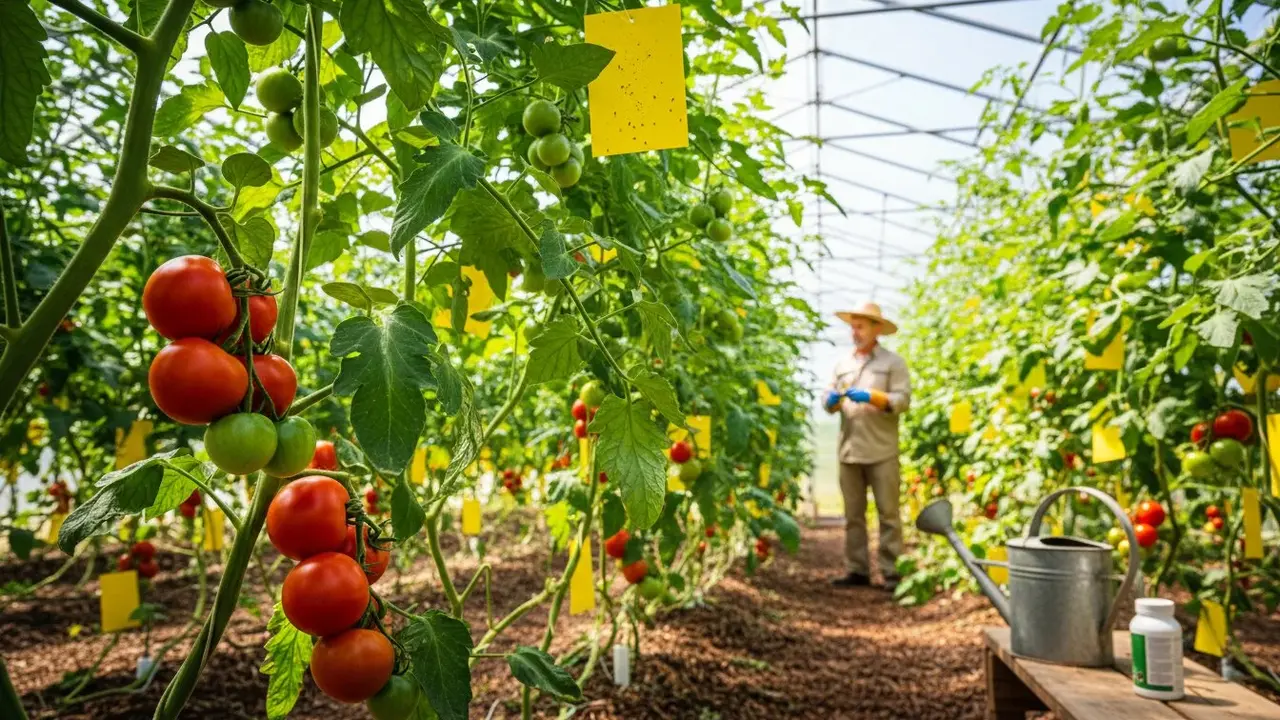
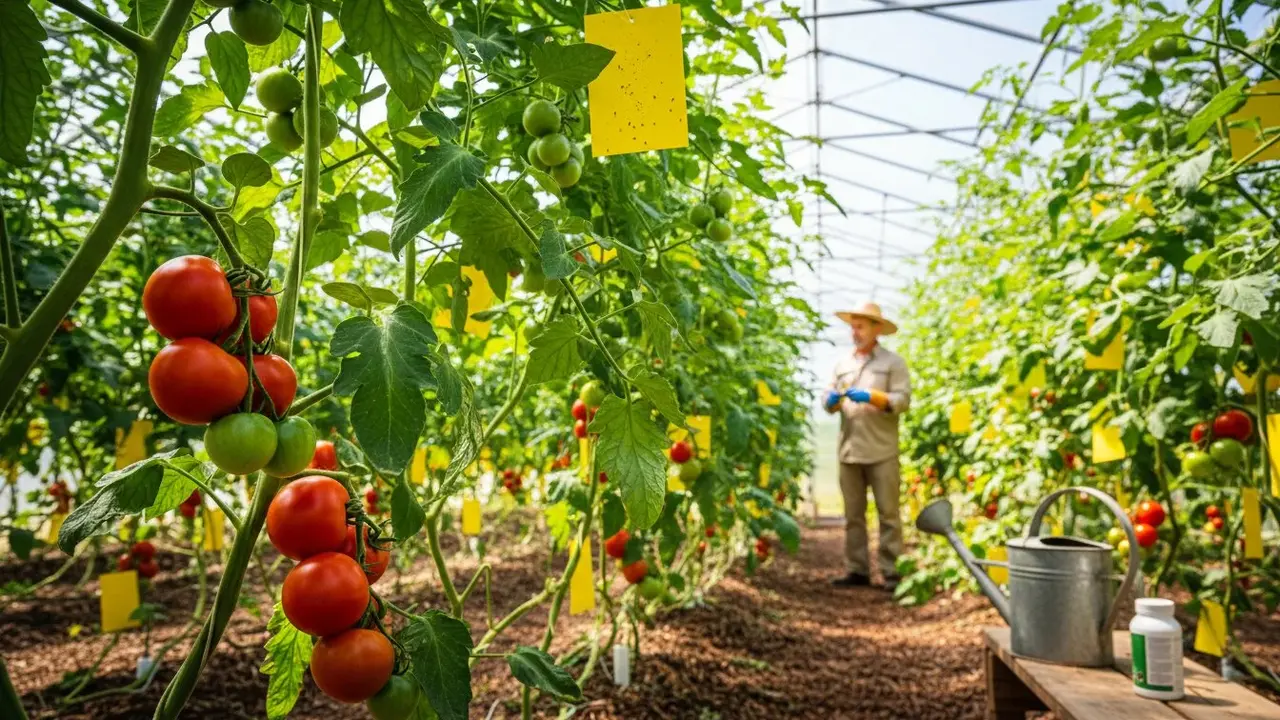
- Opt for controlled environments: Greenhouses are ideal because they allow optimal conditions to be maintained throughout the year and improve plant development.
Best greenhouses for improving plant growth
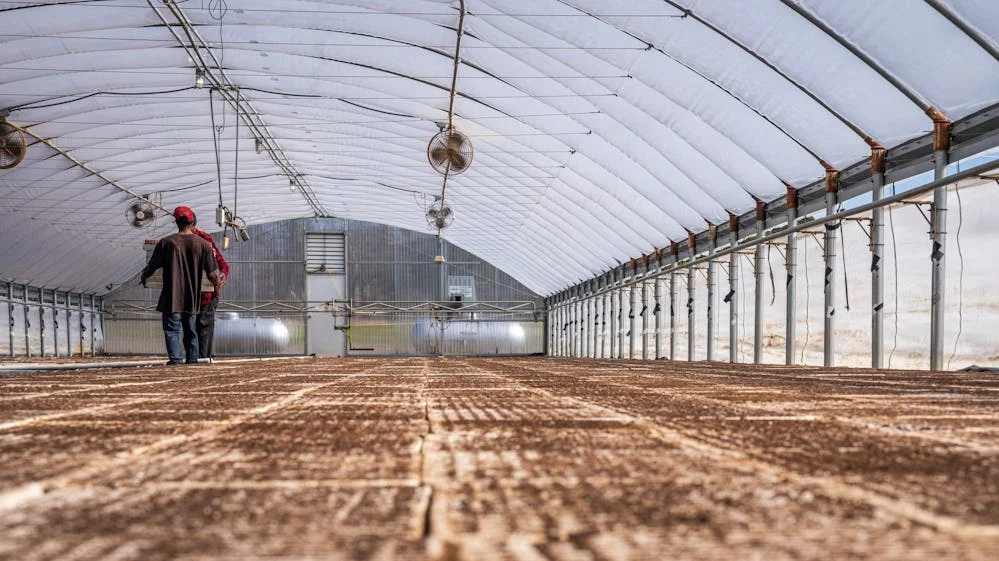
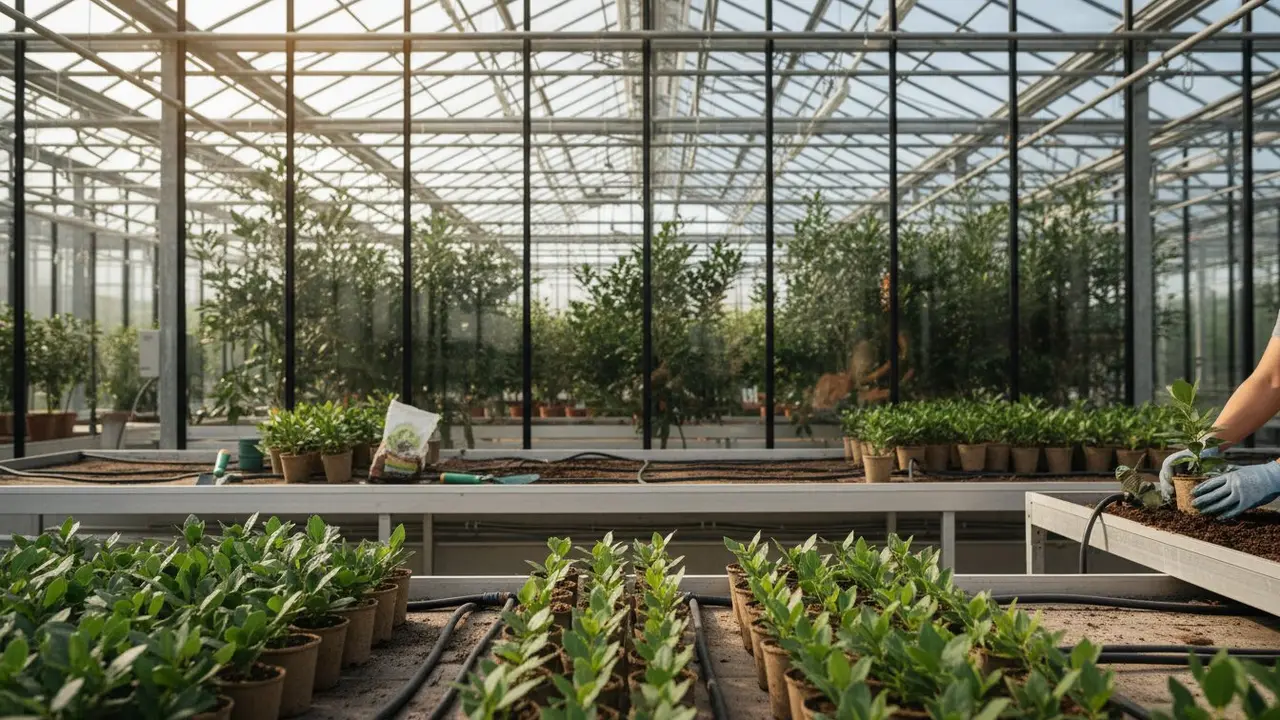
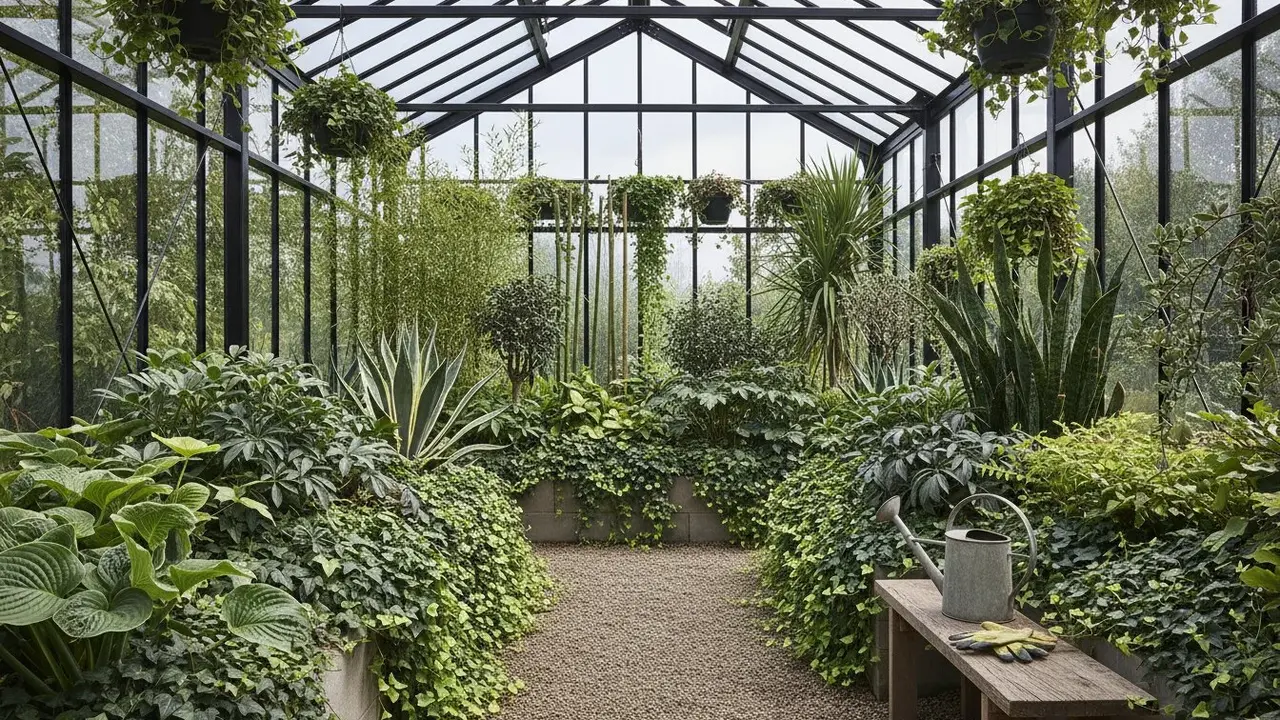
Greenhouses are considered one of the best solutions for optimising the growth of different plants, vegetables, and flowers. These structures manage to control conditions and provide more stability to crops.
By choosing a good greenhouse, you can balance the temperature, humidity, sun exposure, and other conditions in which plants grow. At FERTRI, we have a variety of models adapted to various gardening and agricultural projects.
Some options are:
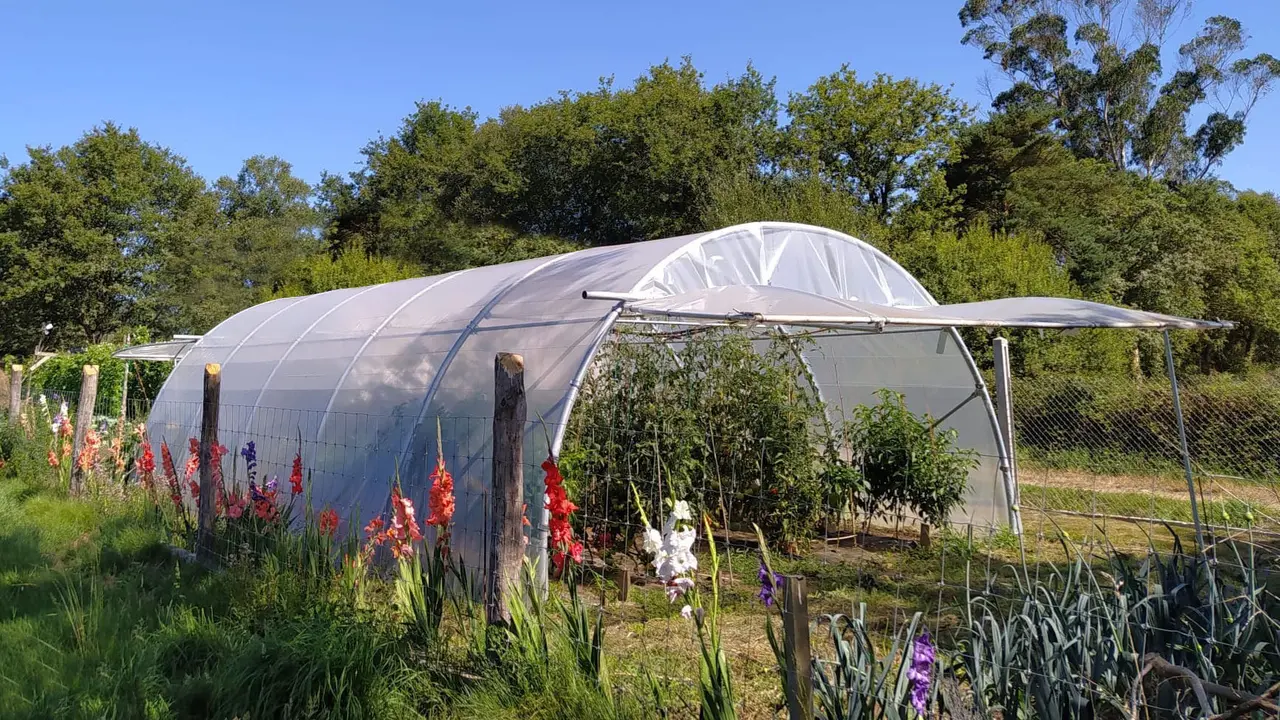
- Tunnel greenhouse: Ideal if you want to grow extensive crops and need to protect them seasonally.
- Straight walls tunnel greenhouse: This offers greater height and comfort for large plants.
- Minitunnel greenhouse: Perfect if you want to organise small vegetable gardens or protect your seedlings.
- Mini wide span greenhouse: This combines strength and design for gardens and home crops.
If you are unsure which one to choose, please do not hesitate to contact us and we can provide you with personalised advice. It is time for your plants and crops to have the right conditions.