Growing mushrooms in a garden greenhouse: A step-by-step guide
Mushroom growing is a great option if you are starting out in the world of agriculture and want a profitable venture. Its ease of use makes it a favourite with many people, but you need to learn techniques and tips on how to do it. For example, you need to choose controlled spaces as quality greenhouses.
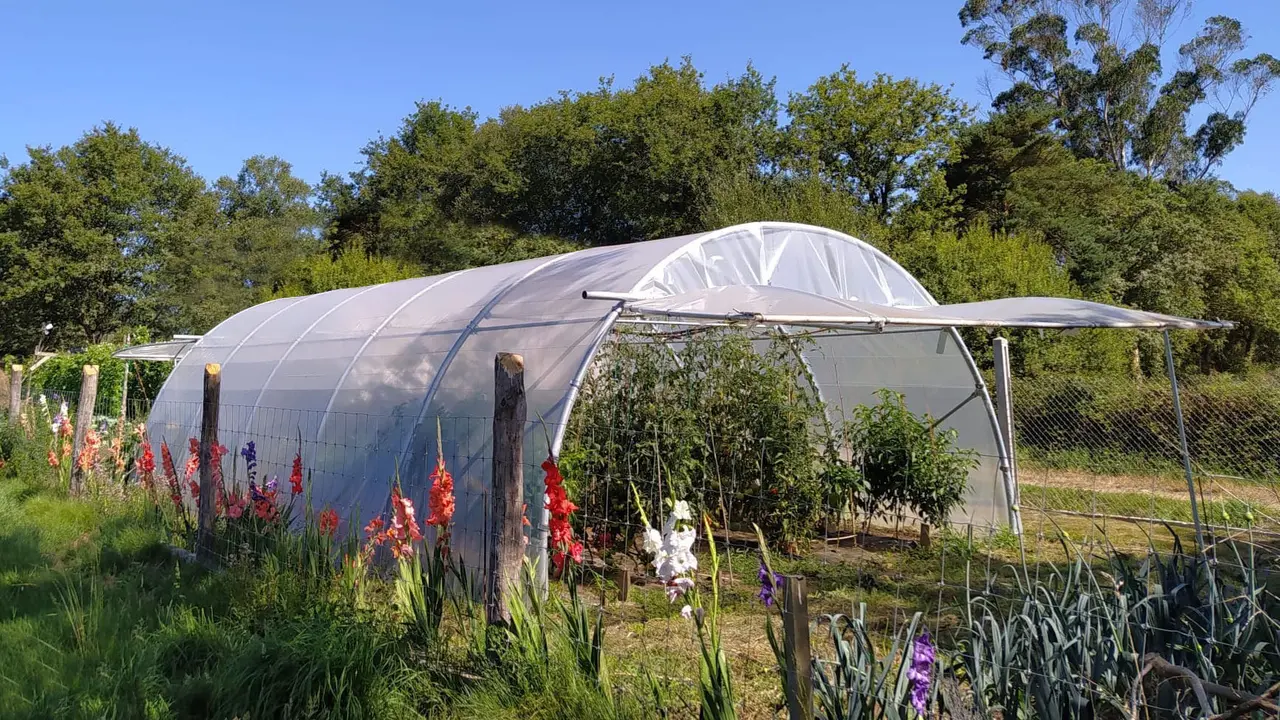
There are various options, such as the tunnel greenhouse, the straight-walled tunnel greenhouse, the mini-tunnel greenhouse and the mini wide span greenhouse. Each has special features to suit your needs and crop, but before we delve into them, we need to teach you all about mushrooms so you can have a great harvest.
- What are mushrooms?
- What is needed to grow mushrooms?
- How to grow mushrooms step by step?
- Care and maintenance of the mushroom crop
- How is the mushroom crop harvested?
- How long does it take to grow a mushroom crop?
- Tips for mushroom cultivation
What are mushrooms?
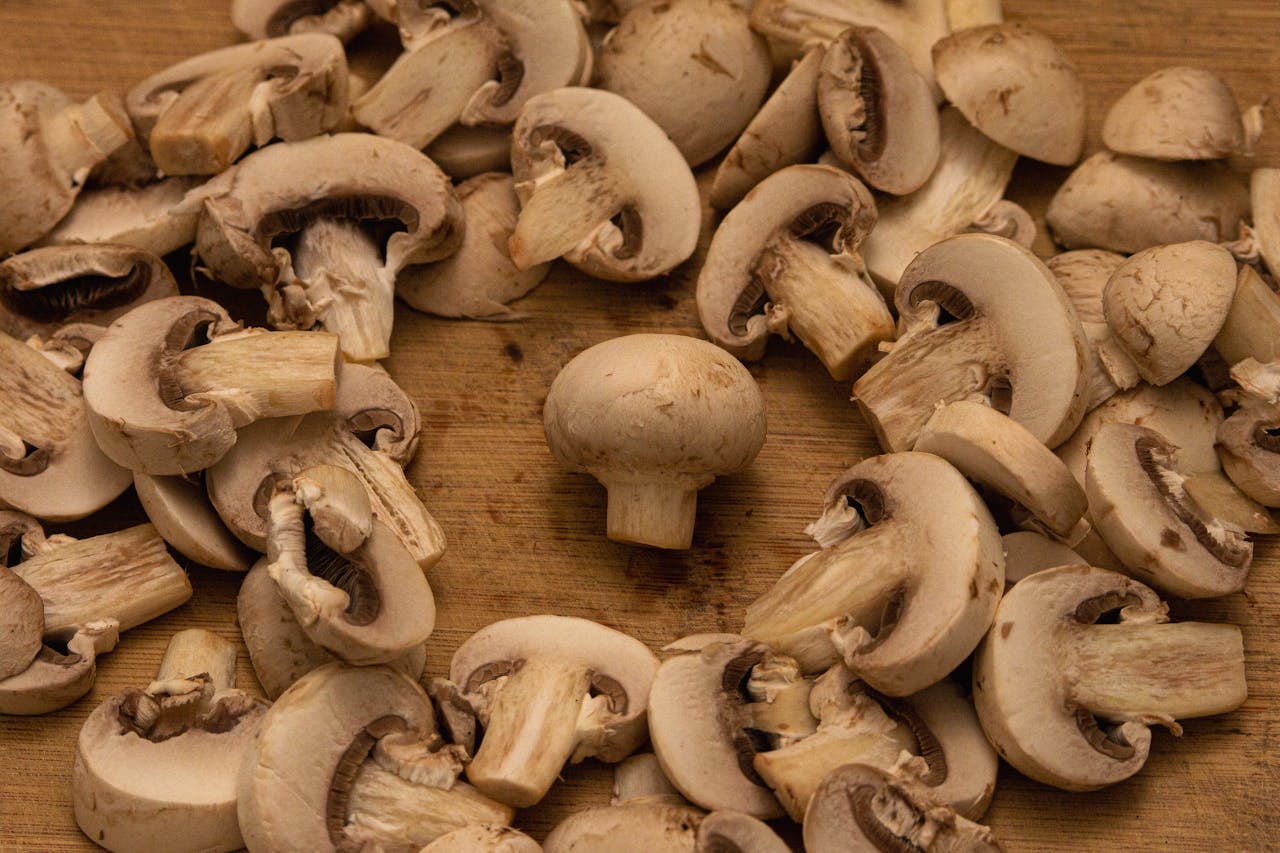
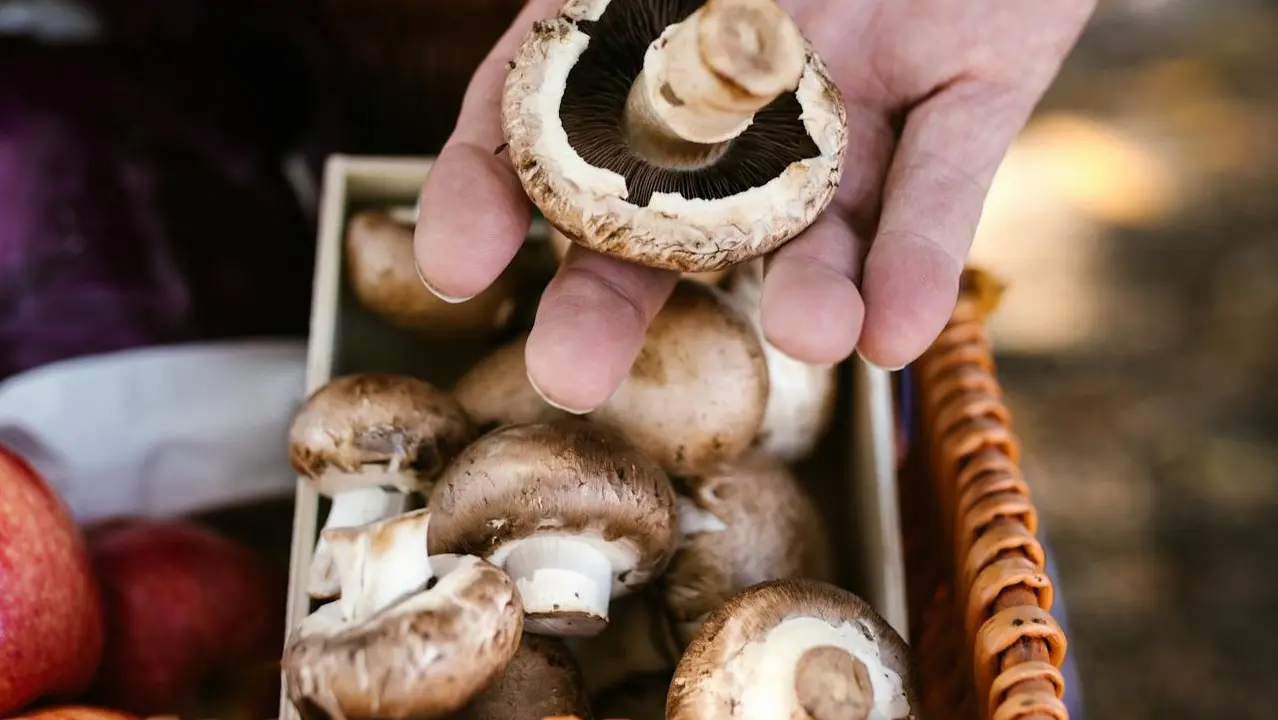
Mushrooms are very popular and widely consumed, but few people know what they really are. They are mushrooms that come from the Agaricaceae family, their taste is delicious and they can combine very well with various food dishes.
If we go to the agricultural point of view, they are an attractive option to undertake because the cycle is short and their demand is high. In addition, there are many varieties, but it is advisable to consult them carefully to know which one is best for you to grow.
What is needed to grow mushrooms?
We've made it clear what they are, but what do you need to have in order to grow mushrooms? Some of the things you need are:
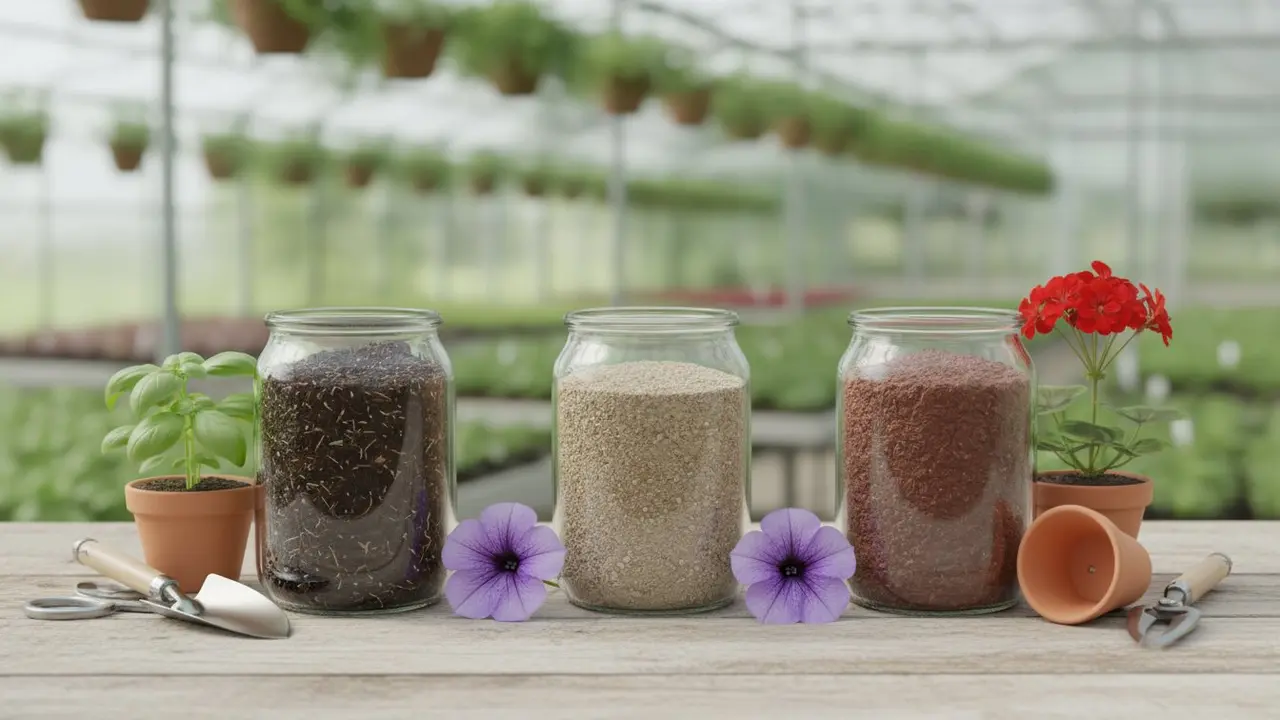
- Suitable substrate: Organic material such as straw or agricultural waste.
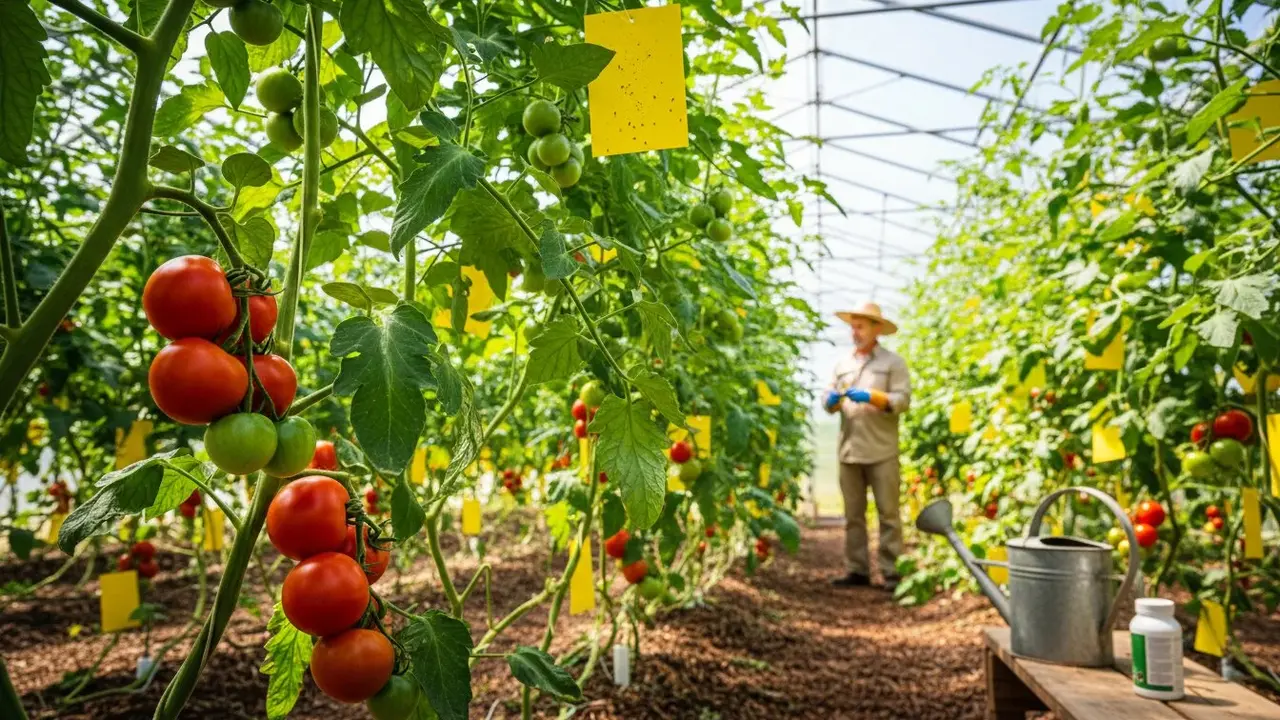
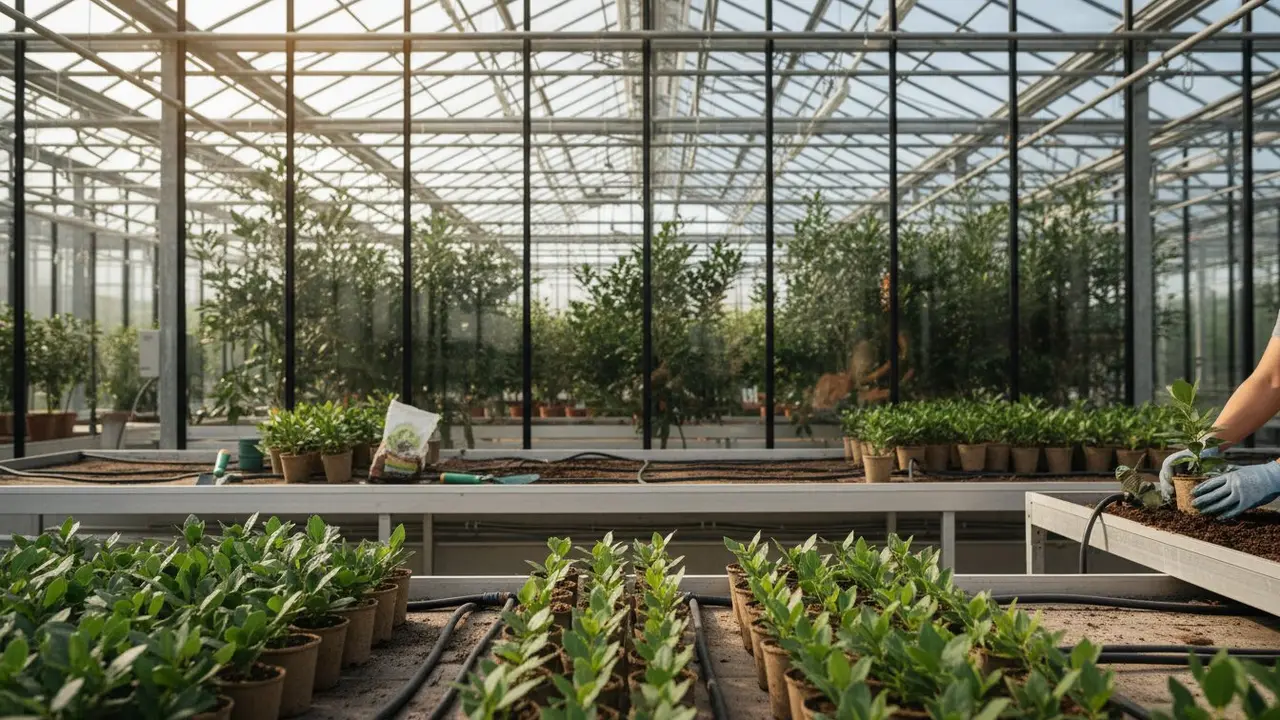
- Controlled space: Areas where you can have more control over your crops, such as greenhouses.
- Environmental conditions: Maintain adequate ventilation, humidity or temperature.
- High quality mycelium: This is the basis for the development of the fungus.
- Tools and equipment: This is essential for the management and maintenance of the crop.
How to grow mushrooms step by step?
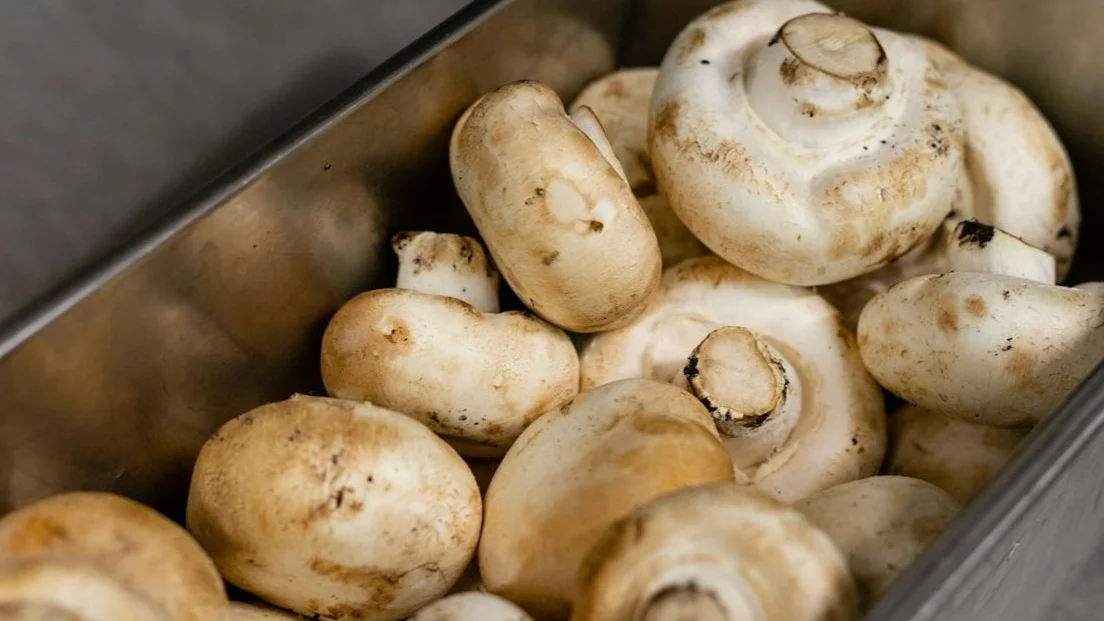
Here you have to follow some basic instructions, but it is not very complex, even if you are a beginner.
- Prepare the substrate: The organic material must be sterilised and conditioned to eliminate contaminants.
- Inoculation: The mycelium must be introduced into the substrate that has been prepared.
- Incubation: The time to maintain a suitable environment for the mycelium to colonise the substrate.
- Fructification: Adjust the environmental conditions to stimulate the formation of mushrooms.
- Harvesting: Finally, harvest the mushrooms at the right time to ensure quality mushrooms.
Care and maintenance of mushroom cultivation
It is not enough just to have a mushroom crop, you must also keep it healthy. To do this, follow these tips:
- Work on humidity control: It is important to maintain adequate levels to encourage growth without generating excess humidity.
- Ensure adequate ventilation: It is advisable to avoid the accumulation of gases and regulate the temperature of the space.
- Cleaning and sanitation: This should prevent the appearance of diseases and contaminants, so clean frequently.
How is the mushroom crop harvested?
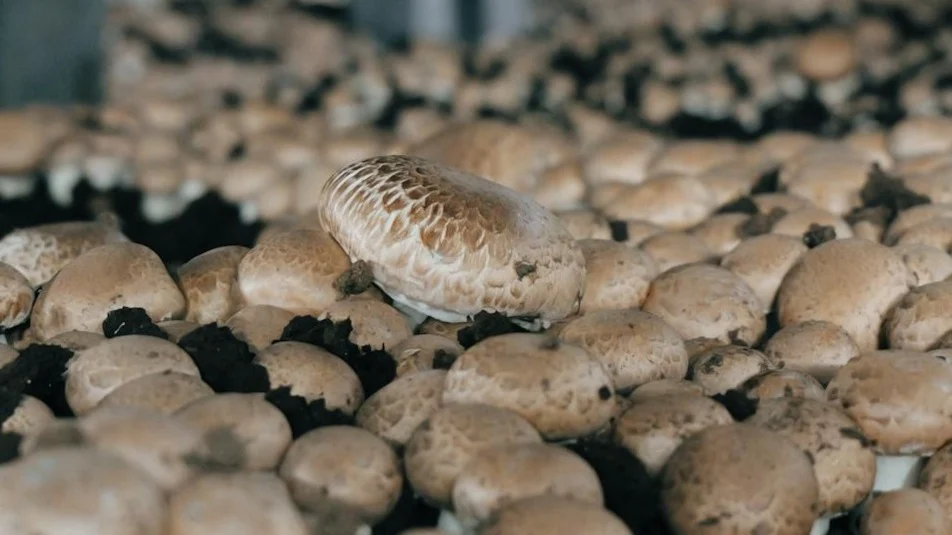
It is also important to know how to harvest your mushrooms. This is done by hand, while ensuring that each mushroom is picked at its optimum maturity. It is also important that the mycelium is not damaged because this affects other crops.
It is advisable to use tools that are clean and suitable for this type of crop. Always handle mushrooms gently.
How long does it take to grow a mushroom crop?
Mushroom crops grow in a variety of ways, depending on the species you are working with and the conditions you have given them. Generally, it takes at least 3 to 4 weeks from inoculation to harvest.
Always remember that temperature and other factors will affect this cycle.
Tips for mushroom cultivation
In closing, here are some tips to complement the above so that you can have a good harvest.
- Monitor constantly: Regularly check crop conditions to adjust as necessary.
- Use quality substrates: Ensure that organic material is free of contaminants.
- Control pests and diseases: Implement preventive measures and act quickly at any sign of a problem.
- Plan harvests: Organise space and harvesting times to optimise production.
- Continuous training: Keep informed about new techniques and best practices in mushroom cultivation.