Stages of growth in plants: Importance for growing plants and flowers
Plant growth is a continuous process that can determine the health, yield, and quality of any crop. It is important to understand how a plant evolves from germination to completion of its cycle, as this allows it to be cared for properly.
Likewise, understanding the stages of growth can be useful when growing flowers or plants in controlled environments. For example, greenhouses such as the tunnel greenhouse, straight walls tunnel greenhouse, minitunnel or the mini wide span greenhouse. These are spaces that allow you to adjust the conditions for each stage.
Throughout this article, you will learn more about this topic. We will explain in detail plant growth, the plant cycle, and what happens at each stage.
What are the stages of plant growth?
The growth process in plants occurs in different phases. It is something that happens naturally, and each stage has a specific function and requires specific care. We will explain this below.
Plant germination or sprouting
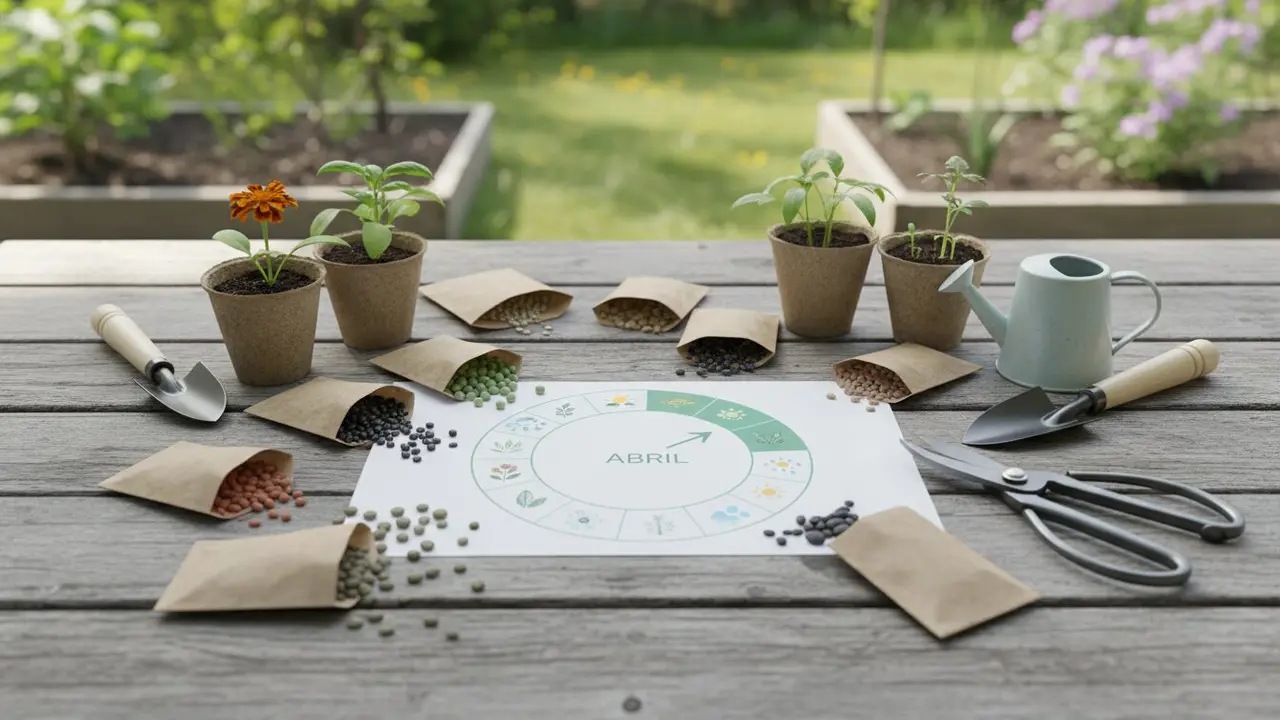
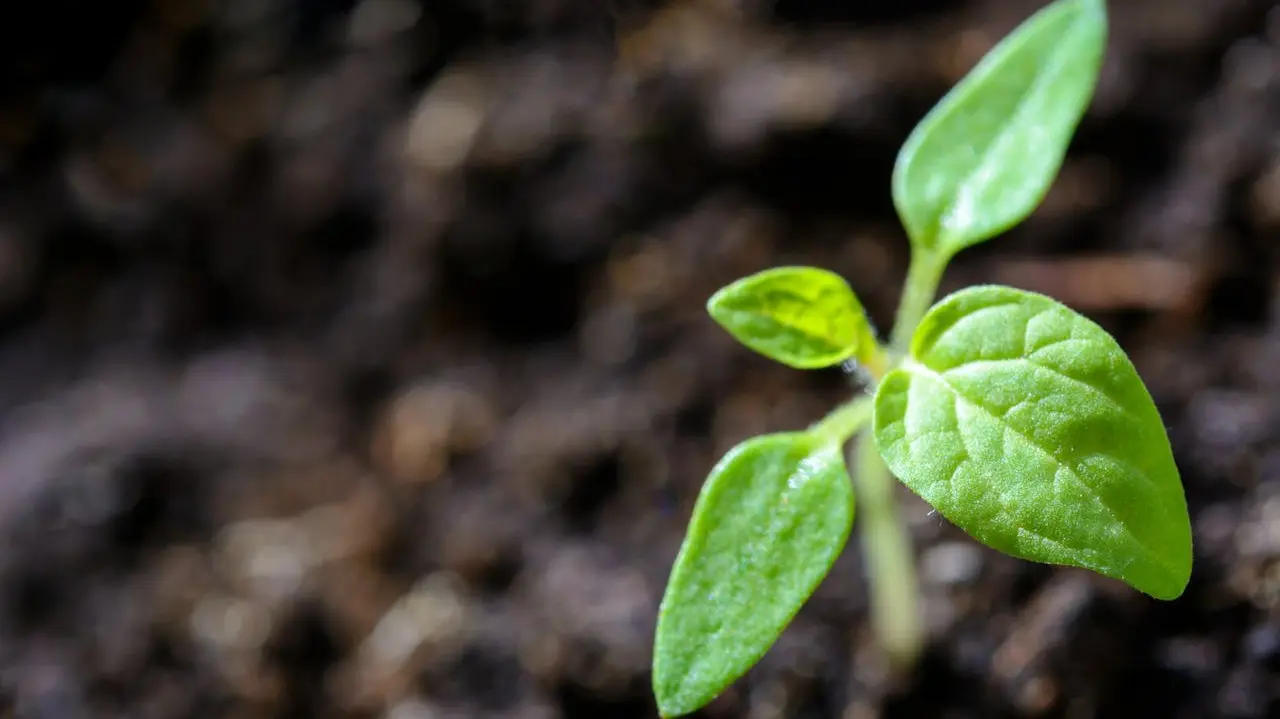
This stage begins when the seed comes into contact with adequate moisture and the embryo is activated. The primary root emerges first to anchor itself to the soil and absorb nutrients, while the shoot seeks to break through the surface. A stable temperature and good substrate are essential here.
Leaf development
The second stage is the development of the leaves, which begin to form after sprouting. These leaves enable photosynthesis to begin, a process in which the plant produces enough energy to grow. Here, good exposure to light and balanced watering are essential.
Formation of lateral shoots
At this stage, secondary shoots begin to appear, directly influencing the shape and volume of the plant. These shoots allow for greater branching, which can translate into more flowers or fruit in the future if managed correctly.
Longitudinal growth of the stem
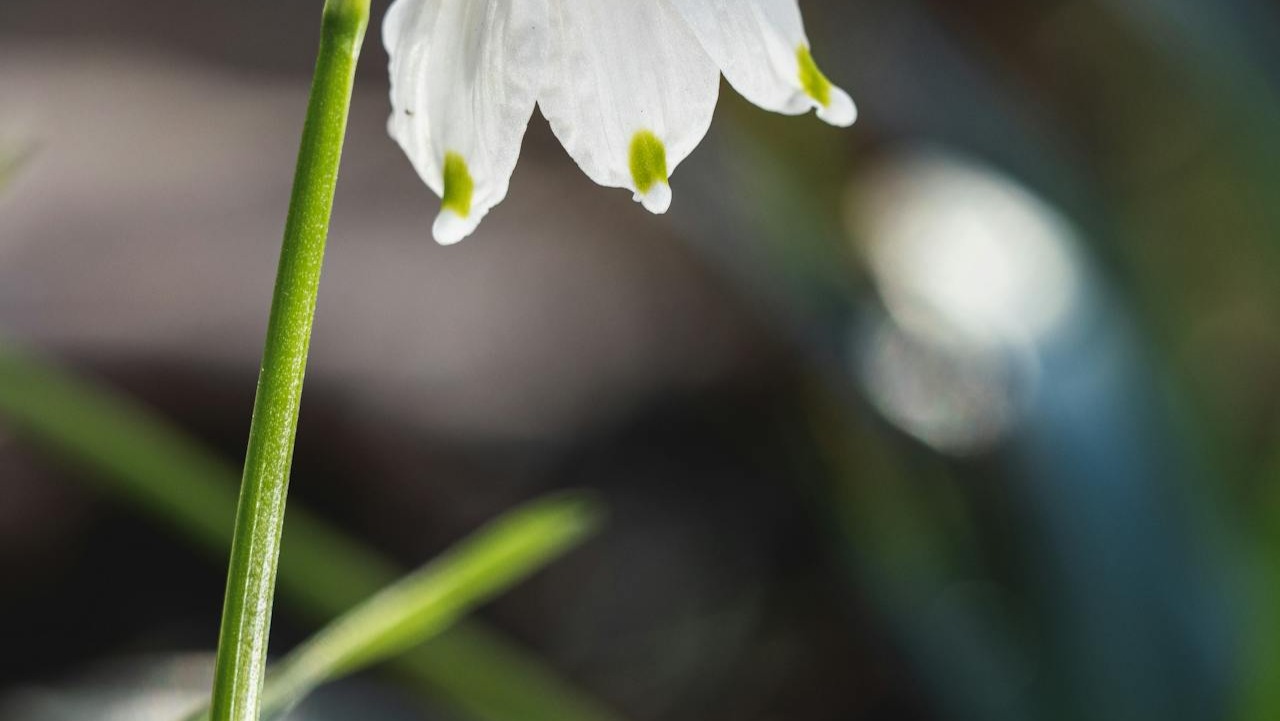
Here, the stem gradually lengthens and helps with light access. It also improves sap circulation. This growth allows the plant to support leaves, flowers, and fruit, so a strong, well-developed stem is perfect for the overall stability of the plant.
Development of the reproductive organs
Another stage of plant growth is the development of propagation organs. Depending on the plant, different structures begin to form, such as bulbs, rhizomes, or tubers. These are organs that allow plants to multiply or survive in adverse conditions.
The inflorescence emerges
At this stage, the first signs of flowers appear, known as inflorescences. This is a clear sign that the plant has transitioned from vegetative to reproductive growth. At this point, any stress can affect flowering.
Flowering
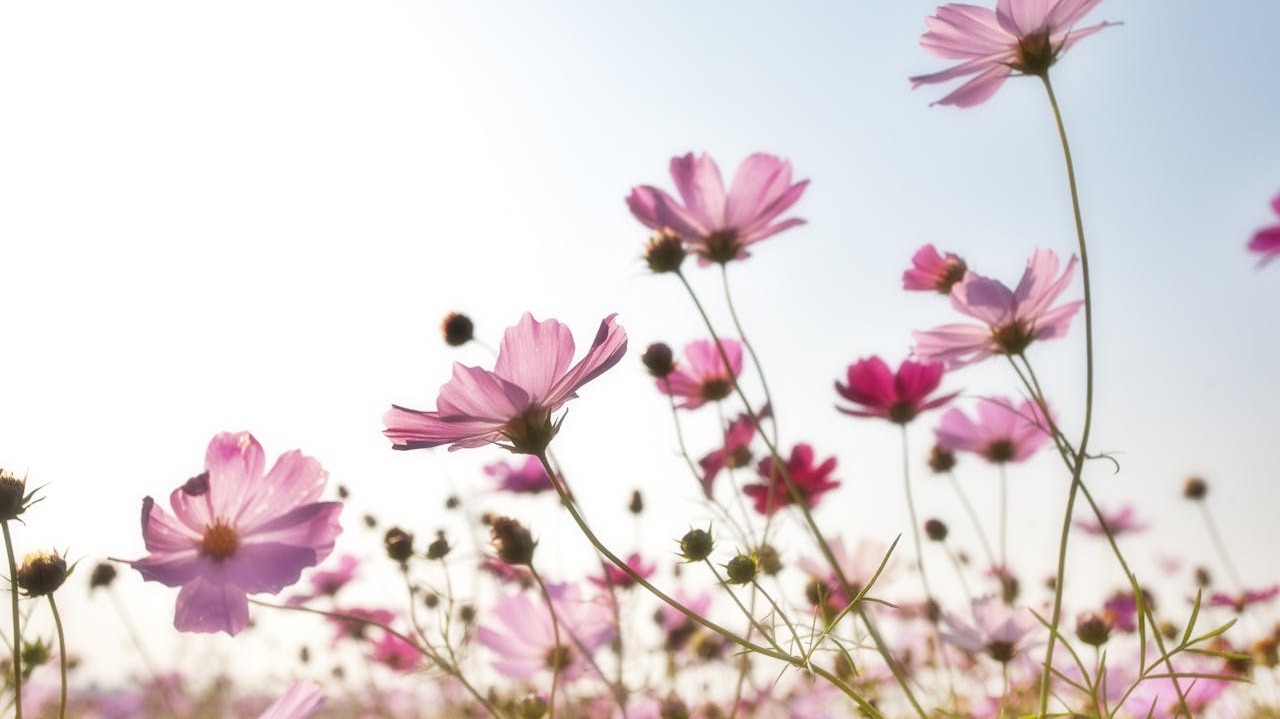
Flowering is one of the most important stages of plant growth. It requires a great deal of care in both ornamental and productive crops. During this phase, the quantity and quality of fruits or seeds are determined, so good environmental control and nutrition are essential.
Fruit development
After fertilisation occurs in the plant, it concentrates much of its energy on developing the fruit. This stage requires regular watering and adequate nutrients so that the fruit grows to a good size and structure.
Fruit ripening
The fruit reaches its final stage, developing its characteristic colour, flavour and texture. This is the moment before harvesting, and it is necessary to identify the optimum point of ripeness to ensure the best quality product.
Senescence
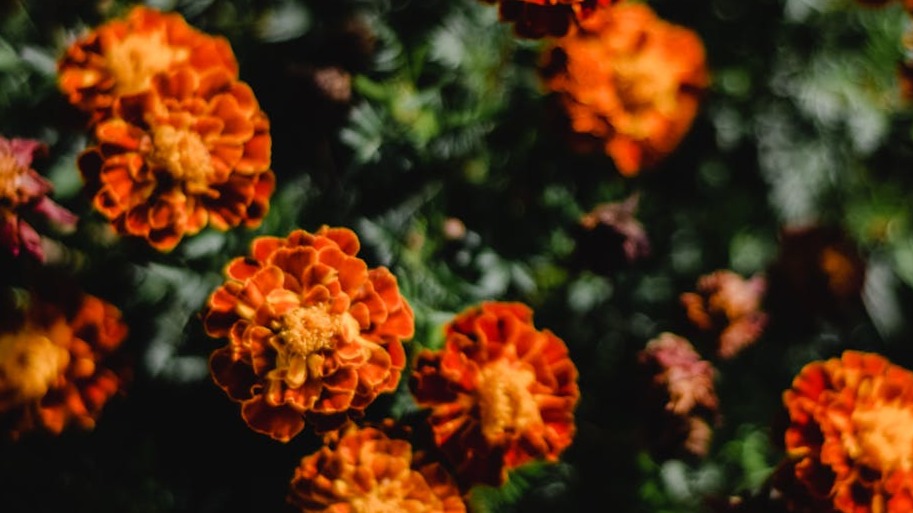
Senescence marks the end of the plant cycle. Metabolic activity gradually decreases and the plant completes its vital function. In annual crops, this stage indicates the end of the production process.
Best greenhouses for controlling plant growth
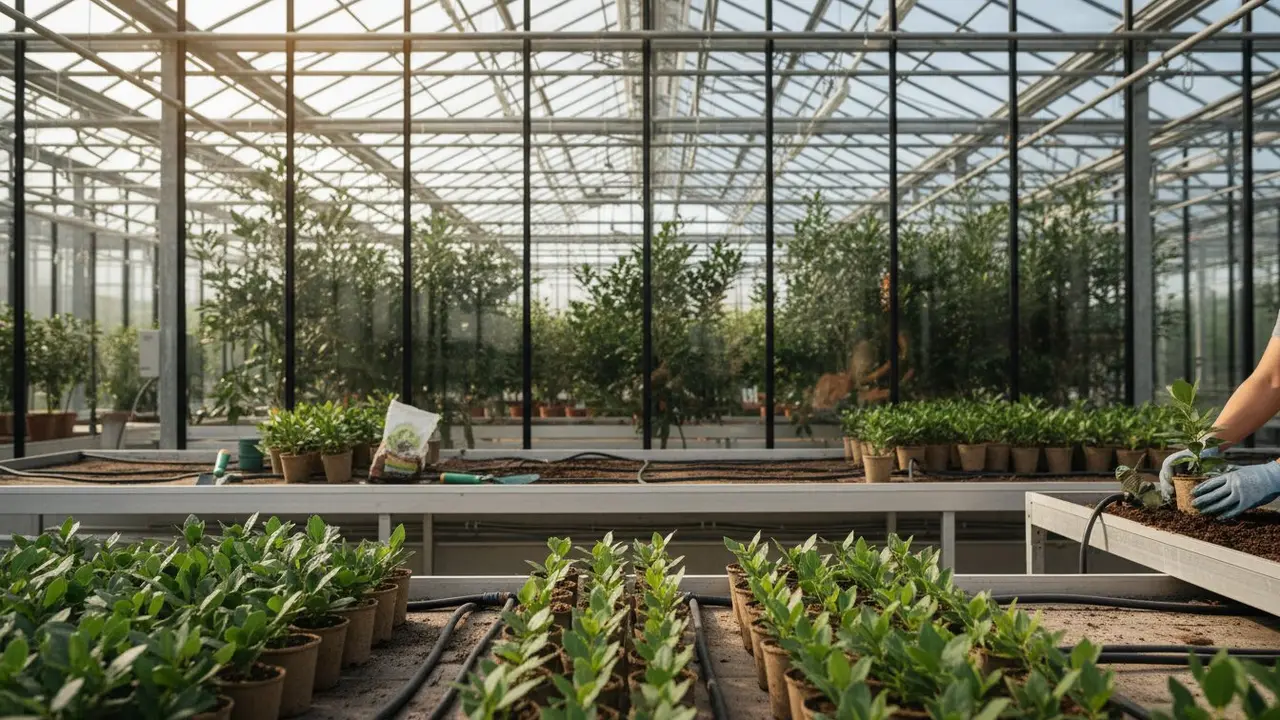
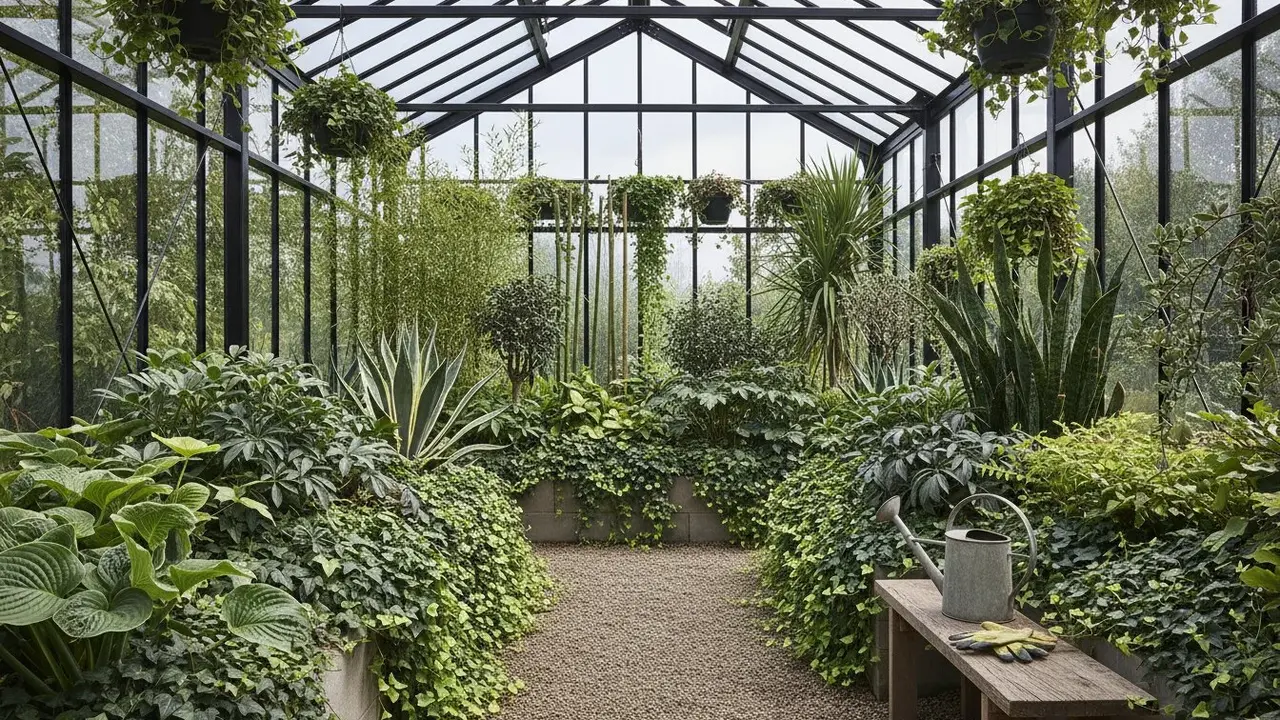
Greenhouses are considered a great tool for controlling the different stages of plant growth. In them, it is possible to organise crops of all kinds and provide them with the conditions that each one requires.
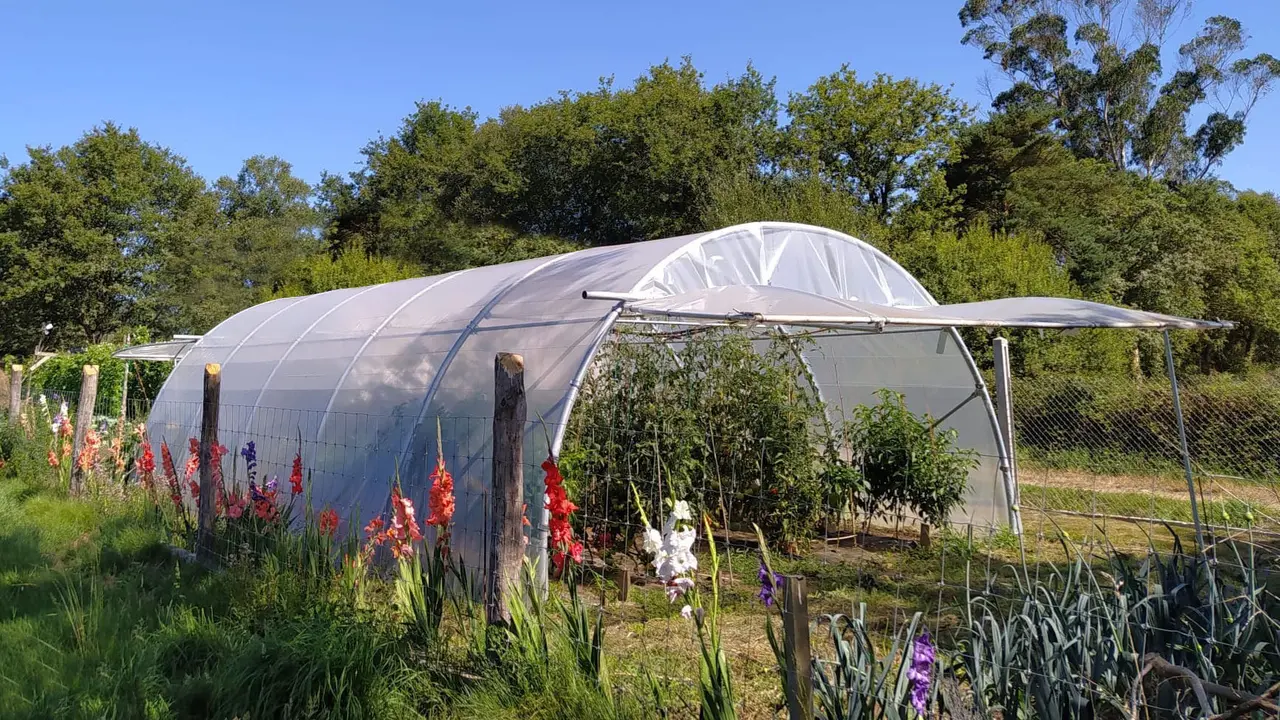
At FERTRI we have greenhouse models that are suitable for many agricultural and gardening projects. We have high-quality structures, such as the tunnel greenhouse, which you can use to protect small crops. Or perhaps you would prefer the straight walls tunnel, which is taller and allows you to make better use of the interior space.
Similarly, there are models such as the minitunnel greenhouse and the mini wide span greenhouse, which are versatile options for different crops that require climate stability or yield within medium-sized areas.
We invite you to review each one and choose the one that best suits your project. You can also contact us to receive personalised information.