What is tomato leafminer and how can you prevent it in your crops?
The tomato leafminer is a devastating pest that mainly affects tomato crops and other related crops. Knowing what the tomato leafminer is and how to spot it early is key to protecting your crop.
Here are the best strategies for preventing and managing this threat.
- What is the tomato leafminer or Tuta absoluta?
- Identifying the presence of the tuta moth in your crops and its symptoms
- Effective methods for preventing the tuta absoluta moth in your crops
- Techniques and treatments for the control and eradication of the tuta absoluta
- The best garden greenhouses for preventing tomato leafminers
What is the tomato leafminer or absolute leafminer?
The tomato leafminer or absolute leafminer, also known as the tomato leafminer moth, is a small moth native to South America that has spread across much of the world since the early 2000s. Its ability to reproduce rapidly and its voracious appetite make it one of the most destructive pests affecting tomato crops.

This insect is characterised by a rapid life cycle, which makes it difficult to control unless action is taken swiftly. Since its arrival in Europe, the tuta absoluta has caused significant losses in agricultural production, affecting both small vegetable gardens and large farms.
Crops affected by the absolute leafminer
Although its name refers to the tomato, this pest is not limited to it. It also attacks other solanaceous and cucurbitaceous crops such as:
- Aubergine
- Pepper
- Potato
- Cucumber
However, it is on tomato plants that it causes the most severe damage, jeopardising both the quality and quantity of the crop.
The economic and agricultural impact of the pest
The consequences of an infestation by Tuta absoluta are extremely serious. It has been documented that it can reduce yields by up to 80% if not properly controlled. This results in losses running into millions for farmers, as well as increased costs for treatments and crop losses.
Furthermore, the presence of this pest affects the quality of the fruit, causing visible damage that impacts its marketability and storage. For this reason, understanding what the tomato leafminer is and how to manage it is crucial for any grower.
Identifying the presence of the tuta moth in your crops and its symptoms
Visible symptoms on leaves, stems and fruit
Detecting the tuta absoluta in good time involves recognising the signs it leaves on the plant. The main symptoms include:

- Galleries and tunnels in leaves and stems, where the caterpillar feeds by boring into the internal tissue.
- Black spots on fruit and stems, which are the entry points for the larvae.
- Fruits with holes and deformities, showing signs of wilting and, in some cases, rot.
These lesions weaken the plant and can be mistaken for damage caused by other pests, so a careful inspection is necessary.
Distinguishing between caterpillars and moths
The cannabis plant has two stages that are visible to the grower:
- Caterpillar: a small, greenish larval stage that feeds actively by burrowing tunnels inside the plant.
- Moth: adult, a small, greyish-brown insect responsible for laying eggs to perpetuate the infestation.
It is the caterpillar that causes the direct damage, but the moth is key to its reproduction and spread.
Consequences of damage to the plant and fruit
When the tuta absoluta moth attacks, the plant loses vigour and its ability to produce fruit. Affected leaves are unable to photosynthesise properly, and damaged fruit is unsuitable for sale or consumption.
Furthermore, the presence of wounds makes it easier for secondary diseases to take hold, which can further exacerbate the situation. That is why it is vital to identify tomato leafminer quickly in order to prevent irreversible damage.
Effective methods for preventing the tuta absoluta moth in your crops
Cultural and crop management practices
Prevention is the best defence against the tuta absoluta. Some recommended practices include:
- Crop rotation to prevent the pest from becoming established permanently.
- Removal of infected plant debris that may harbour larvae.
- Maintaining a clean environment free from weeds that could provide shelter.
- Plant at times of year that make it difficult for the pest to thrive.
Use of physical barriers and traps
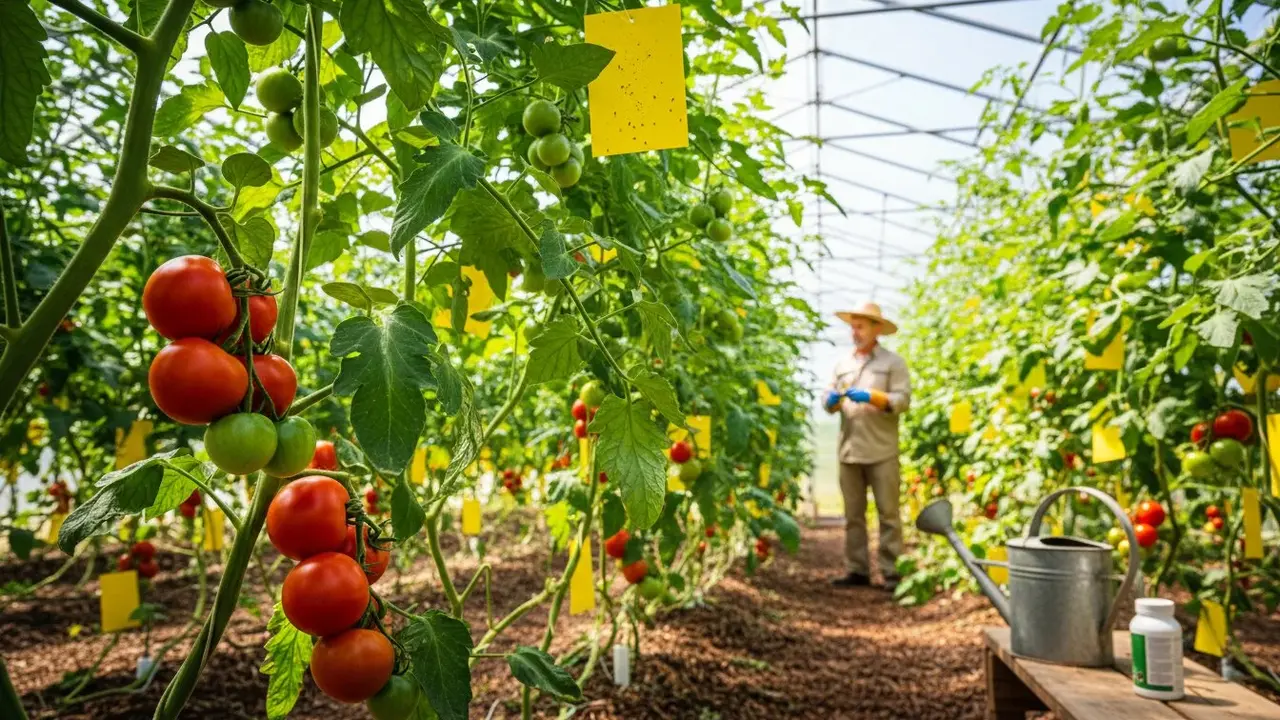
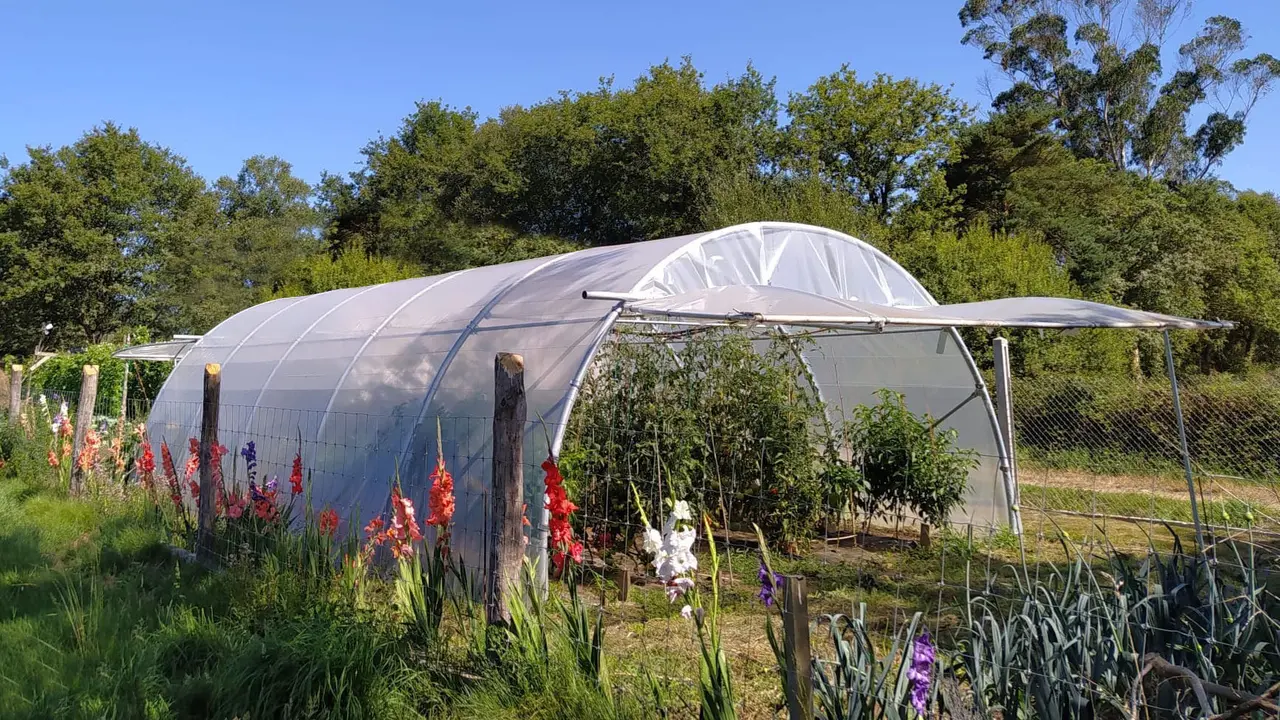
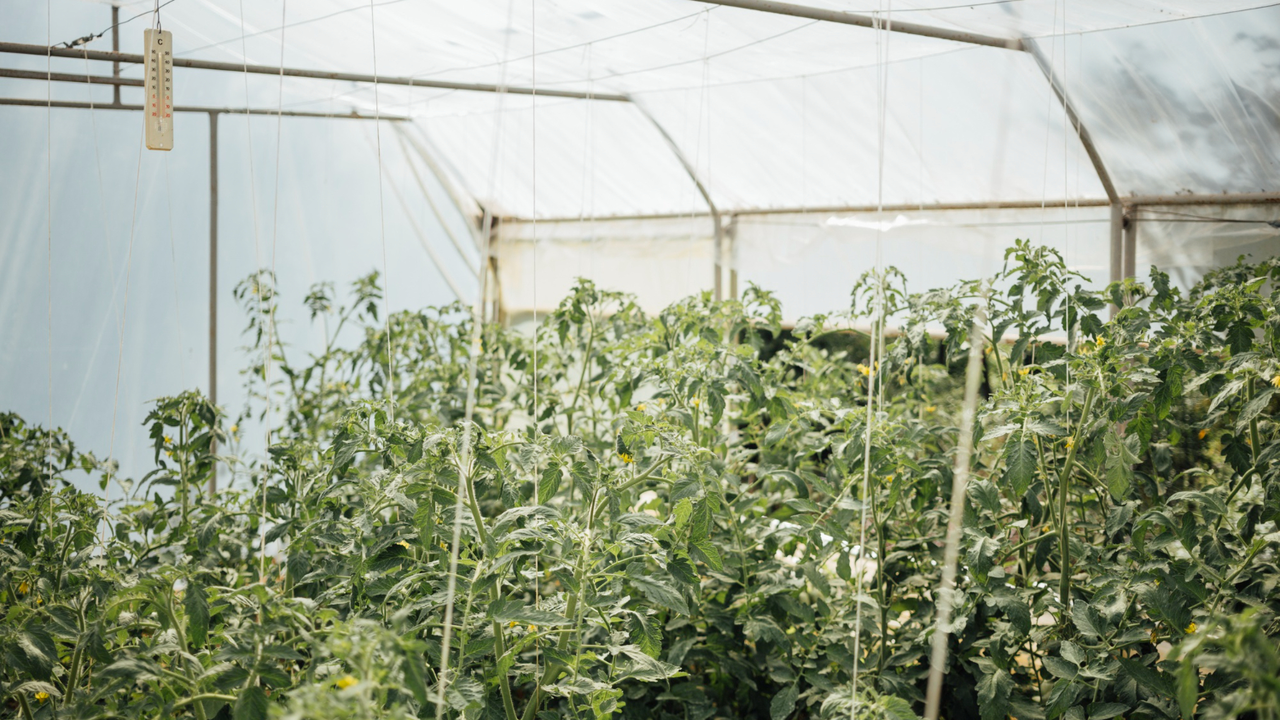
Installing garden greenhouses is an effective way of protecting crops from moths, creating a physical barrier that prevents them from getting in.

Within this category, models such as the tunnel greenhouse, the straight walls tunnel greenhouse and the minitunnel greenhouse stand out; these are particularly recommended for controlling flying pests and minimising the incidence of the tomato leafminer.
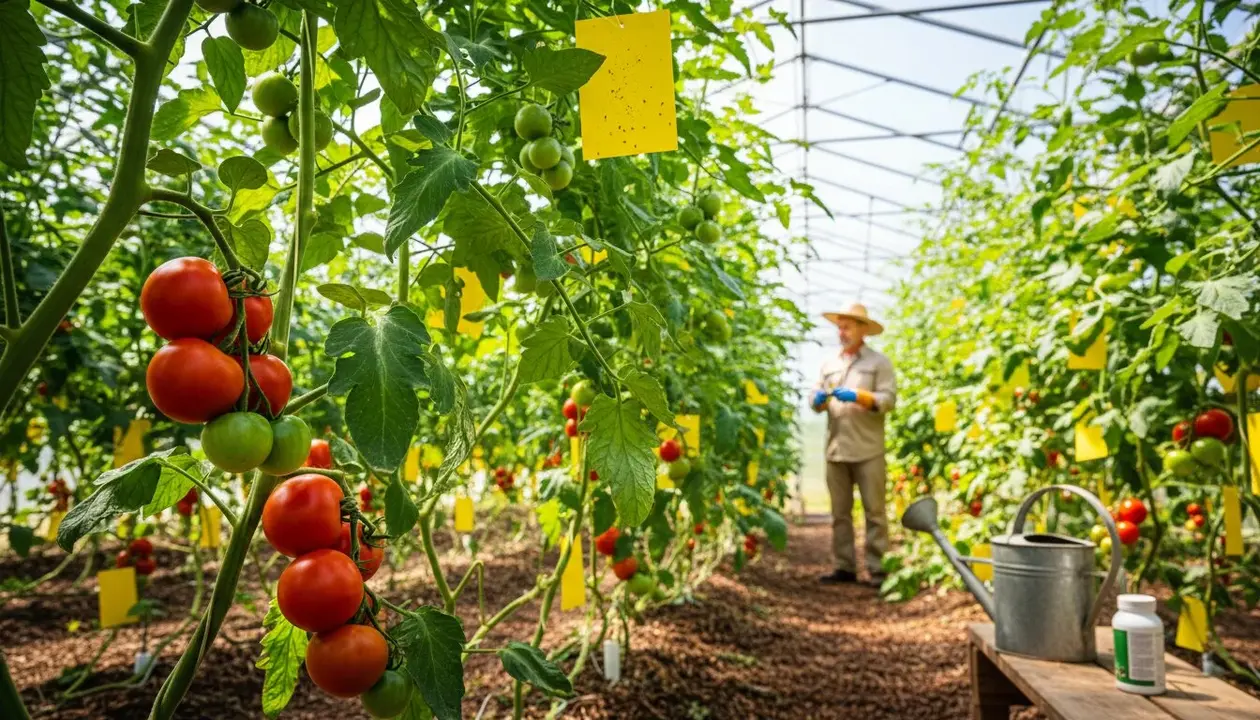
In addition, colour traps and pheromones can help to detect and reduce the adult moth population.
The importance of monitoring and early detection
Regular monitoring allows the presence of the pest to be detected before it causes serious damage. It is recommended that you regularly check leaves and fruit for the first signs of infestation.
Using pheromone traps to catch adult moths is a simple and effective way to stay one step ahead of the problem and take timely action.
Techniques and treatments for the control and eradication of the tuta absoluta
Chemical treatments: benefits and precautions
Once an infestation has taken hold, chemical treatments may be necessary to halt its spread. However, they must be used with caution to prevent resistance and damage to the ecosystem.
It is essential to choose approved products, follow the application instructions and observe the pre-harvest intervals.
Biological control and ecological methods
There are natural enemies of the tuta absoluta, such as certain predatory and parasitoid insects, which can be incorporated into crop management to keep the pest under control.
The use of organic products, plant extracts or specific microorganisms also offers a sustainable and less environmentally harmful alternative.
Integration of methods for sustainable management
Success in controlling the tomato leafminer requires a combination of strategies. For example, maintaining constant monitoring, implementing cultural practices, using greenhouses and physical barriers, and supplementing these with chemical or biological treatments where necessary.
This approach reduces reliance on pesticides and improves crop health in the long term.
The best garden greenhouses for preventing tomato leafminers
FERTRI’s garden greenhouses offer a practical and effective solution for protecting your crops from the tuta absoluta moth. With these structures, you can better control environmental conditions, creating an environment less conducive to the pest and ensuring healthier growth for your plants.
Notable models include the tunnel greenhouse, the straight walls tunnel greenhouse and the minitunnel greenhouse, all designed to provide effective protection against flying insects and to facilitate crop management.
We invite you to take a look at each model so you can choose the one that best suits your project. And if you have any further questions, you can contact us and we’ll be happy to advise you.