What to plant in April? Planting calendar and recommendations
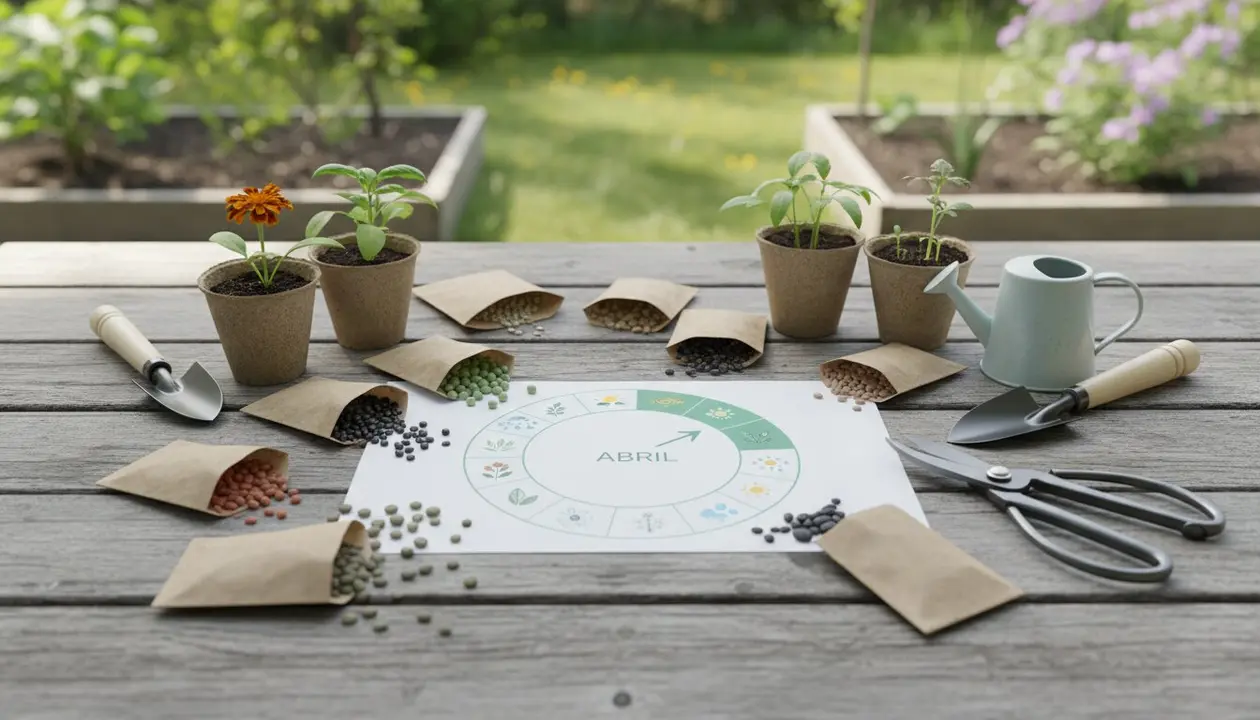
April is the perfect time to start preparing and planting your vegetable garden with spring and summer crops.
Here you’ll find what to plant in April, key tasks and tips to help your plants grow strong and healthy.
- Preparing the vegetable garden and essential tasks in April
- Sowing calendar: what to plant in April according to the method
- Caring for and maintaining your vegetable garden in April to ensure healthy growth
- Practical tips and resources to improve your April sowing
- The best greenhouses for your April crops
Preparing the vegetable garden and essential tasks in April
Before you start planting, you need to get the ground ready for action. Whether it’s a large garden or a small corner of the terrace, preparing the soil is essential. Clear the area thoroughly of weeds and debris from previous crops. Add a good amount of compost to enrich the soil and improve its structure.
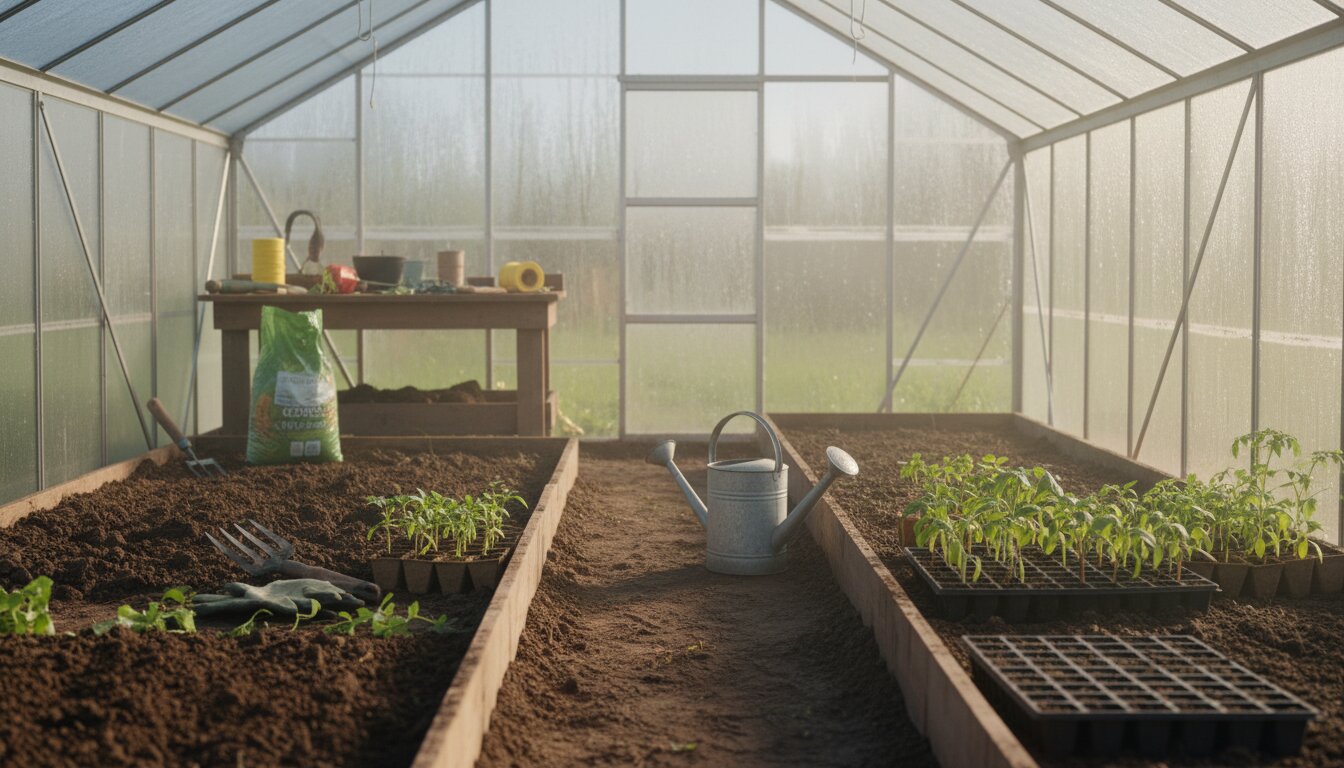
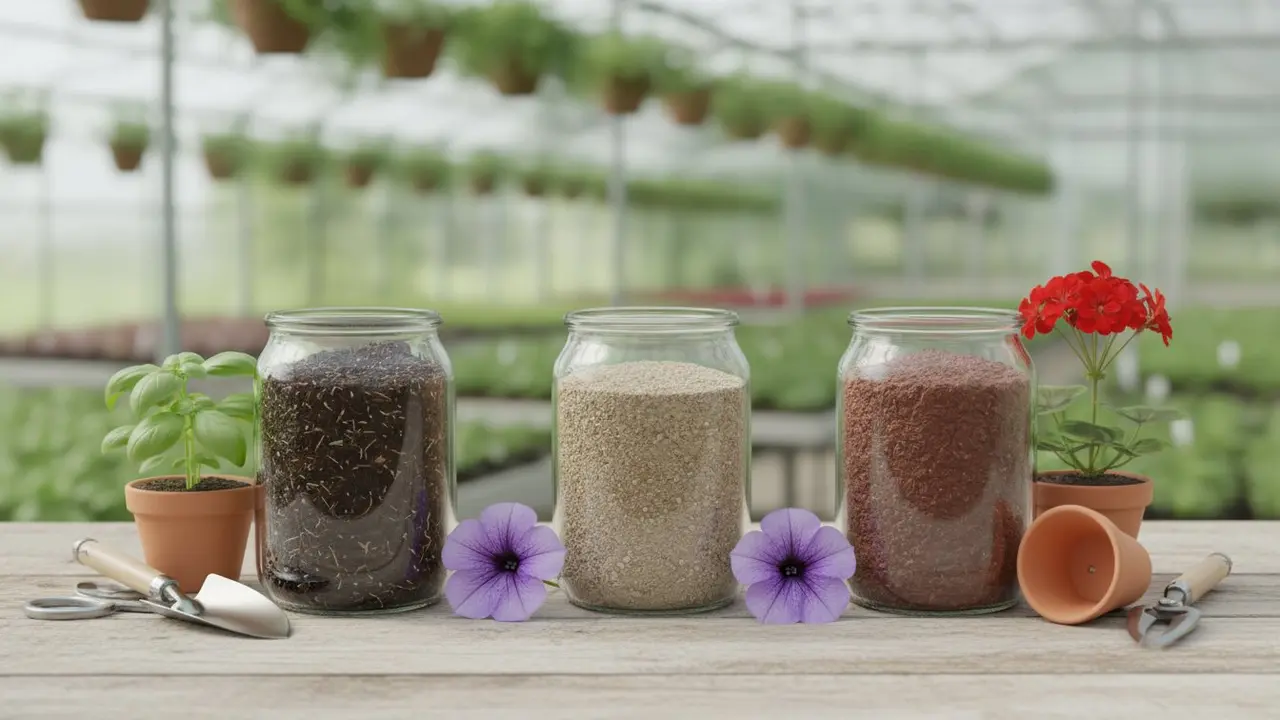
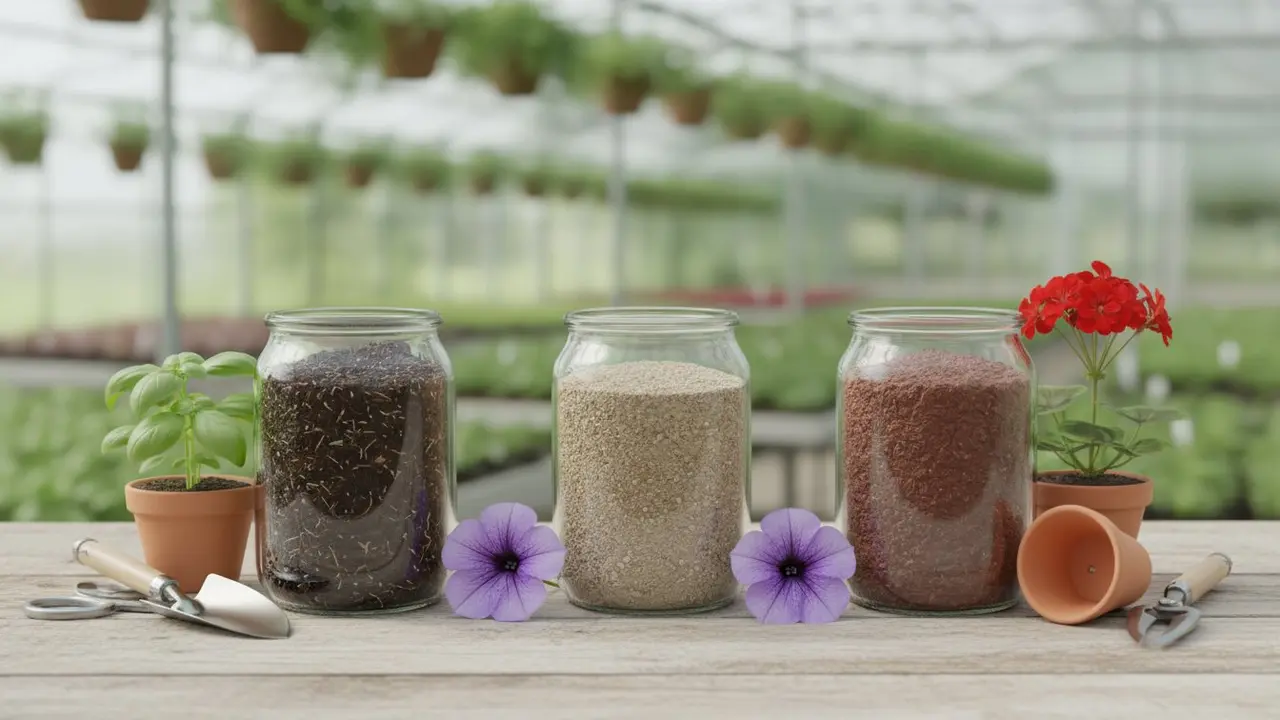
In urban gardens or container gardens, the growing medium takes centre stage. It is advisable to opt for lightweight mixes with good water and nutrient retention, such as a combination of 40% worm compost and 60% coconut fibre. Avoid cheap, low-quality growing media, which may contain heavy metals and harm your plants.
Design and planning of the vegetable garden for spring and summer
Planning a vegetable garden isn’t just about arranging plants at random. Think about crop rotation, which plants need more space, and how to make the most of every corner. Arrange the beds so that taller plants don’t block out the shorter ones, and take into account each variety’s watering and sunlight requirements. A good layout makes maintenance easier and ensures a healthier, more abundant harvest.
Frost protection and hardening off of seedlings
Although spring is well underway, late frosts can still catch you off guard. Protect your seedbeds and young seedlings with thermal blankets, cut-off plastic bottles or lightweight covers such as polytunnels or protective plastic sheeting. Also, start taking the seedbeds outside for a few hours a day so that they gradually get used to the sun and wind, a process known as hardening off, which is vital to prevent them from becoming stressed when transplanted.
Sowing calendar: what to plant in April according to the method
Crops for direct drilling in April
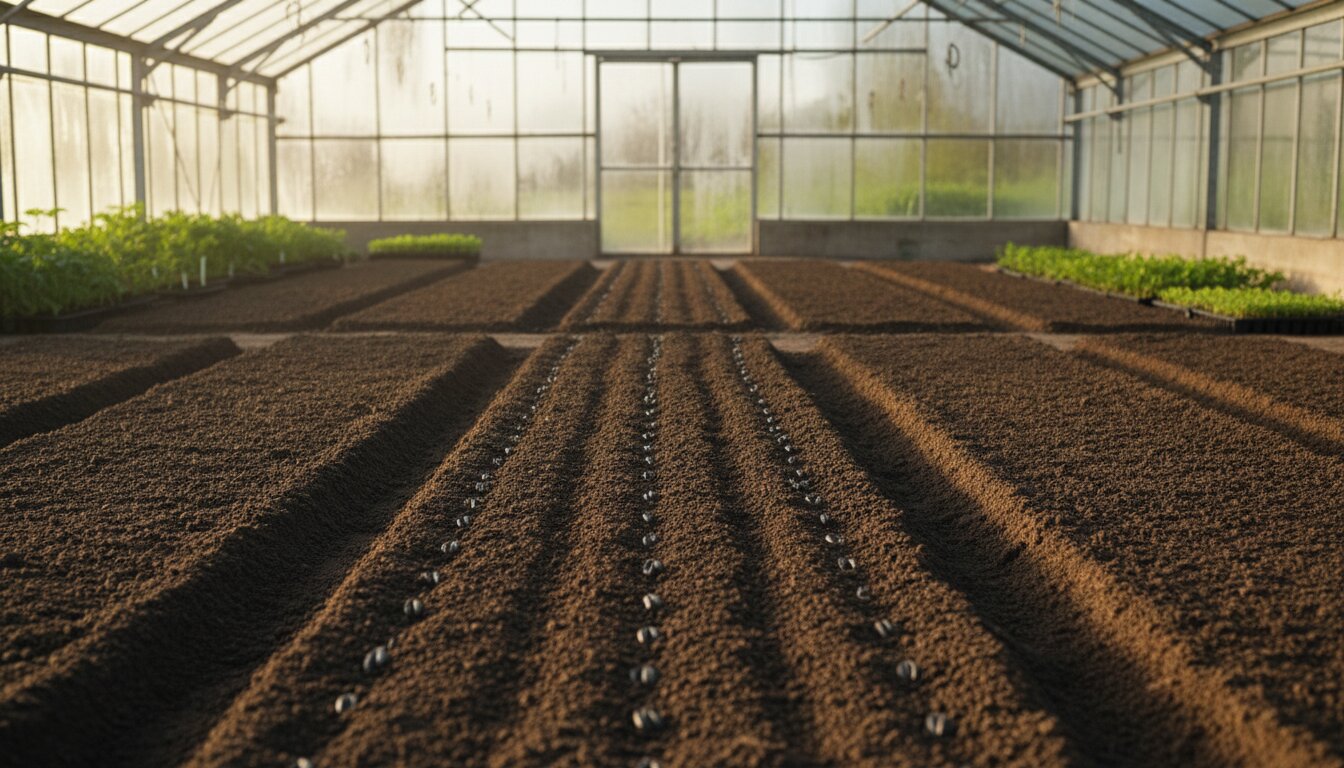
In April, many seeds can be sown directly into the ground, especially those that can tolerate the initial coolness of spring. Some of the most common are:
- Yellow chard
- Parsley
- Spinach
- Radish
- Carrot
- Beetroot
- Cardo
- Courgette
- Pumpkin
- Peas
These crops usually require moist, well-prepared soil to germinate successfully. Bear in mind that, after germination, some plants such as carrots or radishes need to be thinned out to allow enough space.
Crops for seedbeds and subsequent transplanting
Other crops are best started in seedbeds and then transferred to the vegetable patch once the seedlings are stronger. These include:
- Tomato
- Pepper
- Aubergine
- Lettuce
- Apio
- Onion
- Leek
- Melon
- Watermelon
- Cucumber
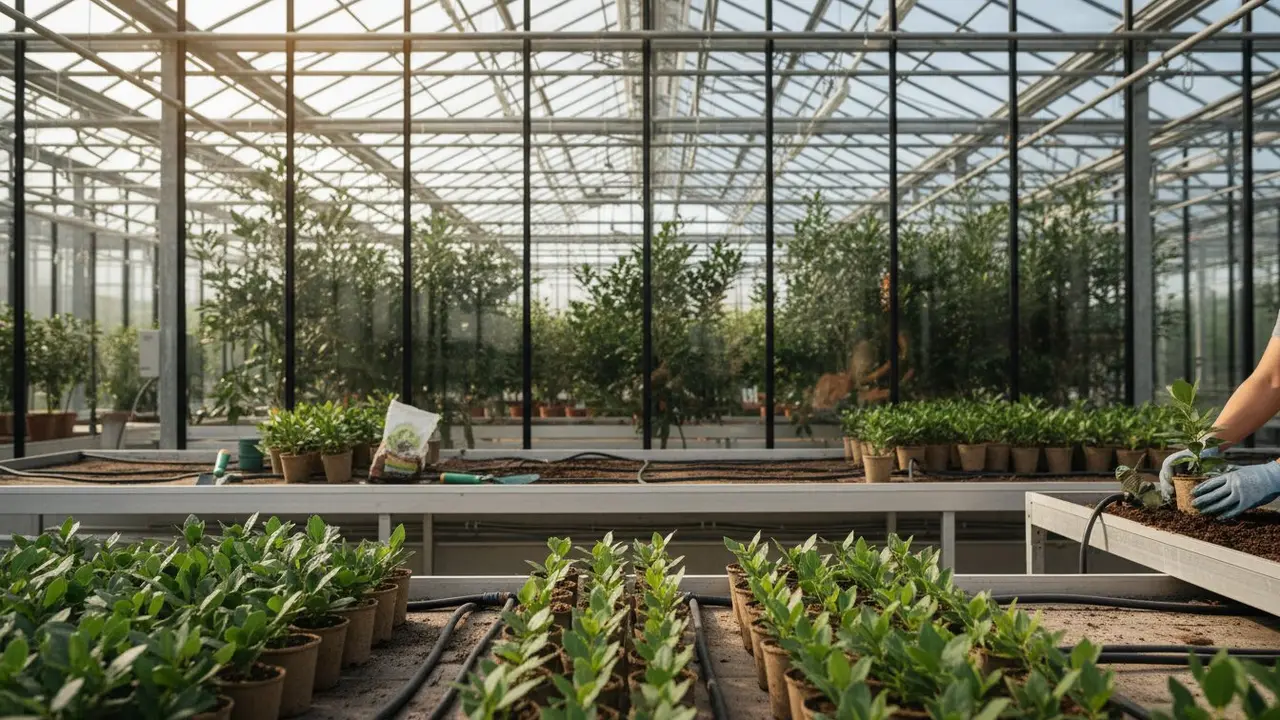
Transplanting should be done when the plants have at least 4–6 leaves and the weather conditions are stable. Remember to use high-quality growing media for the seedbeds and keep them moist but not waterlogged.
Protected sowing and precautions for cold-sensitive crops
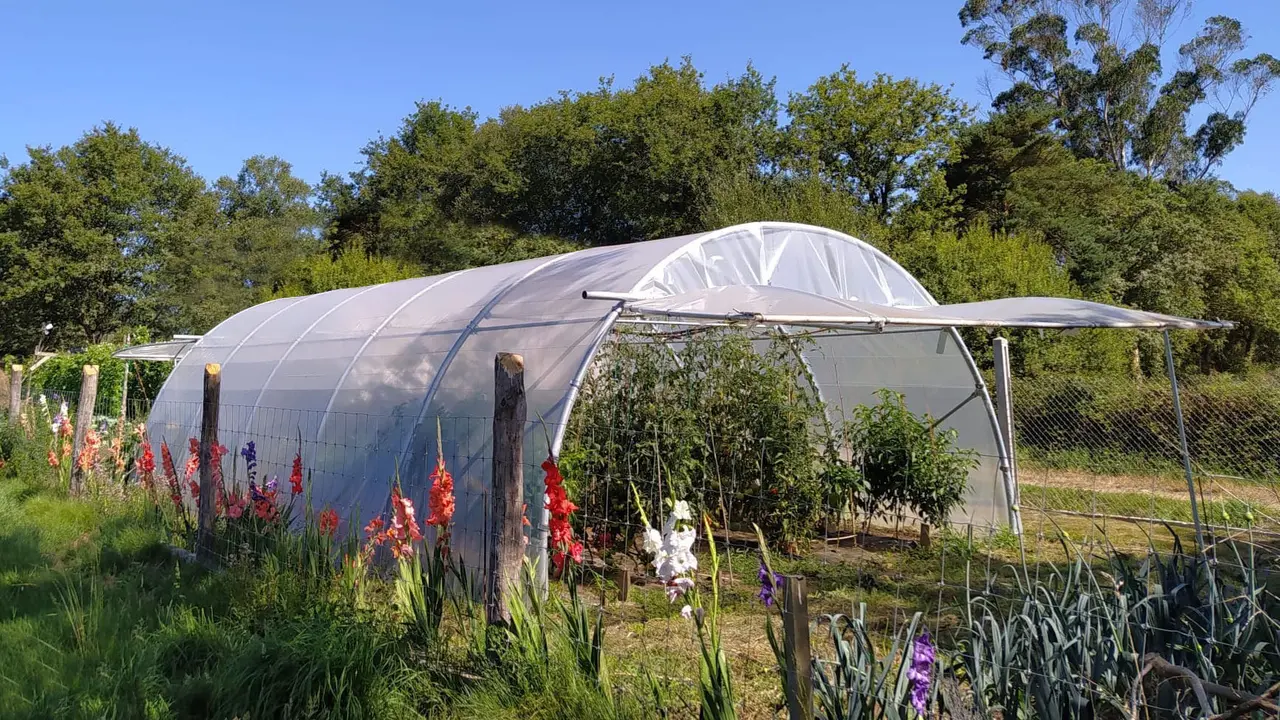
Some crops, such as cucumbers, beans and peppers, do not tolerate low temperatures or frost well, so it is best to wait until late April or to sow them under cover. This is where a tunnel greenhouse or a straight walls tunnel greenhouse can make all the difference, by providing a more stable and warmer microclimate for these delicate plants.
Care and maintenance of the vegetable garden in April to ensure healthy growth
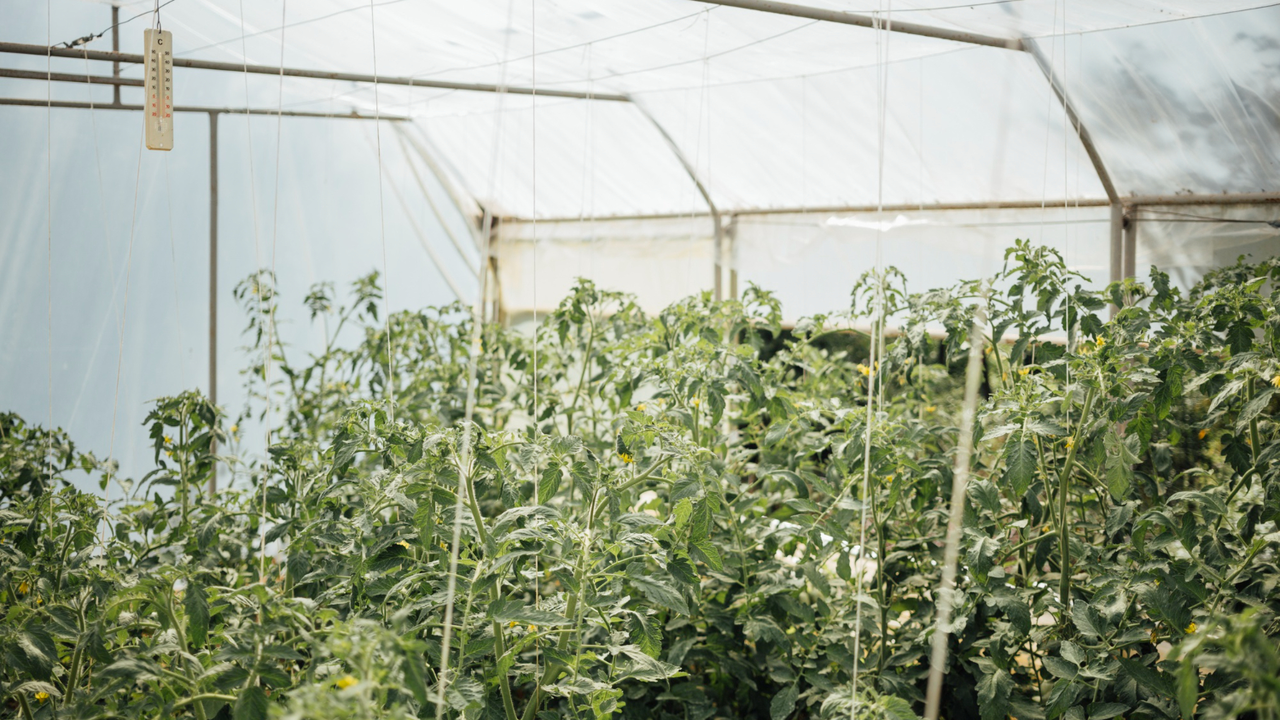
In April, it is essential to set up supports for plants that grow tall or climb, such as tomatoes, beans or peas. Installing stakes, canes or netting helps to keep them upright, prevents them from being damaged and improves air circulation, thereby reducing the risk of disease.
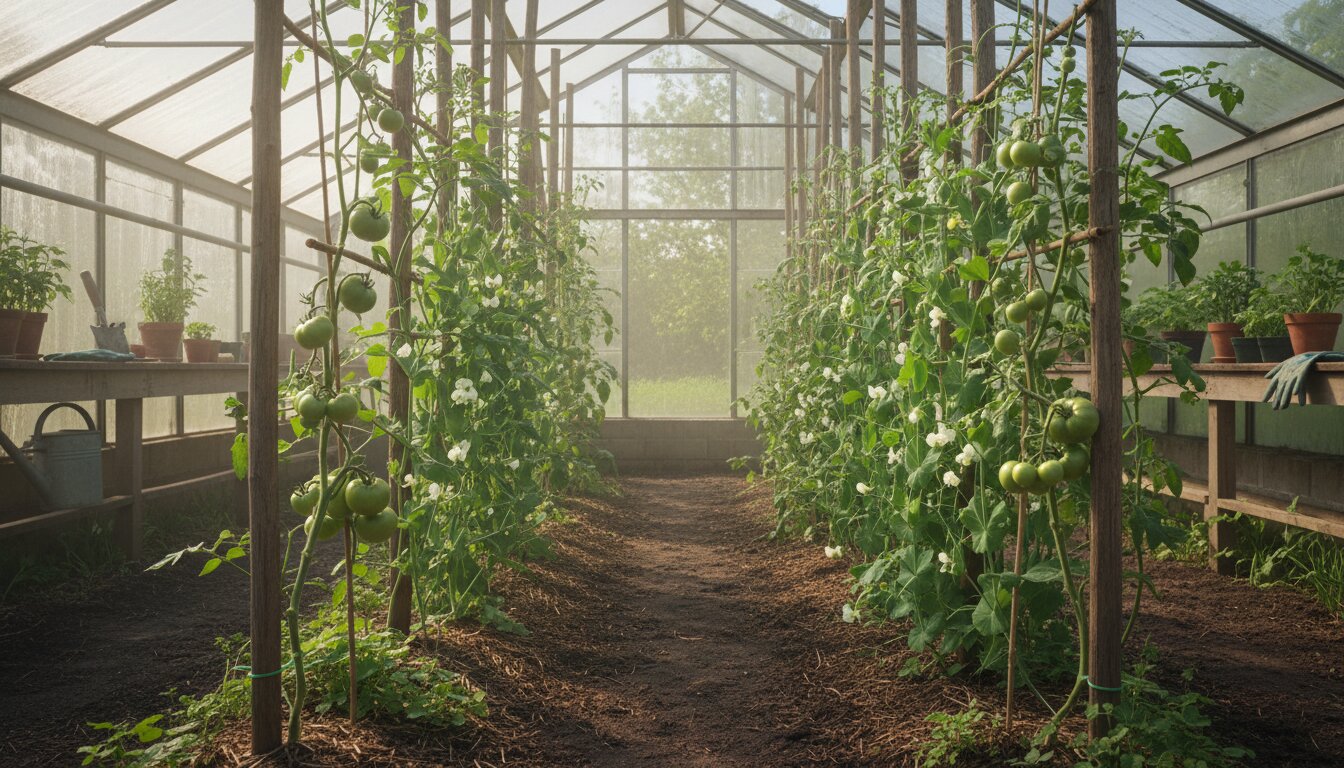
As temperatures rise, watering becomes essential. It’s a good idea to set up a drip irrigation system or schedule regular watering to keep the soil moist without causing waterlogging. The key is to adjust the frequency and amount according to the crop and the weather.
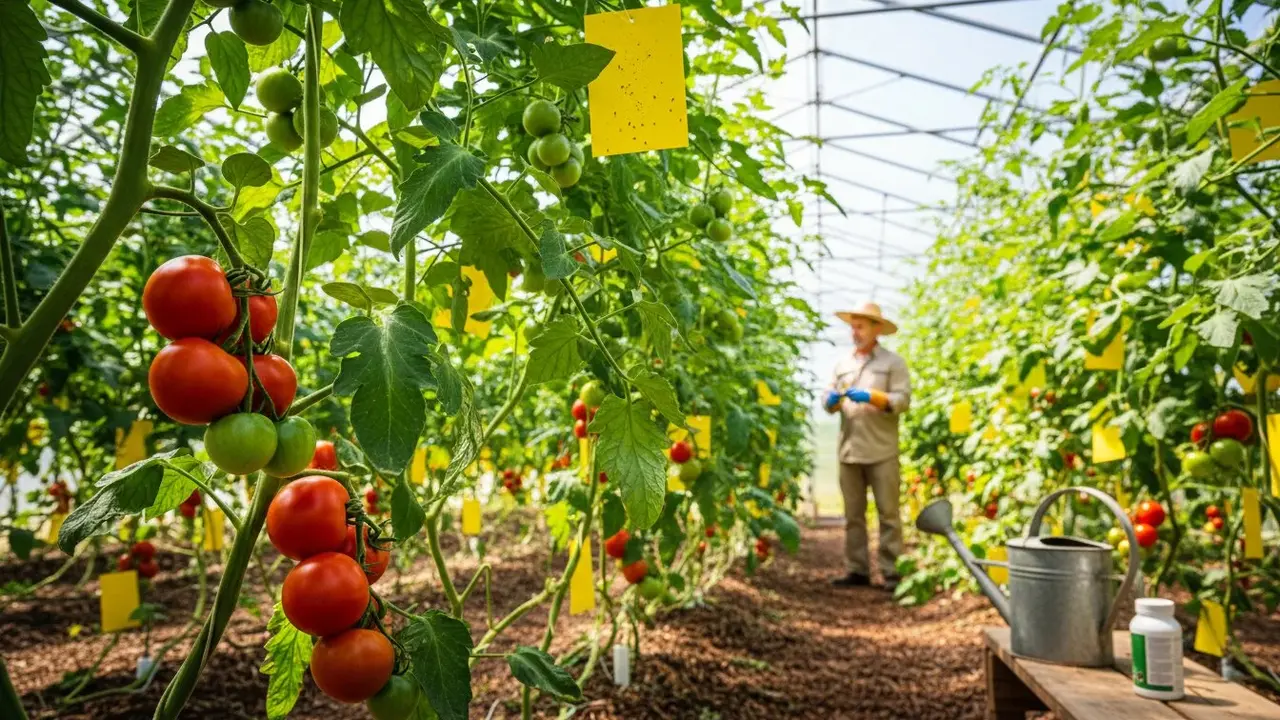
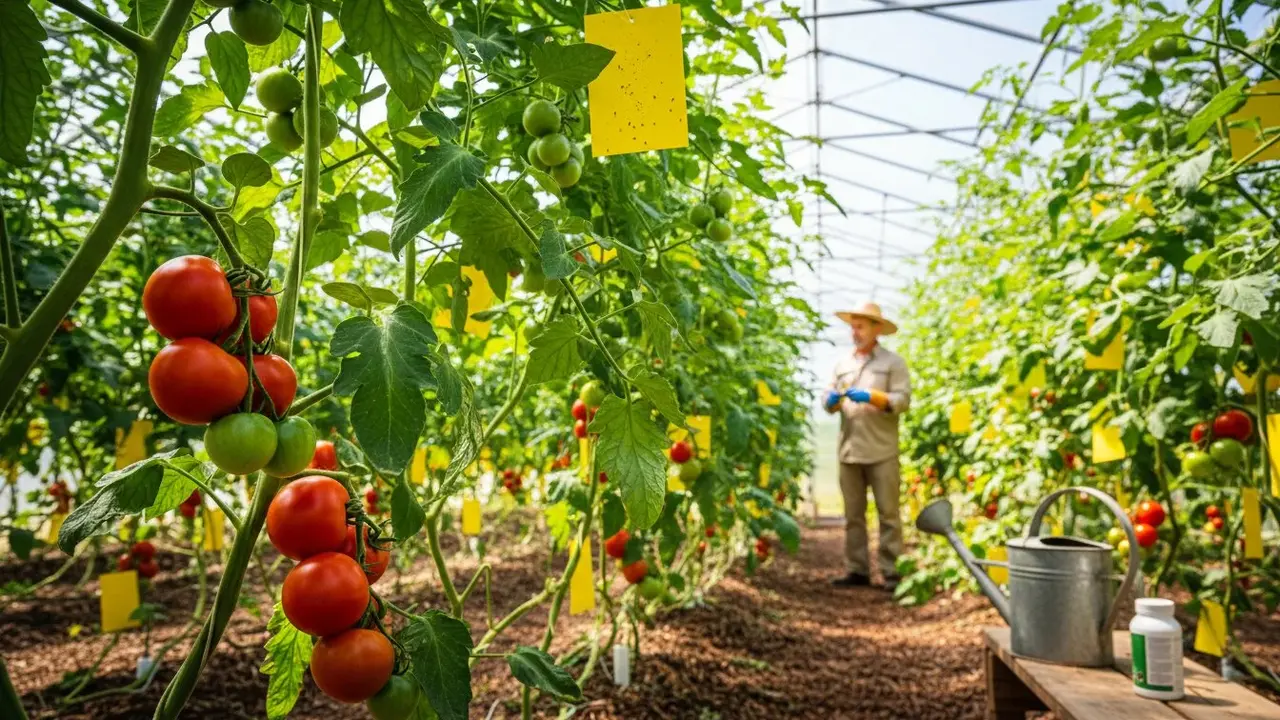
Good weather also brings with it common pests such as aphids and whitefly. Keep an eye on your vegetable patch and apply natural preventive treatments, such as nettle tea or potassium soap, to prevent damage. Prevention is better than cure, especially in the early stages.
Practical tips and resources to improve your April sowing
Using sowing calendars and monthly planning
To make sure you don’t get lost amidst all the crops, sowing calendars are an essential tool. They let you know what to plant each week and help you plan transplants and crop rotations. You can find downloadable calendars to help you organise yourself better.
Recommended tools and materials for the vegetable garden in April
As well as high-quality growing media and compost, consider using tools such as sturdy gloves, watering cans with a fine spray nozzle, and protective systems such as minitunnels greenhouses. These mini-tunnels are ideal for protecting seedbeds and seedlings in confined spaces.
Getting started with vegetable gardening in April: tips for beginners
If you’re just starting out, April is the perfect month to get started. Begin with easy-to-grow crops such as lettuce, radishes or spinach. Don’t overwhelm yourself with too many varieties; instead, learn by observing how your plants respond. With patience and a bit of practice, your vegetable garden will grow alongside you.
The best greenhouses for your April crops
FERTRI's garden greenhouses are a great help in protecting and improving your crops during April. Standout options include the tunnel greenhouse, ideal for creating a warm and stable environment; the straight walls tunnel greenhouse, which offers more space and convenience; and the minitunnel greenhouse, perfect for small spaces or seedbeds.
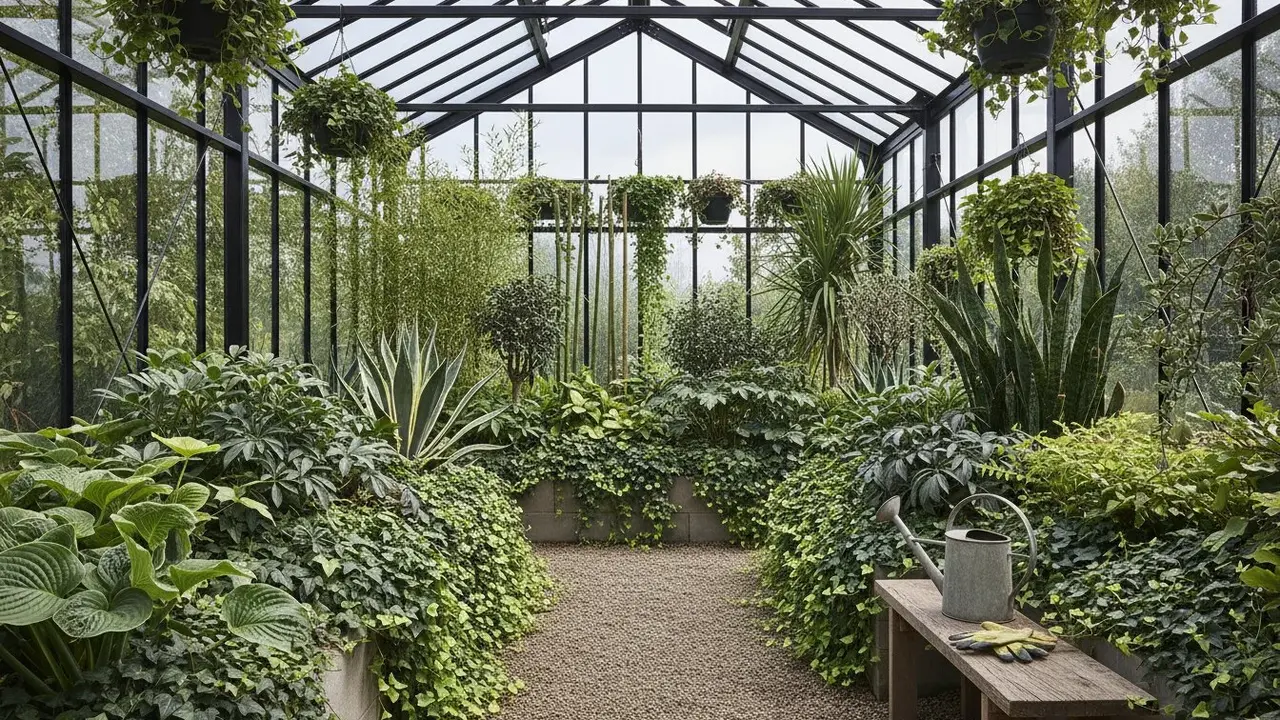
With a greenhouse, you can better control the temperature and humidity, protect your plants from frost or heavy rain, and encourage optimal growth during this crucial period.
We invite you to take a look at each model so you can choose the one that best suits your project. And if you have any further questions, you can contact us and we’ll be happy to advise you.