What type of soil should you choose for growing plants and flowers?
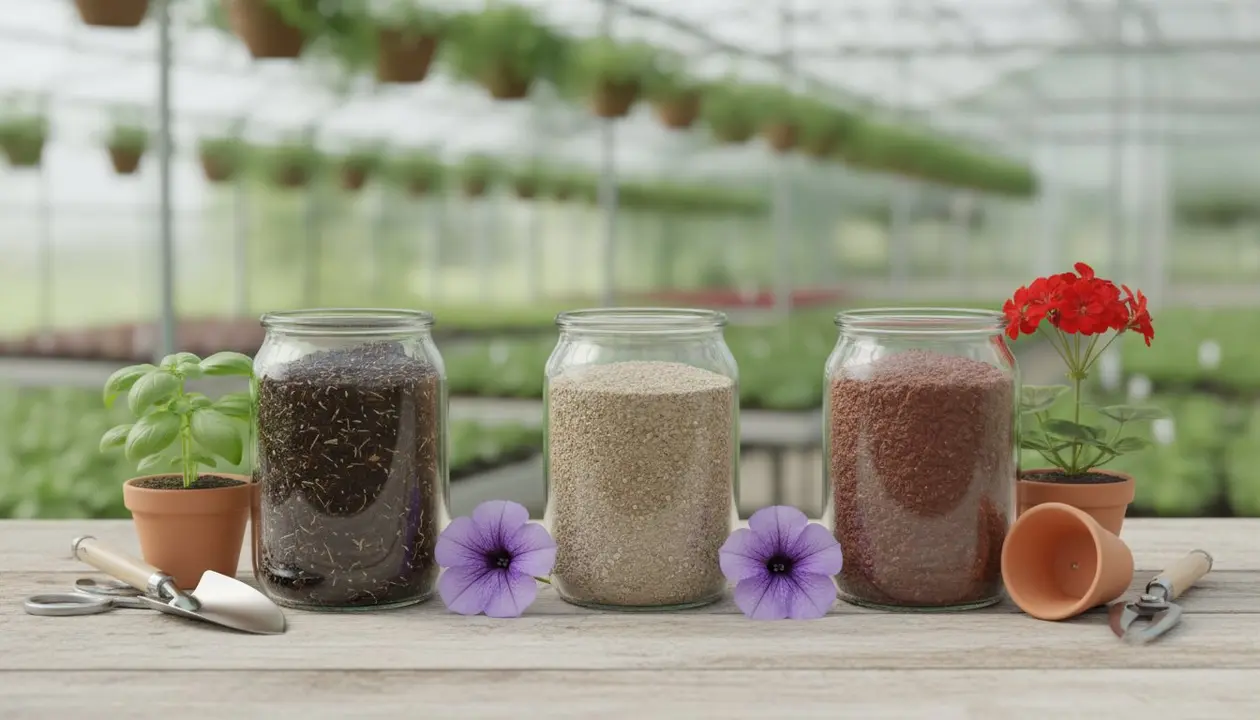
Choosing the right type of soil is key to successfully growing plants and flowers. Not all soils are the same, and each species requires a specific growing medium that promotes its growth.
In this article, we explain how to choose the best potting soil based on your plants’ needs.
- Why does the type of soil have such a big impact on plant growth?
- Essential characteristics that potting soil should have
- How to identify your plants' specific needs
- Types of soil and growing media for growing plants and flowers
- Additives and supplements to improve the soil for your plants
- How to choose and prepare the ideal soil for your plants and flowers
- Garden greenhouses for growing plants and flowers
Why does the type of soil have such a big impact on plant growth?
The type of soil determines plants’ ability to absorb water, nutrients and oxygen – elements that are essential for their development. Soil that does not meet the specific needs of each plant can seriously affect its health and growth. It also influences resistance to pests and diseases, as a good growing medium strengthens natural defences.

Key characteristics that potting soil should have
For the soil to be suitable, it must strike a balance between drainage and water retention, contain the necessary nutrients and allow for proper root aeration. It must also have a pH level suited to the requirements of each species and a texture that facilitates root growth. If any of these properties are lacking, the crop may suffer.
How to identify your plants’ specific needs
Every plant is unique, and they don’t all have the same requirements. The first step is to find out whether your plant prefers acidic, neutral or alkaline soil. For example, hydrangeas thrive best in acidic soil, whilst cacti require well-drained soil with low moisture retention. Observing the plant’s natural growth habit and consulting specialist sources will help you choose the most suitable plant soil.
Types of soil and growing media for growing plants and flowers
Universal substrates: the most versatile option
Universal potting mixes are designed to suit most plants and uses, offering a balance of nutrients, drainage and aeration. They are ideal for those looking for a practical and effective solution without any fuss. One example is Geolia potting mix, which is peat-free to reduce environmental impact and contains added organic matter.

Specialised substrates for specific requirements
There are soils specifically designed to meet the particular needs of certain plants, such as substrates for foliage plants, flowering plants, cacti or vegetable gardens. These provide nutrients and specific conditions to promote growth or flowering, such as higher organic matter content or improved drainage.
Types of soil according to their texture and composition
Soil texture has a direct impact on water retention and aeration. For example:
- Clay soil: retains a lot of water but can become compacted.
- Sandy soil: drains quickly but loses nutrients.
- Loamy soil: a good balance between water retention and drainage.
Understanding this classification will help you choose or improve the type of soil for your plants.
Additives and supplements to improve the soil for your plants
Mulch: improves soil structure and fertility
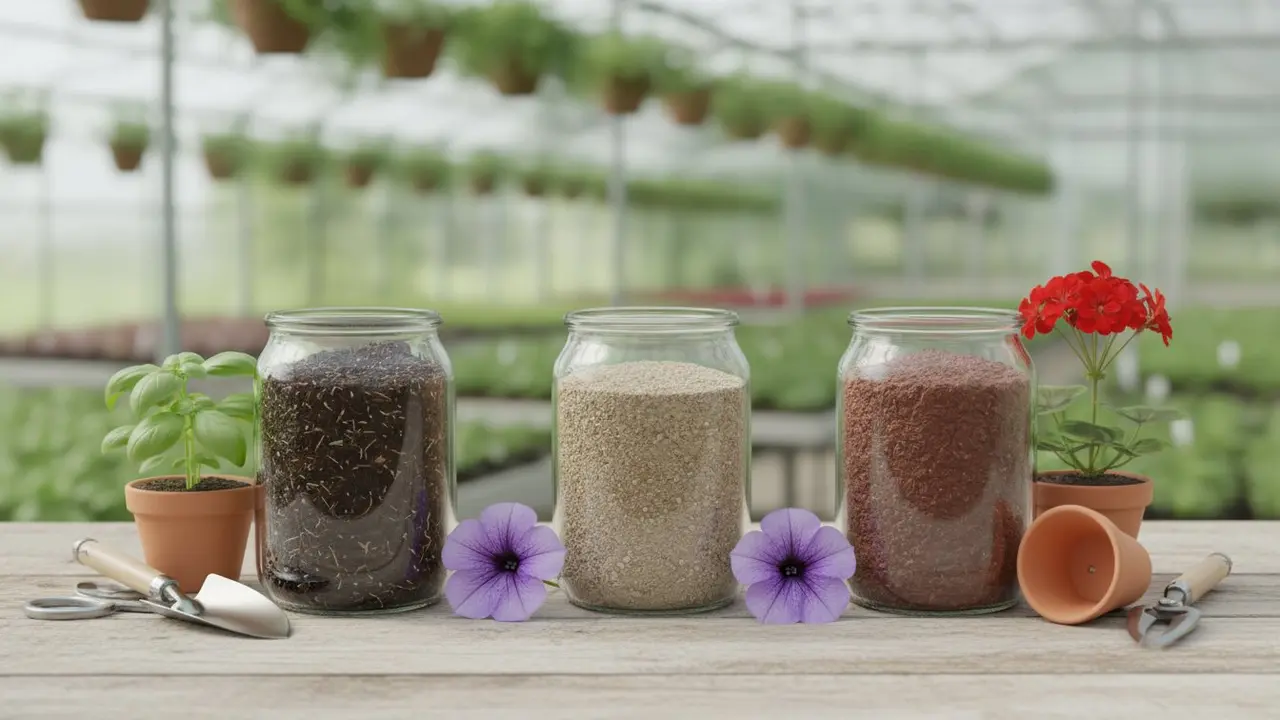
Compost is decomposed organic matter that is added to enrich the soil and improve its structure. It promotes aeration and acts as a store of nutrients, which is particularly useful in clayey or sandy soils.
Perlite and expanded clay: allies for drainage and aeration
These mineral components are ideal for preventing excess moisture and improving oxygenation around the roots. Perlite is light and porous, whilst expanded clay helps improve drainage, preventing waterlogging that can damage the plant.
Pine bark and volcanic clay: moisture control and decoration
Pine bark retains moisture and protects the soil, as well as adding acidity if the plant requires it. Volcanic clay not only improves aeration and drainage but also adds an interesting decorative touch to the garden.
How to choose and prepare the ideal soil for your plants and flowers
Assess the needs of your plants and their environment
Before choosing your growing medium, assess the characteristics of the space where you’ll be growing your plants and their specific requirements in terms of pH, drainage and nutrients. This step helps you avoid common mistakes, such as using soil that isn’t suitable for the type of plant or climate.
Combining growing media and soil amendments to achieve a balanced soil
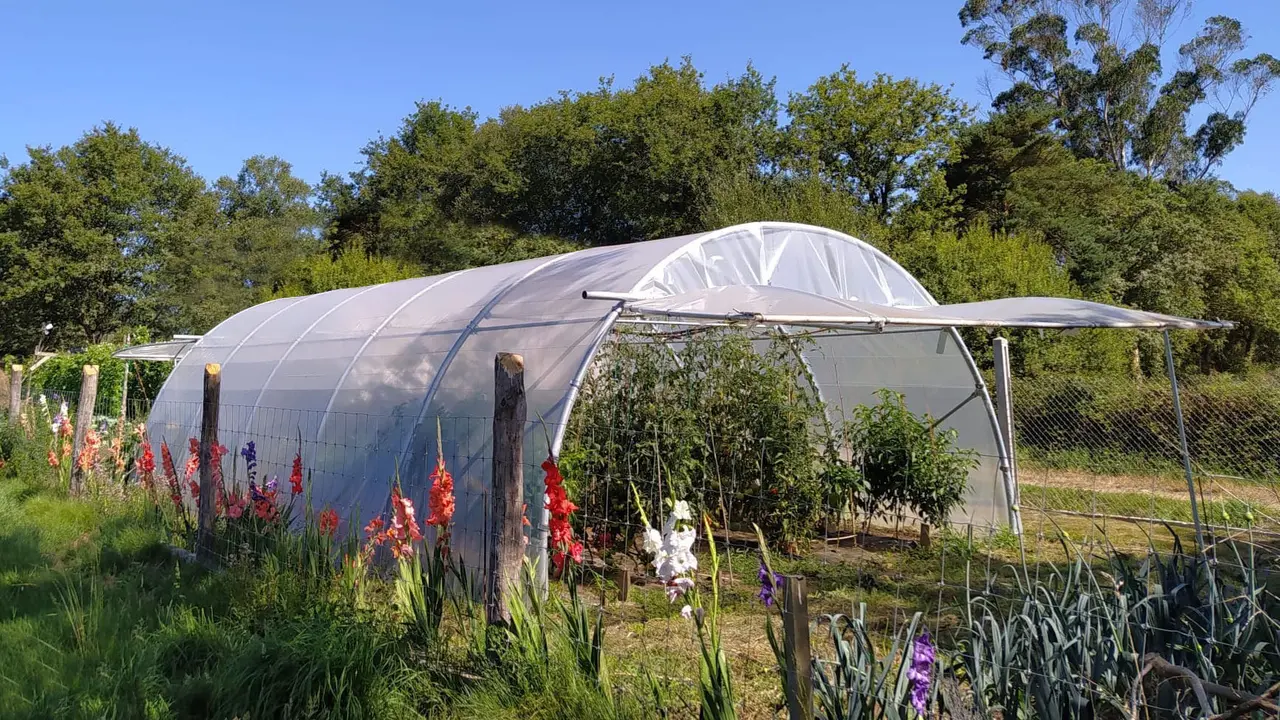
There is no single perfect growing medium; often the best option is to mix a base substrate with amendments that provide the desired properties. For example, a tunnel greenhouse can benefit from a general-purpose substrate enriched with perlite to improve drainage.
If you’re aiming for a more specialised crop, such as in a straight walls tunnel greenhouse, combining specific growing media with mulch can optimise growth and flowering.
Soil care and maintenance for healthy crops
Finally, keeping the soil in good condition involves preventing nutrient depletion, managing moisture levels and aerating the soil regularly. In a minitunnel greenhouse, managing the growing medium is easier and can make a big difference to the end result.
Garden greenhouses for growing plants and flowers
FERTRI’s tunnel greenhouses, straight walls tunnel greenhouses and minitunnels provide ideal conditions for successfully growing plants and flowers. These structures allow you to control temperature and humidity and protect your crops all year round.
Each model is designed to suit different spaces and requirements, providing a stable and healthy environment for your plants.
We invite you to take a look at each model so you can choose the one that best suits your project. And if you have any further questions, please contact us and we’ll be happy to advise you.