How to grow mangoes: Recommendations and requirements for greenhouse cultivation
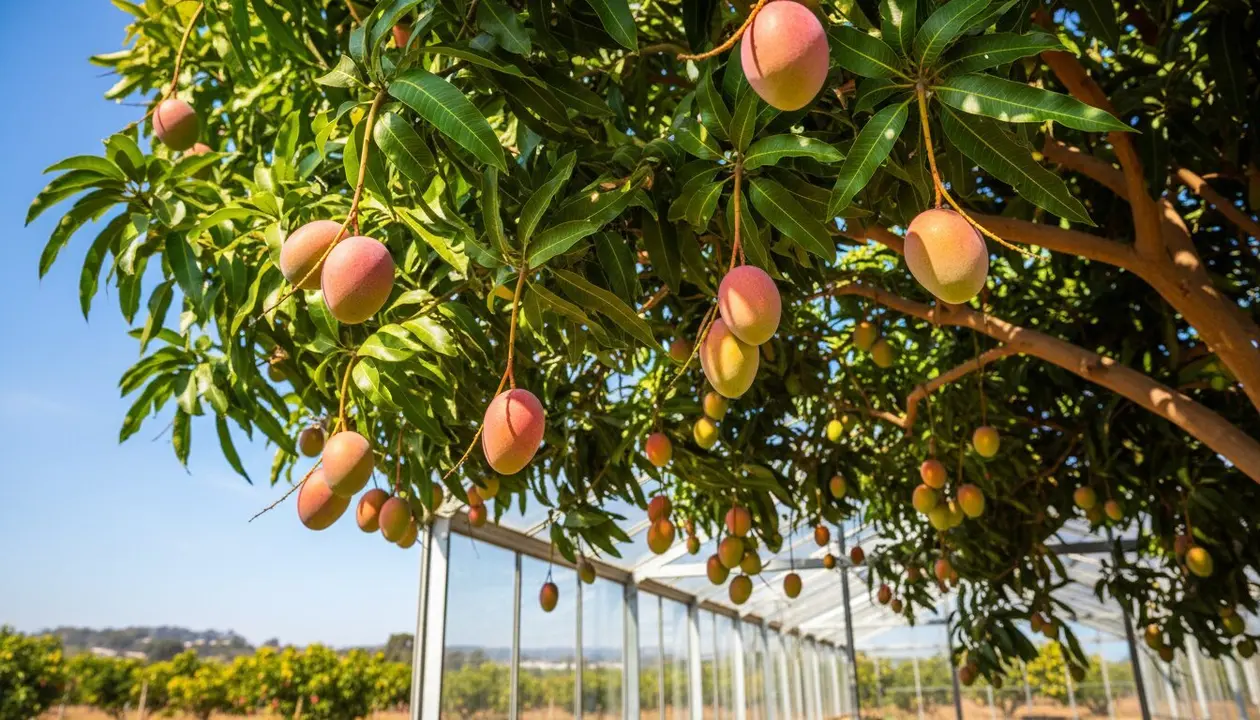
Would you like to grow mangoes but do not know where to start? Here, we explain the essential requirements, care practices and techniques for planting mangoes outdoors or inside a greenhouse. This complete guide will help you obtain high-quality fruit and keep your trees healthy.
- Essential requirements for mango cultivation
- Practical steps for planting and growing mangoes
- Greenhouse mango cultivation: techniques and advantages
- Harvesting, maintenance and tips for successful cultivation
- Best greenhouses for growing mangoes
Essential requirements for mango cultivation
Mango is a crop native to tropical and subtropical regions and therefore requires warm temperatures to develop properly. The ideal temperature ranges from 20 to 25 ºC, although the tree can tolerate higher temperatures when adequate shade or ventilation is provided. However, frost or temperatures below 4 ºC can seriously damage the tree, particularly its flowers and young fruit.
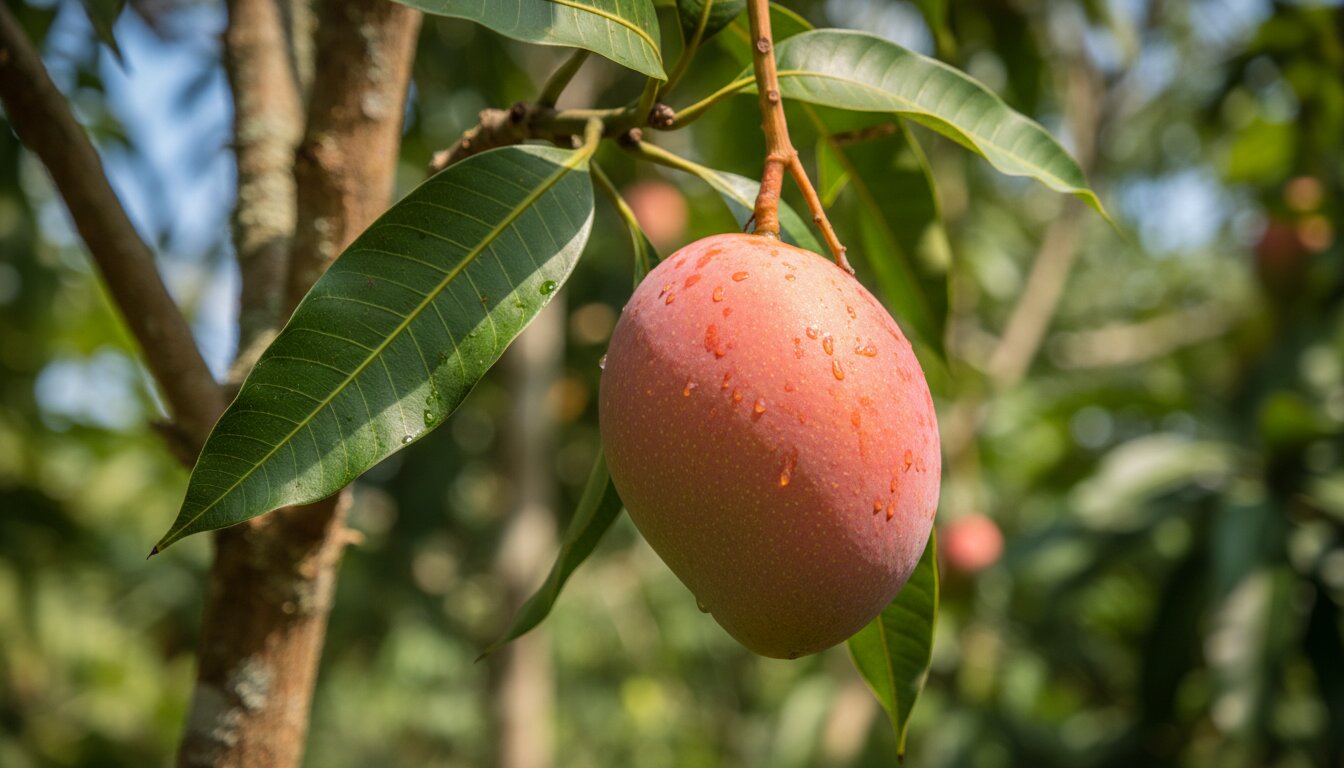
To initiate flowering, mango trees require a dry period and relatively low temperatures for several weeks, typically during winter. These conditions encourage proper flower formation and fruit set, improving the final yield.
Soil for mango cultivation must have good drainage to prevent waterlogging, which can cause root diseases. The soil may be sandy, silty or clay-based, provided that it has a good structure and sufficient depth, ideally between 80 cm and 1 metre, to support root development.
Regarding fertilisation, mango trees require a regular supply of nitrogen to stimulate vegetative growth and flowering. Fertilisers containing potassium and phosphorus are also recommended to improve the quality and size of the fruit. Applying organic compost around the trunk improves nutrient retention and soil health.
To begin cultivation, it is essential to have the appropriate materials: high-quality seeds or grafted plants, planting and transplanting tools and, for protected cultivation, structures such as greenhouses or tunnels. Preparing the land involves clearing the area, improving drainage where necessary and enriching the soil with organic matter.
It is also useful to have irrigation systems that make it possible to control moisture, particularly during critical stages such as flowering and fruit set.
Practical steps for planting and growing mangoes
Mangoes can be grown from seed or from grafted plants to guarantee varietal quality. When using seeds, remove the outer husk and plant the seed with its most developed section facing upwards, keeping the soil moist but not waterlogged.
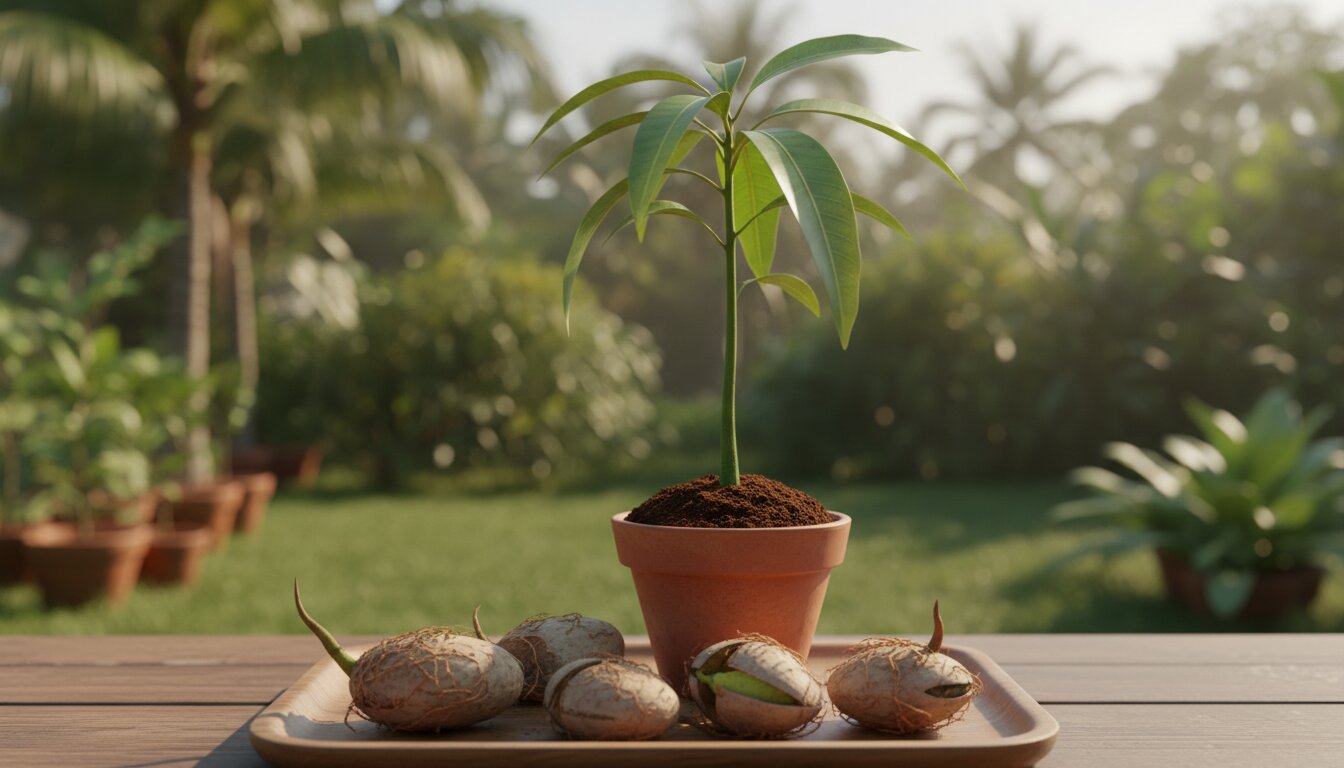
When the seedlings reach approximately 10 cm in height, transplant them into pots or directly into their final position in the ground, ensuring that the location receives direct sunlight and has good ventilation. In cold climates, young plants should be protected with covers or mini greenhouses.
Watering and fertilisation for healthy growth
Watering should be regular but moderate, avoiding excess water. In permeable soils, watering every two weeks is usually sufficient once the tree is established. Watering should be increased during flowering and fruiting to support fruit development.
Fertilisation can be carried out using NPK fertilisers, prioritising nitrogen and potassium. Organic compost is also a good option for nourishing the soil in a natural and sustainable way.
Protection and management of pests and diseases
Mango trees are susceptible to common pests such as mites, scale insects and fruit flies. Preventive measures include keeping the area clean, removing affected fruit and leaves and applying organic or chemical treatments in a controlled manner.
Fungal diseases such as anthracnose can be controlled through good ventilation and by preventing excessive humidity. In outdoor crops, pruning and appropriate irrigation management also help prevent these diseases.
Greenhouse mango cultivation: techniques and advantages
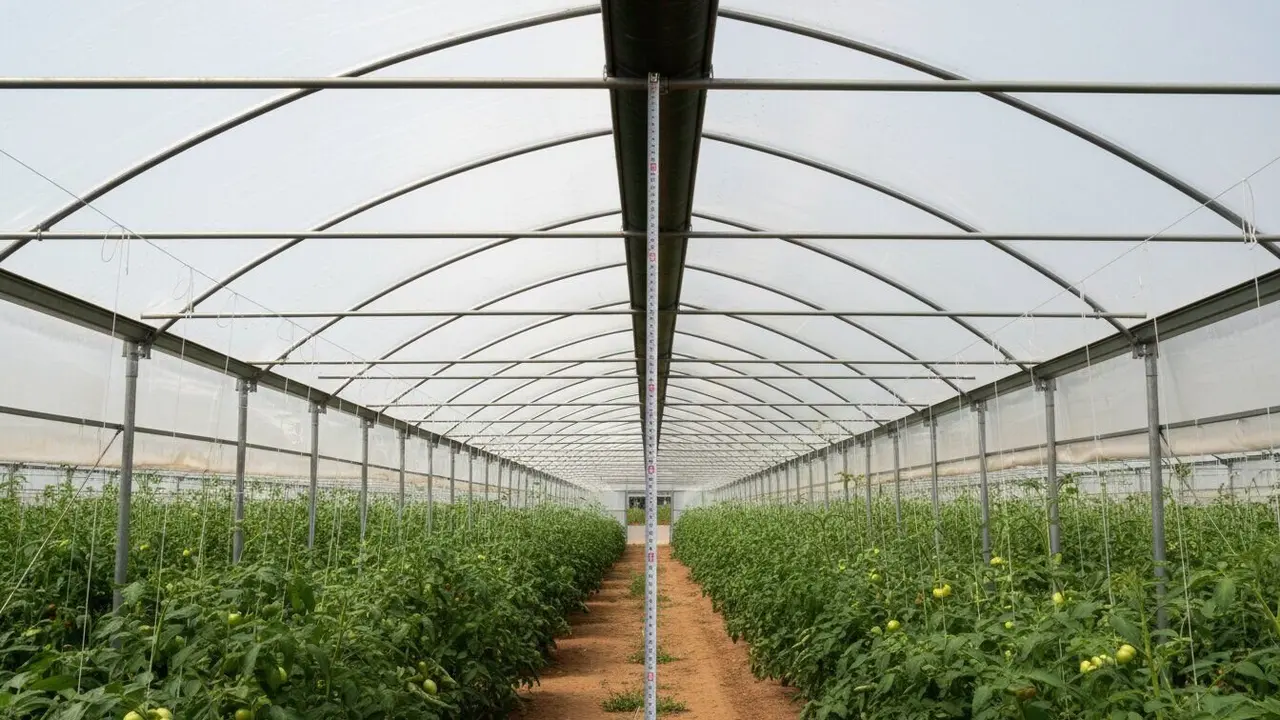
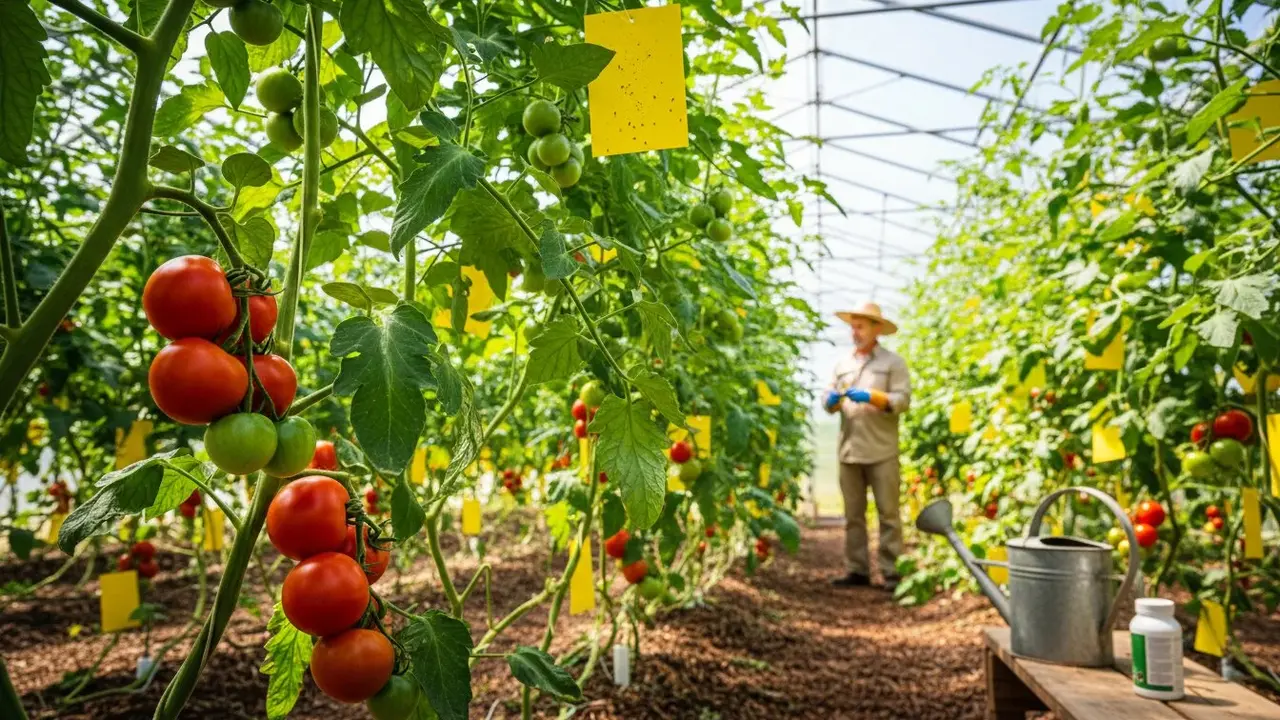
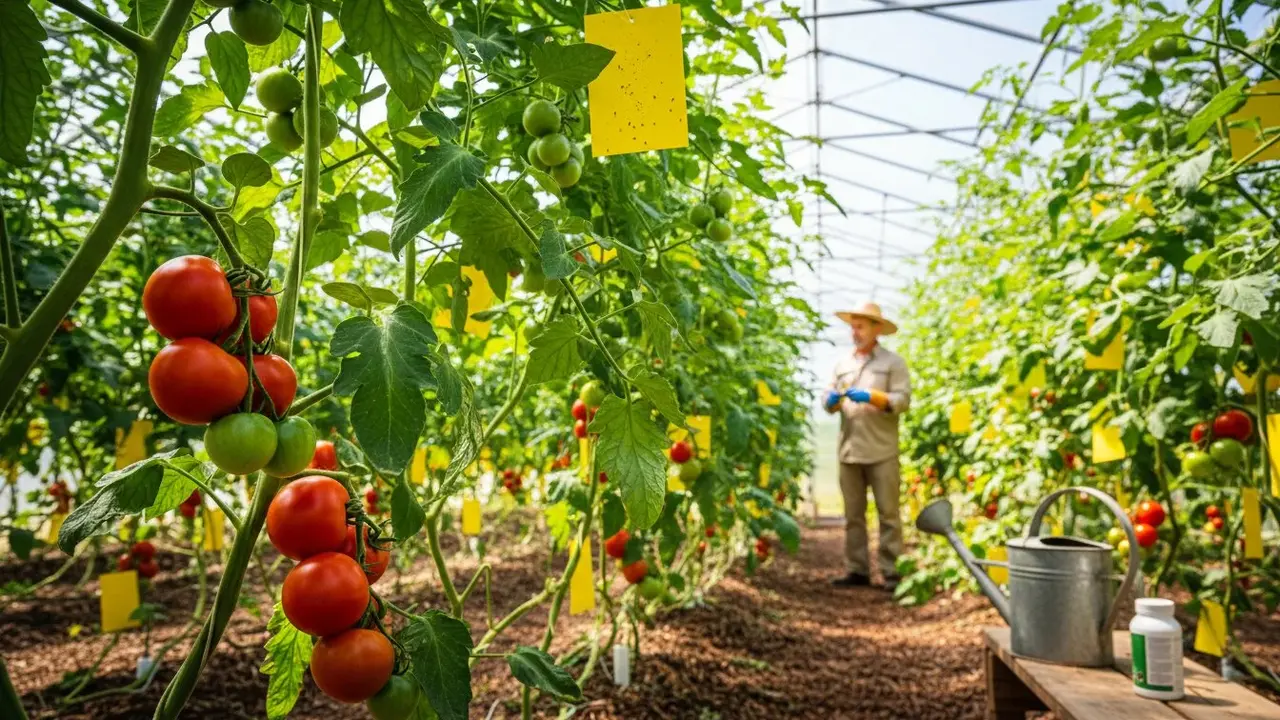
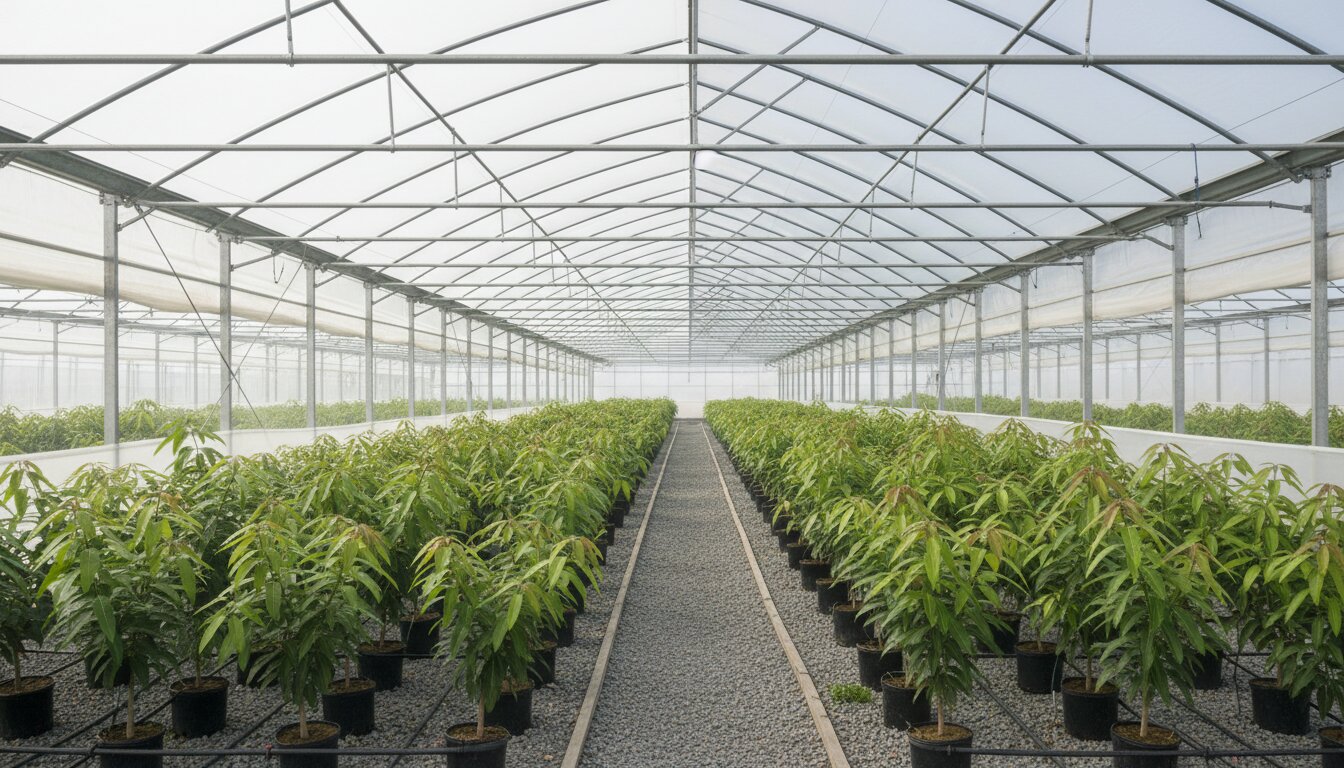
Growing mangoes in a greenhouse makes it possible to control temperature, humidity and ventilation, creating a stable environment that supports flowering and fruit set. Greenhouse temperatures can be maintained within an ideal range, protecting the trees from frost and excessive heat.
Advantages and challenges of greenhouse cultivation
The main advantages include protection against pests and diseases, an extended production season and greater control over watering and fertilisation. However, the initial cost and technical management requirements are higher than those associated with open-field cultivation.
It is also necessary to monitor ventilation to prevent fungal problems and maintain a balanced environment that does not harm the tree or its fruit.
Greenhouse watering, fertilisation and protection management
In greenhouses, drip irrigation is the most highly recommended technique for maintaining soil moisture without causing waterlogging. Fertilisation can be adjusted more precisely through foliar or soil applications, ensuring that the tree receives the necessary nutrients at every stage of development.
Pest protection is made easier by environmental control, although regular monitoring and preventive treatments remain necessary to avoid infestations.
Harvesting, maintenance and tips for successful cultivation
When and how to harvest mangoes
Harvesting takes place when the fruit reaches the size and colour associated with its variety, generally between May and June following winter flowering. Mangoes should be cut carefully to avoid damaging the tree and fruit.
It is advisable to harvest during the cooler hours of the day to preserve fruit quality and prevent damage caused by heat or humidity.
Tree pruning, maintenance and renewal
Pruning helps maintain the shape of the tree, facilitates the entry of light and air and prevents diseases. It should preferably be performed after harvesting by removing dry, diseased or poorly positioned branches.
Maintenance also includes cleaning the soil and controlling weeds, which compete with the trees for nutrients and water.
Tips for preventing diseases and improving production
Always maintain a proper balance between watering and ventilation to prevent fungi and pests. Apply fertilisers periodically and control the presence of insects using appropriate treatments.
The use of structures such as greenhouses can significantly improve the control of these conditions, increasing the profitability and quality of the crop.
Best greenhouses for growing mangoes
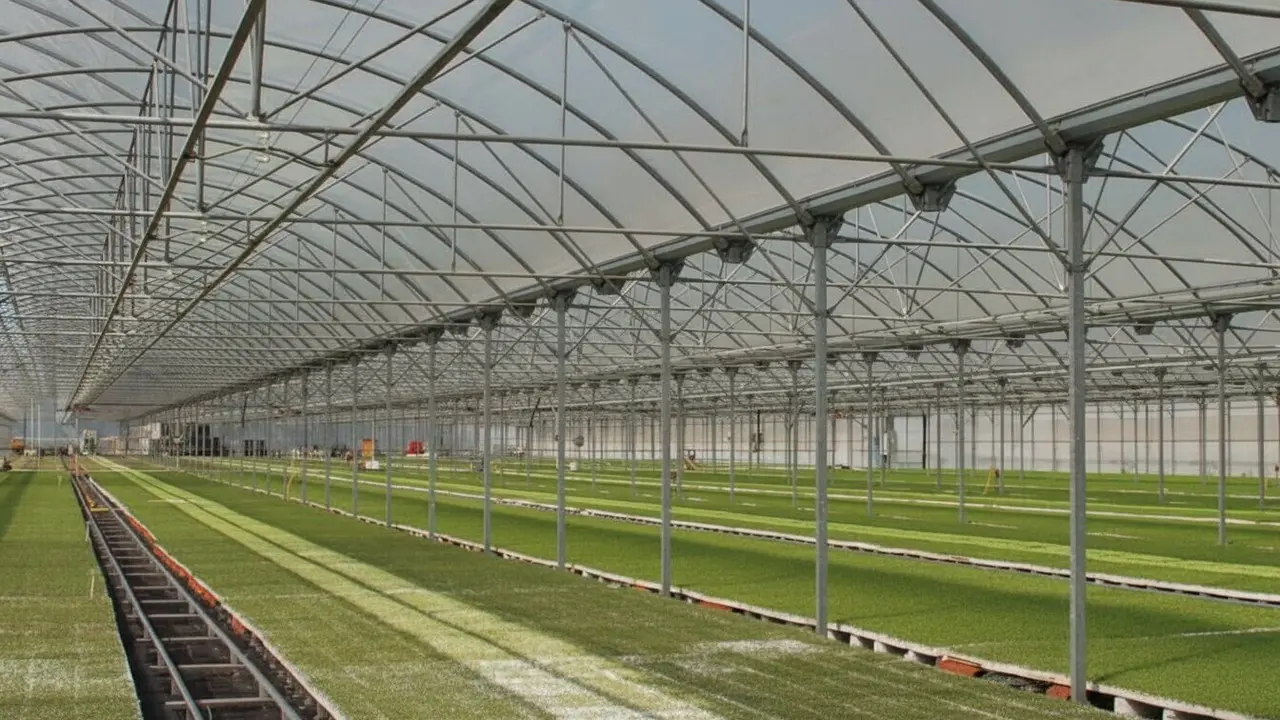
Growing mangoes inside FERTRI garden greenhouses offers numerous advantages, as these structures make it possible to control temperature, humidity and protection against adverse weather conditions. Recommended models for this crop include the multi-tunnel greenhouse, the Gothic greenhouse and the multispan greenhouse. These structures provide a stable environment, protect the trees and improve fruit quality.
We invite you to review each model and choose the one that best suits your project. Should you have any further questions, you can contact us for expert advice.