How to grow sorghum? Planting and harvesting guide
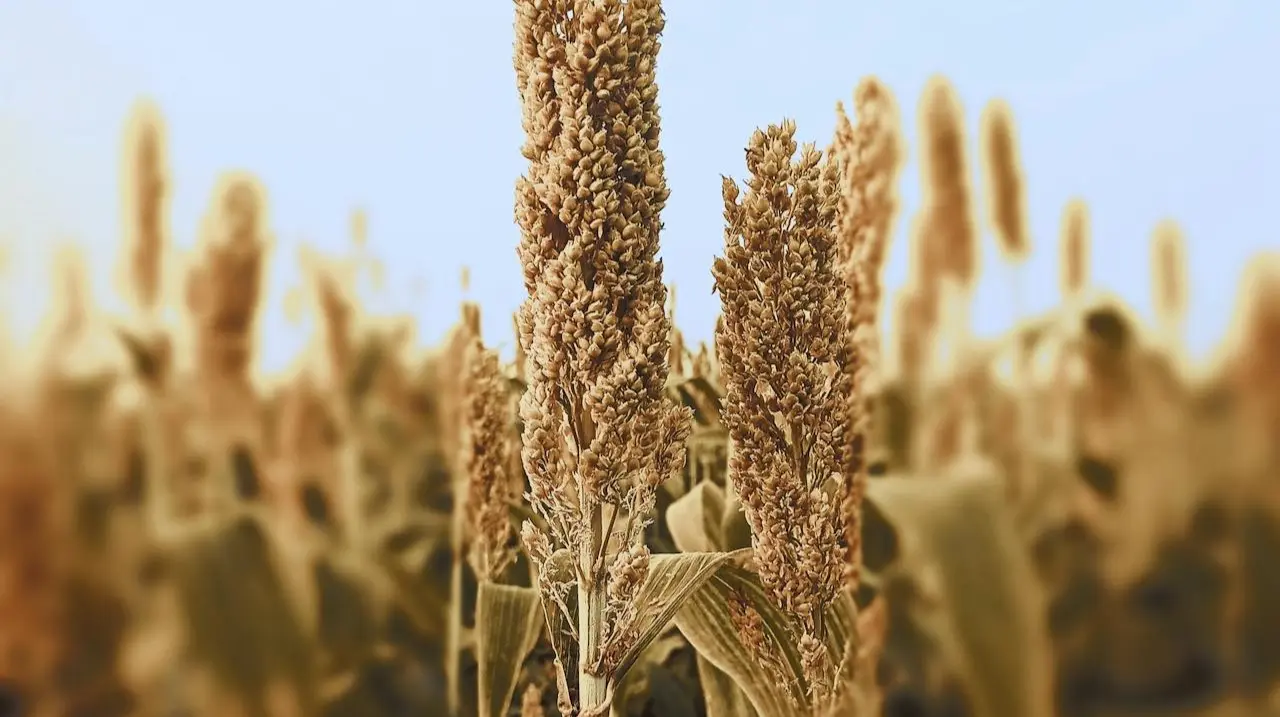
Many farmers choose to grow sorghum because it helps them to have resistant crops, although it is also suitable for other uses. It is a cereal that is considered very profitable because it can grow even in the worst climatic conditions.
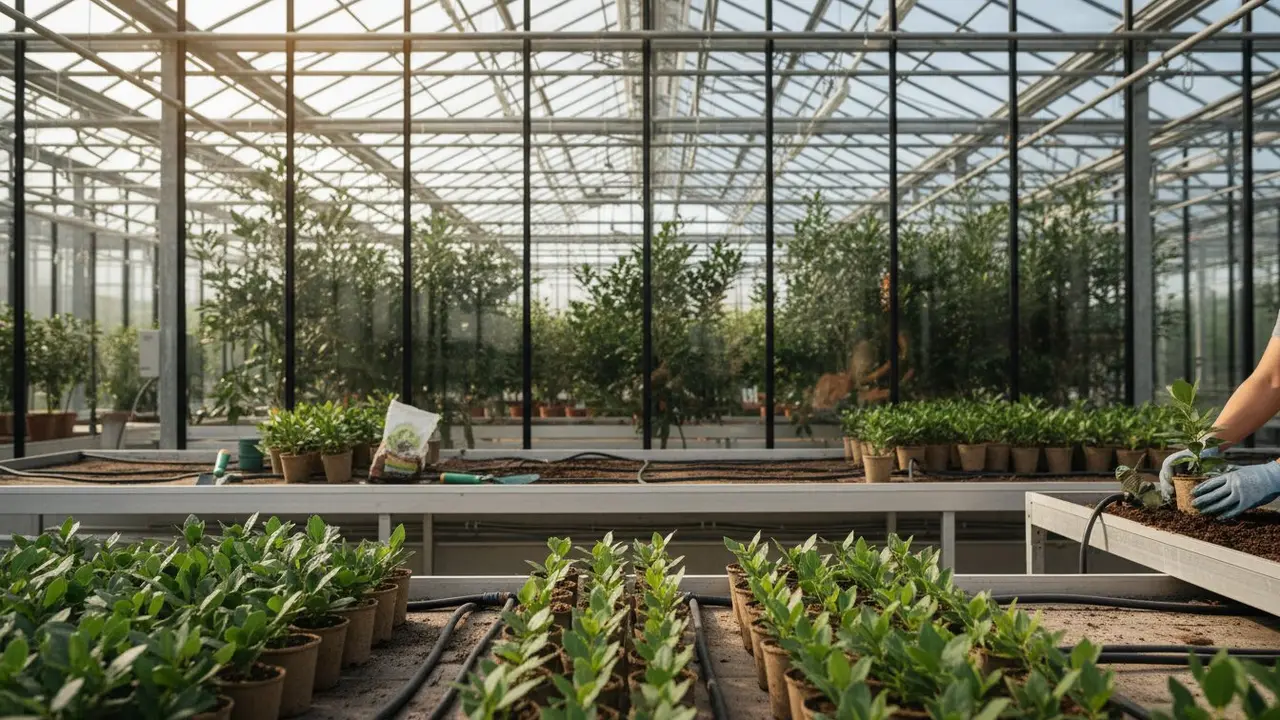
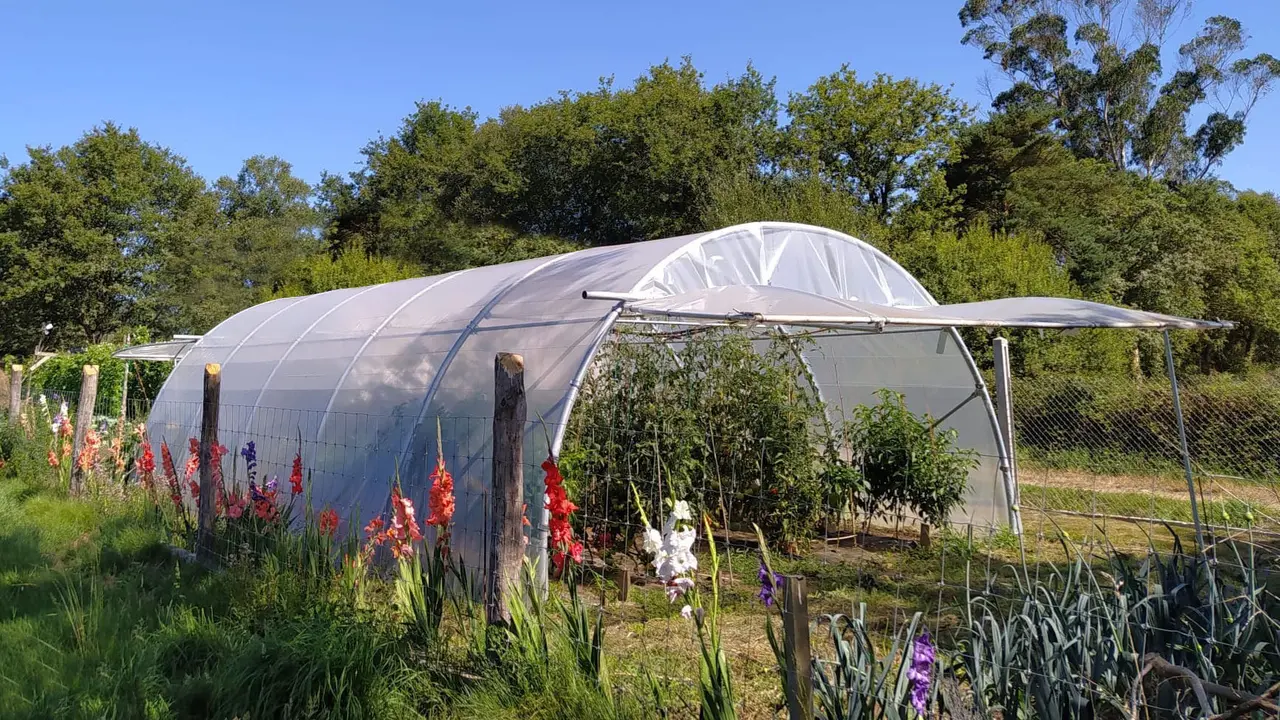
However, when you consider expanding or improving production, you can grow sorghum inside structures such as greenhouses. Some options are: the multi-tunnel greenhouse, the Gothic greenhouse or a multi-chapel greenhouse. Each is designed for planting in large spaces.
Would you like to find out more? Throughout this article, we will expand on the topic and give you all the tips you need to get the most out of growing sorghum. First, you will learn what it is, and then you will receive a step-by-step guide to growing it.
- What is sorghum?
- What is sorghum used for?
- In which areas can sorghum be grown in Spain?
- Step-by-step guide to growing sorghum
- Requirements for sorghum care
- When to harvest sorghum?
- Best greenhouses for growing sorghum
What is sorghum?
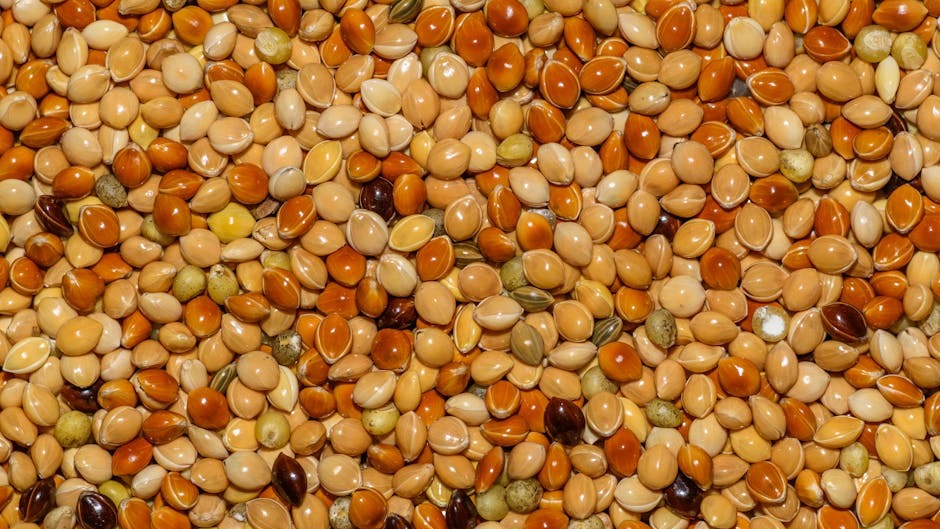
Sorghum is a cereal that is known for being drought-resistant and having a good capacity to adapt to different soil conditions. It is one of the oldest crops in the world and is used for animal and human consumption and industrial production.
On the other hand, its strength comes from its deep root system. This allows it to make better use of soil moisture. It is usually a good choice for areas with little water or hot climates.
What is sorghum used for?
Before learning how to grow sorghum, let's explain all its uses:
- Animal feed: It is commonly used as fodder or grain in livestock diets.
- Human consumption: There are varieties that are used to make flour, bread, beverages, and other products for human consumption.
- Industrial use: Used to manufacture biofuels, syrups, craft beers, and fermented products.
- Vegetation cover: There are varieties that also serve to protect and improve the soil. This reduces erosion and adds organic matter.
In which areas can sorghum be grown in Spain?
In Spain, sorghum is usually grown in warm areas with somewhat dry climates. The main regions are:
- Andalusia
- Castile-La Mancha
- Extremadura
- Murcia
- Valencian Community
- Aragon in certain irrigated areas
Step-by-step guide to growing sorghum
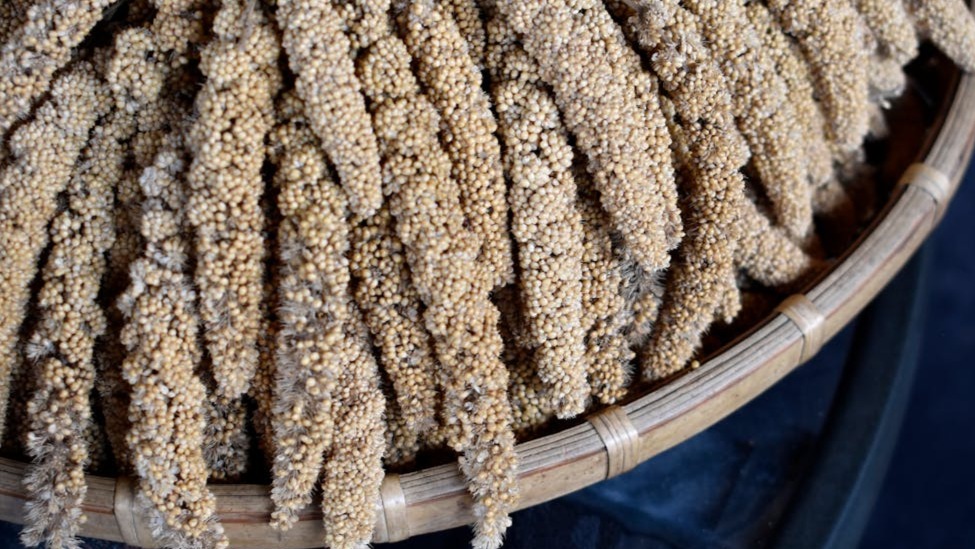
Now we will explain how you can grow sorghum. Just follow each step carefully.
Selecting the right variety
The first step in growing sorghum is choosing the right variety. There are types intended for grain, fodder, biomass, or sweet use. The choice depends on the end use you want to give it. Grain varieties, for example, are more compact, while fodder varieties have taller stalks and higher plant production.
Prepare the soil
The second step is to prepare the ground where you are going to sow. You can lightly till the soil to remove weeds and loosen the soil. This helps with germination and ensures that the roots penetrate more easily.
Remember that if the soil is very compacted, you may need to plough deeply.
Sorghum planting
When the soil is ready, you can start sowing the sorghum. It is best to do this in spring and when the soil temperature exceeds 15 °C.
Some tips are:
- Sow in rows 60 to 75 cm apart (depending on the variety and irrigation system).
- Make a depth of between 2 and 5 cm.
- Keep the soil slightly moist during the first few days. This will help with germination.
Requirements for sorghum care
Once you have finished growing sorghum, it is time to take care of it. Here we will tell you about the essential requirements.
Suitable temperature
Sorghum needs warm temperatures to grow properly. The ideal range is between 25 °C and 35 °C when it is in the most active stages of development. However, it can tolerate slightly lower temperatures, but if it is very cold, growth will be slowed down.
Water requirement
Remember that sorghum is not very demanding in terms of water. However, it does need watering during the germination stage and when the grain is filling. If you provide too little water during these stages, the yield may be greatly reduced.
Suitable soil
Cereals can grow in many types of soil, but they prefer well-drained land with good organic matter. If you choose saline or very clayey soils, growth will be limited.
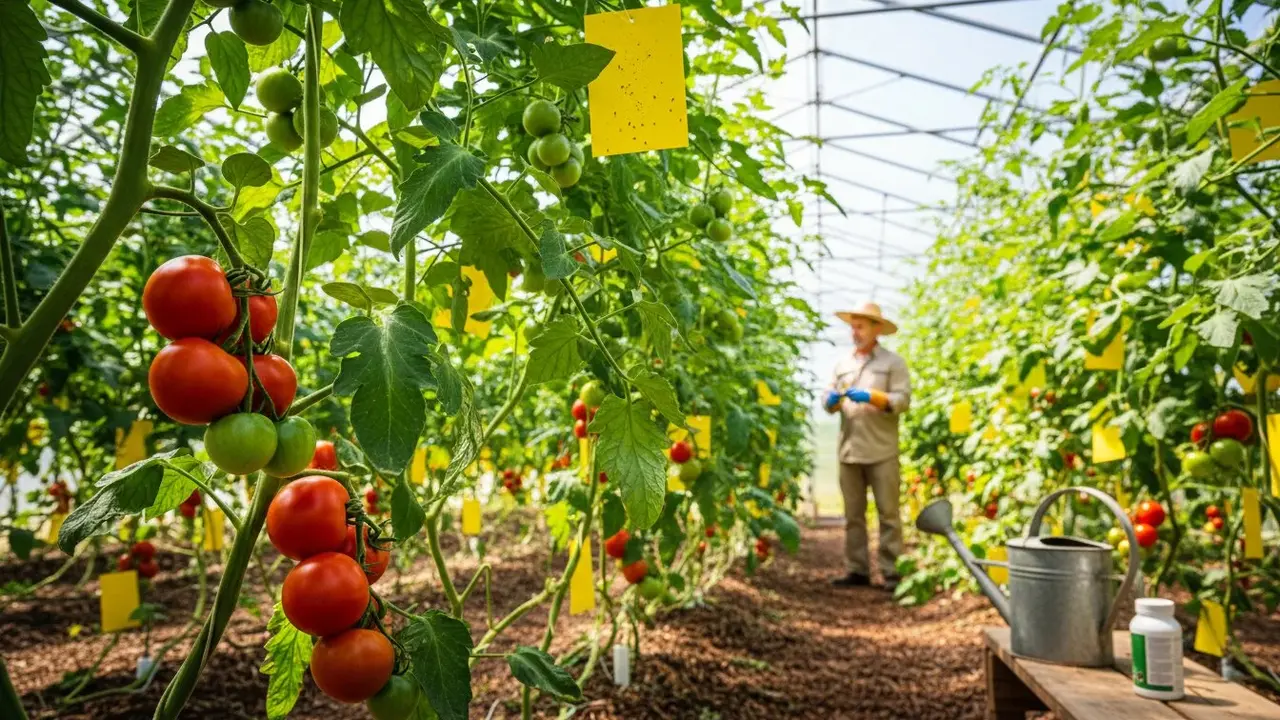
Pest and disease control
We cannot forget about pest and disease control. Generally, you will find:
- Pests: Aphids, leaf miners, and sorghum midges.
- Diseases: Fungi such as anthracnose.
You should monitor your crops frequently and apply preventive or corrective treatments before it is too late.
When to harvest sorghum?
The harvest depends on the variety and how you intend to use it. However, sorghum is usually ready when the grain reaches physiological maturity. You can tell this by the small black spot at the base of the grain.
On the other hand, forage varieties are usually harvested earlier, when the plants are at their maximum moisture content and nutritional value. The exact timing can vary between 90 and 120 days after sowing.
Best greenhouses for growing sorghum
If you want to grow sorghum, it is best to choose high-quality greenhouses that are suitable for large areas. These structures offer additional protection and allow you to control everything from the outset. At FERTRI, we have several models that are ideal for withstanding different external conditions.
Some notable models are:
- Multi-tunnel greenhouse: This is ideal for covering large areas and creating a consistent environment for your sorghum crop.
- Gothic greenhouse:This is usually recommended for areas with frequent rainfall because its design facilitates drainage.
- Multi-span greenhouse: This is a stronger and more versatile option, so it is used for taller crops with longer cycles.
Each structure allows you to protect the soil and optimise the entire crop. They were designed to create more controlled conditions so that you can have successful harvests.
Please feel free to review each product and contact us for personalised advice. You will be able to purchase your greenhouse as soon as possible and start growing sorghum thanks to the guide we have created for you.