Soil erosion: What types are there and how can it be prevented in crops?
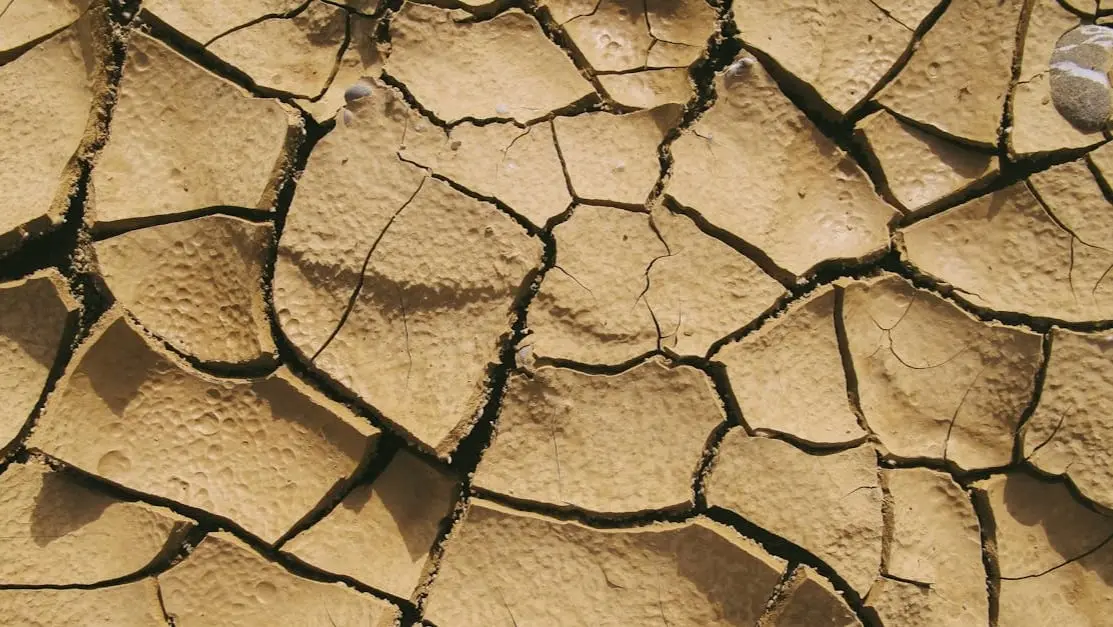
If you work in agriculture or are interested in this topic, you should learn more about soil erosion. It is a process that sometimes goes unnoticed until it has a significant impact. This results in a loss of fertility and low agricultural yields because the land becomes degraded.
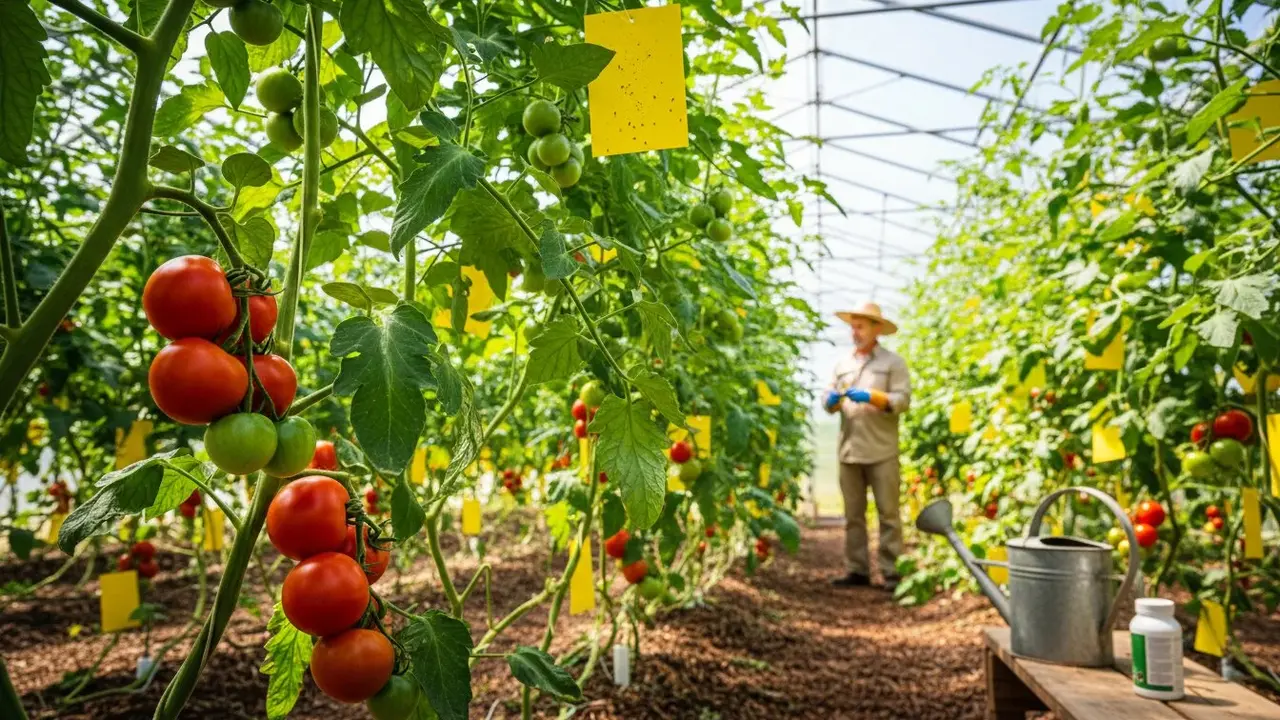
On the other hand, in many systems, land protection depends on infrastructure. Some tips are to use greenhouses such as: the multi-tunnel greenhouse, Gothic greenhouse or the multi-chapel greenhouse. It all depends on the project you are developing.
Throughout this article, we will explain more about this topic. You will learn what soil erosion is and how it affects agriculture. You will also learn about the different types of soil erosion and tips for preventing it in your crops.
- What is soil erosion?
- What types of soil erosion exist?
- What stages make up the process of soil erosion?
- What effects does soil erosion have on agriculture?
- How can we prevent soil erosion in agriculture?
- Best greenhouses to prevent soil erosion
What is soil erosion?
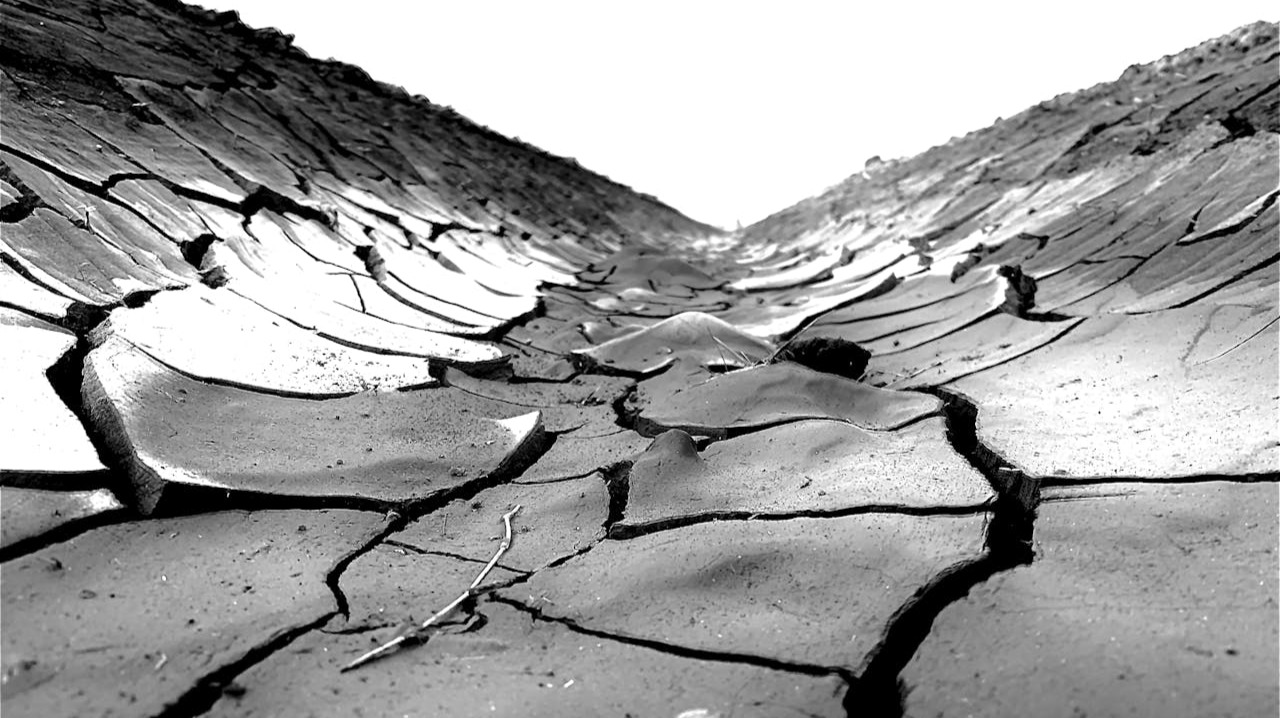
Soil erosion is when the top layer of soil is worn away, displaced or lost. It can occur due to several factors, for example:
- Heavy rainfall and water on the ground
- Winds
- Human activities.
The layer that is usually damaged is very rich in nutrients and organic matter, so when it deteriorates, it affects the soil's ability to sustain crops. Furthermore, this process can occur gradually or rapidly.
If it occurs slowly, the land can regenerate over time. However, if conditions are extreme, erosion will be more severe and difficult to reverse.
What types of soil erosion exist?
The type of erosion will depend on the factors that cause it. Here we will explain the different types that exist.
Water erosion
This is the most widespread type and occurs when water carries away soil particles. It can be caused by rain, thawing snow and water currents in general. It can take the form of small runoff or create deep furrows that affect the land.
Wind erosion
This type of erosion mainly affects dry areas or areas with little vegetation. It occurs when the wind lifts and transports soil particles, reducing soil quality and leaving bare, more vulnerable surfaces.
Gravitational erosion
Gravity causes landslides or earth movements in sloping areas. The intensity varies depending on the slope, the type of soil and the amount of vegetation present.
Temperature erosion
Temperature also influences soil erosion, because sudden changes cause the soil to expand and contract. This leads to cracks and landslides. Furthermore, when combined with the action of water or wind, the deterioration will be even worse.
Anthropogenic erosion
Anthropogenic erosion is caused by human activities, for example:
- Overgrazing
- Construction
- Speak
- Various aggressive agricultural practices
Biological erosion
Finally, there is biological erosion, which occurs when organisms such as animals, insects, and even roots alter the structure of the soil. All of these are part of the natural balance, but erosion can be exacerbated by drastic changes in the ecosystem.
What stages make up the process of soil erosion?
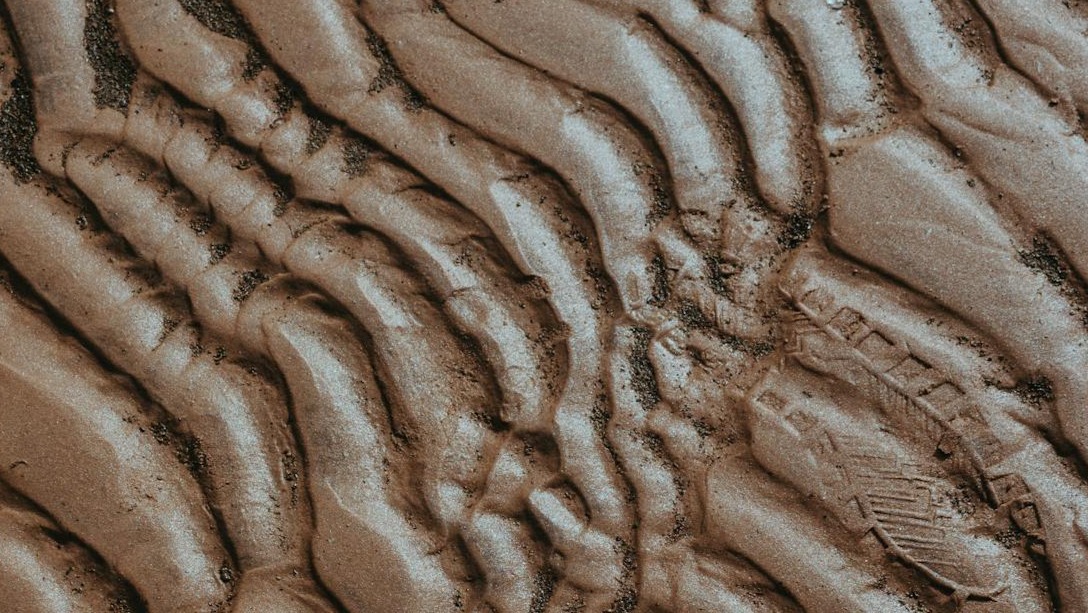
Soil erosion does not usually occur suddenly, but rather progresses through several stages. Here we explain them to you:
- Detachment: This occurs when particles in the top layer weaken and separate due to the action of water, wind, or physical changes.
- Transport: Once released, the particles are displaced. They can travel short or long distances depending on the erosive agent.
- Deposition: Eroded material accumulates elsewhere. This can alter watercourses, block drains or change the topography of the environment.
What effects does soil erosion have on agriculture?
This process has a significant impact on agriculture, and some of the most important effects are:
- Loss of nutrients: This is because the fertile layer is the first to disappear. This reduces the soil's ability to nourish crops.
- Soil compaction: Structure is lost, the soil hardens, and root growth becomes difficult.
- Lower water retention: You should be aware that eroded soil retains less moisture. This affects crops that are sensitive to drought.
- Increase in pests and diseases: Because an unbalanced ecosystem can become more vulnerable.
- Decreased yield: Over time, crops produce less and require more inputs to compensate for the loss of soil quality.
How can we prevent the erosion of agricultural soil?
We will tell you about the most recommended practices to prevent erosion and ensure your crops are successful:
- Maintain vegetation cover: The use of cover crops or pruning debris reduces the impact of wind and rain.
- Create terraces on slopes: These help to control runoff and retain soil.
- Avoid excessive tillage: Ploughing too frequently weakens the soil structure.
- Implement crop rotation: This promotes soil recovery and prevents soil degradation.
- Install efficient irrigation systems: Poorly distributed irrigation can increase water erosion.
- Create natural barriers or hedges: These reduce wind force and improve biodiversity.
Best greenhouses to prevent soil erosion
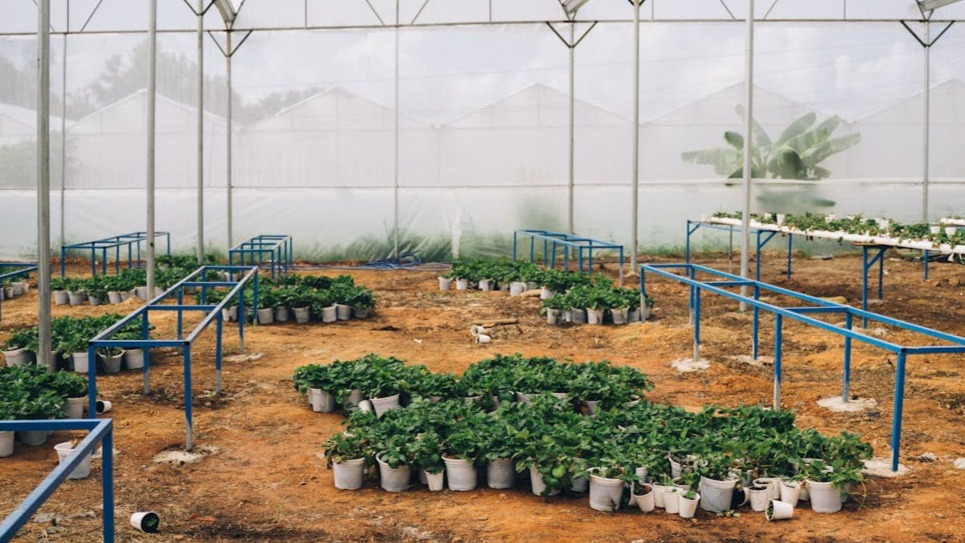
Traditional agricultural practices are recommended to prevent soil erosion. However, you can also use greenhouses that can cover large areas and serve your crops. At FERTRI, we have several quality options, as these greenhouses are designed to improve crop yields.
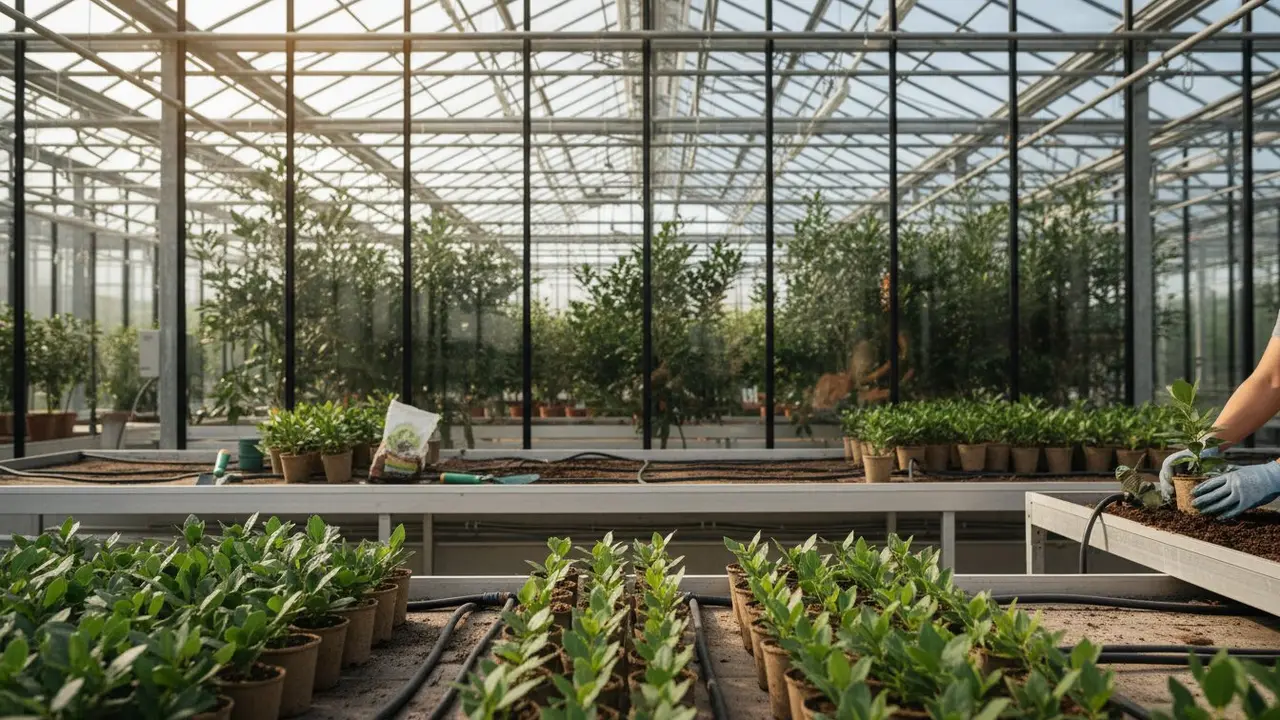
What can you find? First, there are multi-tunnel greenhouses, which are ideal for large areas and have a modular design. This allows them to cover large areas and protect them from wind, rain or any other factors. In addition, the structure looks light, but is very sturdy.
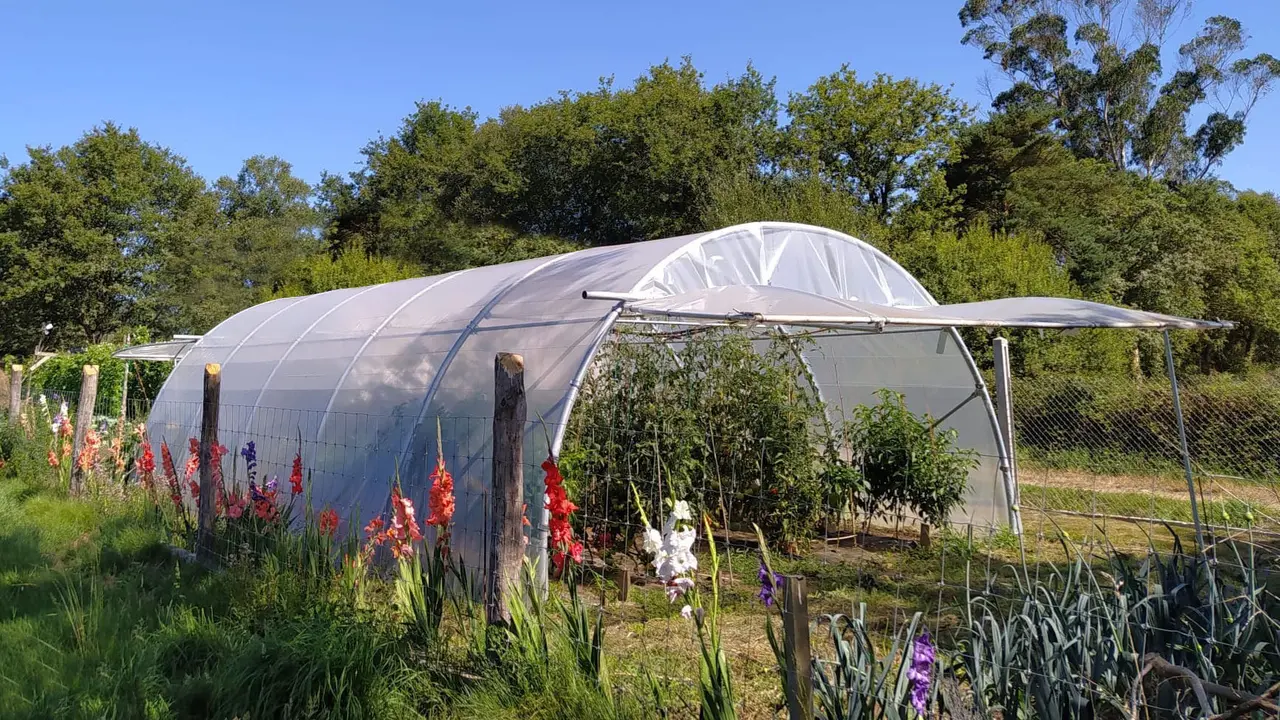
On the other hand, we have the Gothic greenhouse. This is a good option if you are in areas with high rainfall. Its shape helps with water drainage and prevents the soil from being exposed to excessive moisture.
And finally, you can also choose the multi-span greenhouse if your crops need protection throughout the year. This has a uniform structure that helps to better distribute the weight of wind and rain, which will reduce erosion throughout the space.
Each model is designed to protect crops and optimise land use. Please do not hesitate to contact us for advice on our products and to purchase the one that is right for you.