How to care for and grow hazelnut trees? Requirements and suitable conditions
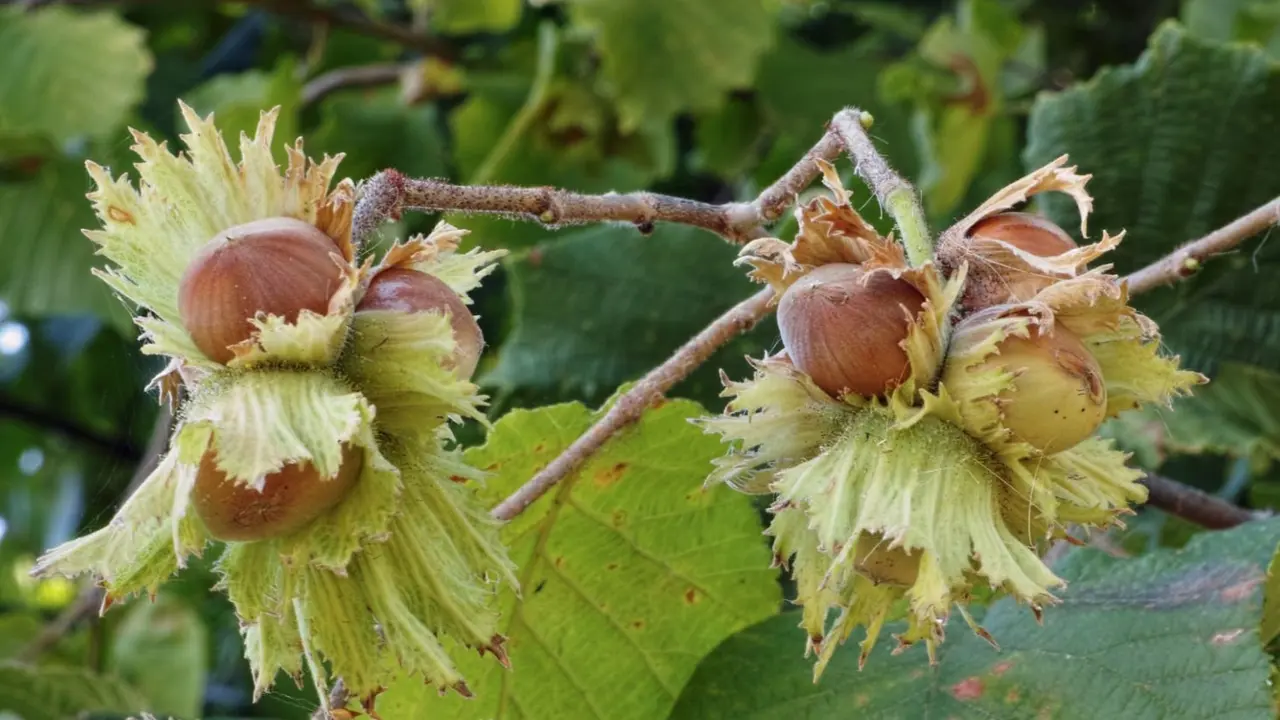
Hazelnut trees can be found on small family farms and large agricultural holdings. They are hardy trees that are usually easy to maintain if you study all their needs from the outset. You don't have to be an expert.
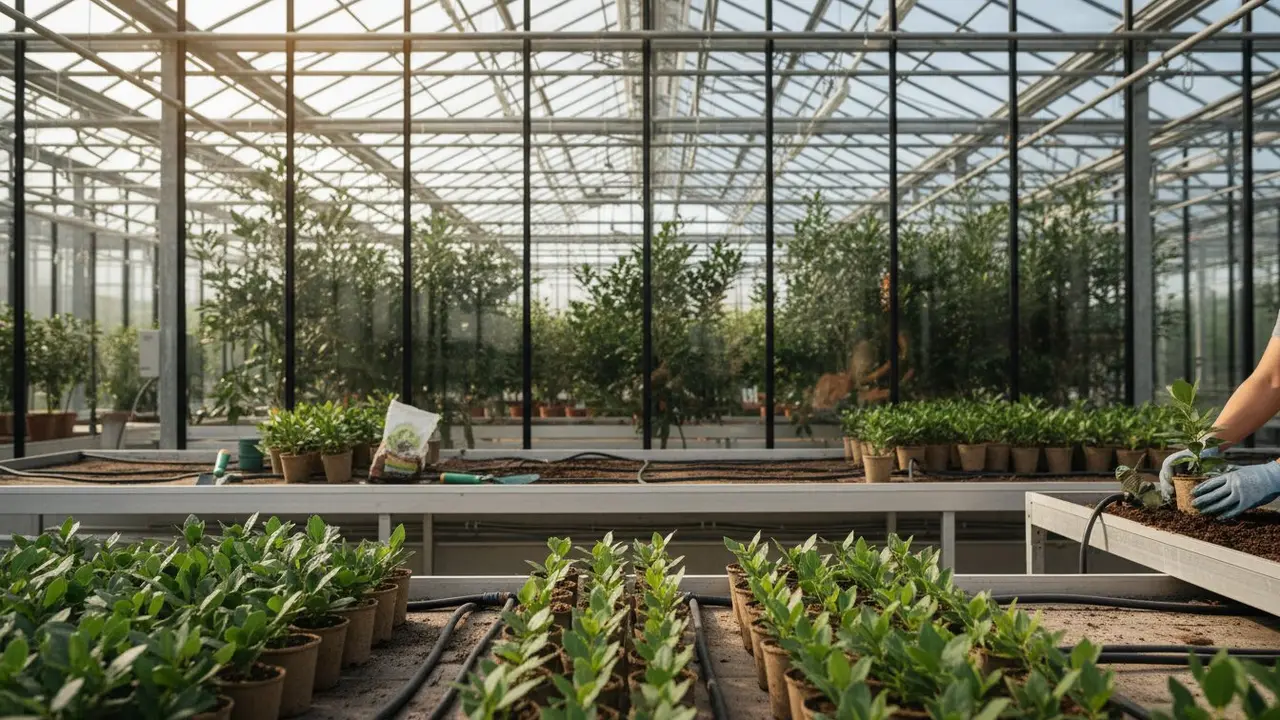
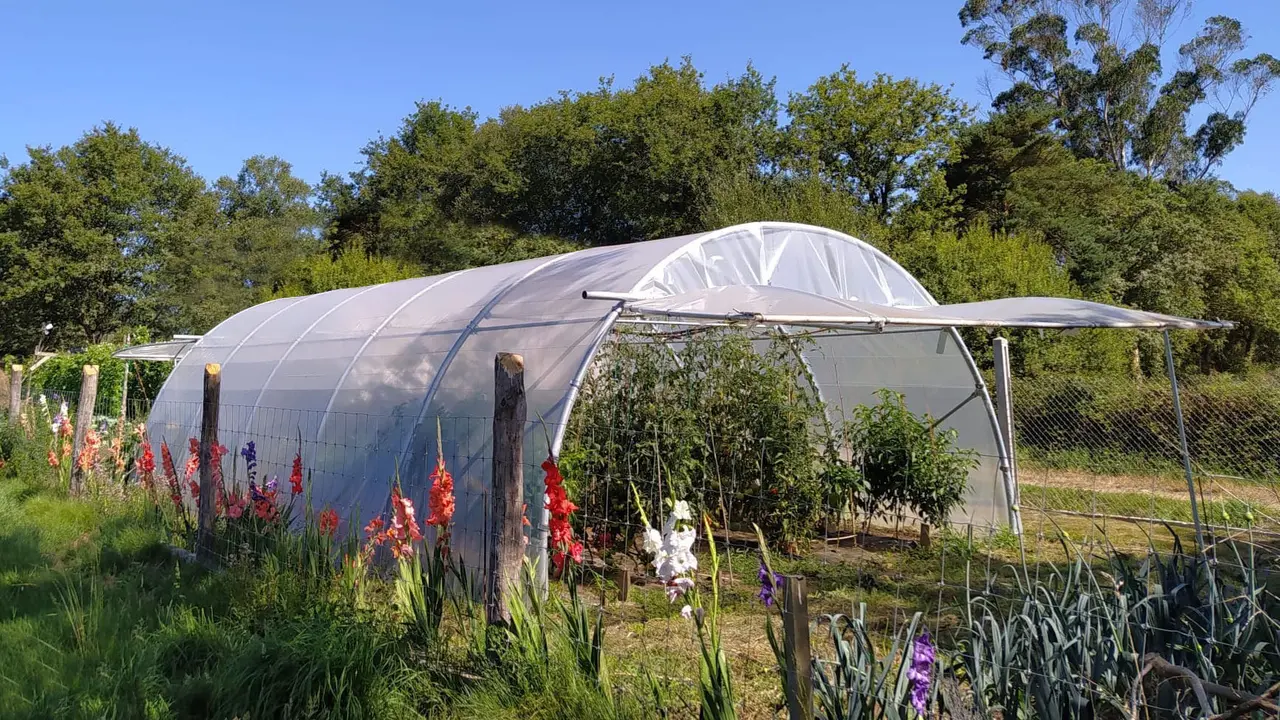
One of its major differences from other fruit trees is that it can be adapted to various production systems. They can even be started in protected spaces such as the multi-tunnel greenhouse, the Gothic greenhouse or the multi-chapel greenhouse.
Throughout this article, we will explain everything you need to know. First, you will learn how to grow and care for a hazelnut tree, and we will include important tips to ensure that they have everything they need.
- What are hazelnut trees?
- What characteristics do hazelnut trees have?
- What types of hazelnut trees are there?
- Care required for hazelnut trees
- When are hazelnuts harvested?
- Large greenhouses for growing hazelnut trees
What are hazelnut trees?
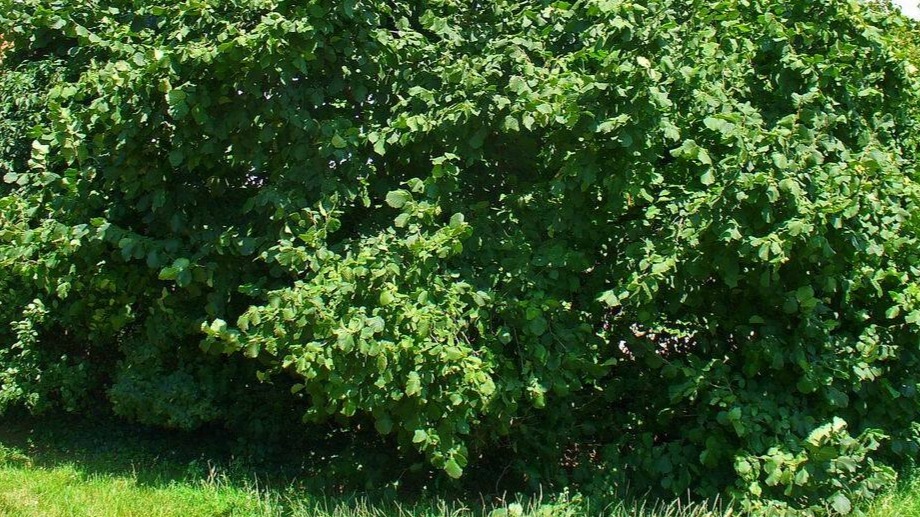
Hazelnut trees are known as hazel trees and are fruit trees that belong to the Corylus genus. Their fruit is the hazelnut, which is processed for consumption on its own or with other ingredients.
On the other hand, this plant has deciduous leaves and can grow as a shrub or small tree. It all depends on the pruning system or the intended use, while cultivation is very common in areas with a temperate and humid climate.
What are the characteristics of hazelnut trees?
To help you identify hazelnut trees, we will tell you about their main characteristics:
- It is hardy and its growth is medium.
- It can reach between 3 and 6 metres in height.
- Its leaves are large, round, and deep green in colour.
- Male and female flowers are usually produced on the same tree.
- You can see its fruit at the end of summer or beginning of autumn.
What types of hazelnut trees are there?
There are several types of hazelnut trees, and each one can adapt to the conditions that arise depending on the climate or soil:
- European hazel: This is the most widely cultivated variety, especially for commercial production. It has large, high-quality fruits.
- American hazel: This type of tree is better suited to colder, wetter climates. Its fruits are small, but it is easy to grow.
- Hybrid hazelnuts: These are varieties developed to improve productivity and resistance to pests or diseases. They combine characteristics from different hazelnut trees.
- Ornamental hazel: This variety is cultivated for decorative purposes in gardens or green spaces. Although it also produces hazelnuts, it is valued primarily for its aesthetic appeal.
Care required for hazelnut trees
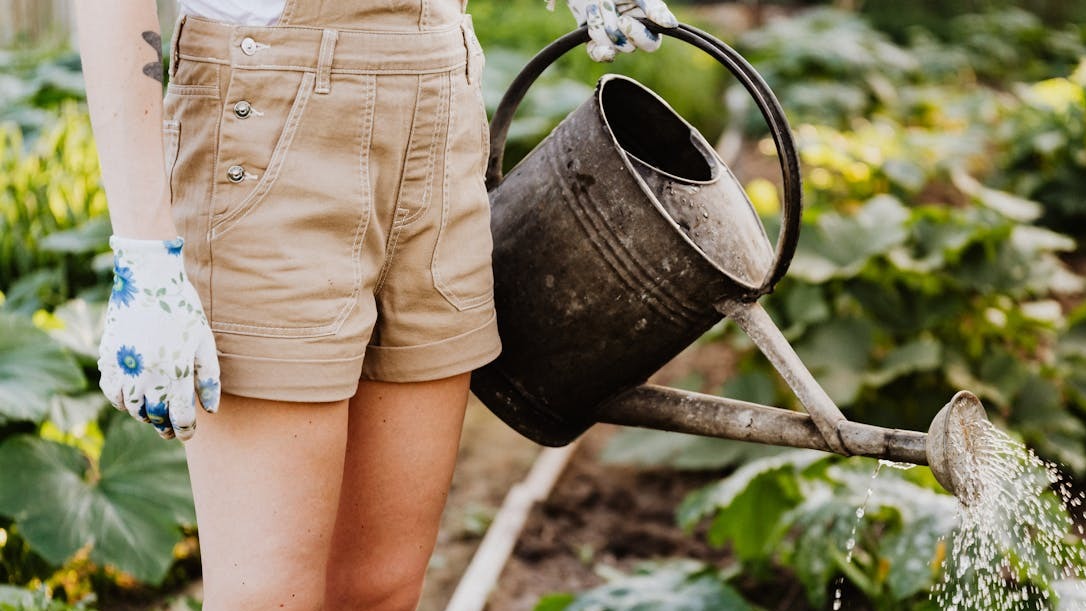
If you want your hazelnut tree to grow healthily and produce high-quality hazelnuts, there are several things you need to take care of. Here's how.
Climate and temperature of the hazelnut tree
First of all, hazelnut trees prefer temperate climates, with mild winters and summers that are not excessively hot. In general, they can tolerate cold weather well, but severe frosts can affect their flowering.
Required soil
The ideal soil should be:
- Profound
- With good drainage
- Rich in organic matter
Some people are confused because this tree adapts well to different soils. However, waterlogged ground should be avoided because excess moisture will rot the roots.
Planting
Planting is usually carried out in autumn or late winter. It is advisable to leave sufficient space between plants to allow for better aeration and healthy tree growth.
Fertilising
As for fertiliser, it is recommended to choose organic fertilisers because they help improve soil structure and the overall health of the tree. It should be well balanced and priority should be given to nutrients such as:
- Nitrogen
- Phosphorus
- Potassium
Watering
Hazelnut trees do not need excessive watering, but it is important to maintain constant humidity, especially during the first few years and in dry periods.
Pruning
Finally, pruning is carried out in winter when the tree is dormant. This is done to:
- Monitor growth
- Improve light entry
- Promoting production
When are hazelnuts harvested?
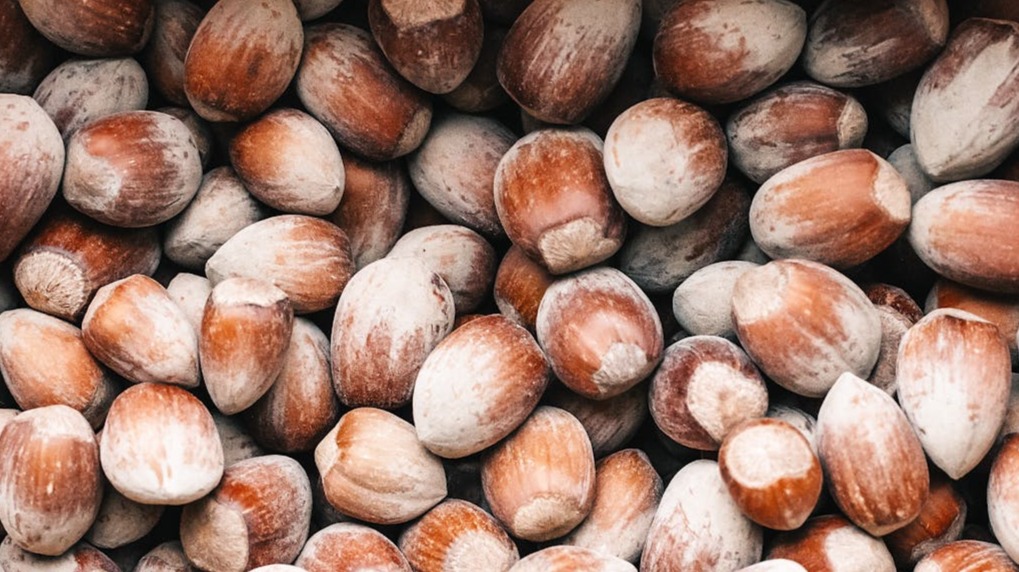
Hazelnuts are usually harvested between late summer and early autumn. At this point, the fruit falls naturally to the ground or is easily detached from the tree.
On the other hand, it is important to harvest them at the right time so that they do not lose their quality and can be stored properly afterwards. Once you have harvested them, they must be dried thoroughly before storing.
Large greenhouses for growing hazelnut trees
If you want to start growing hazelnut trees, it is best to do so in large areas and provide them with all the necessary conditions. One option is the greenhouses we have at FERTRI, as they guarantee quality and designs designed to protect crops.
Among the models that may interest you are:
- The multi-tunnel greenhouse, which is considered very versatile and resistant for growing trees and plants of all kinds.
- The Gothic greenhouse, which is designed to provide good ventilation and make the most of the light in the space.
- The Multi Wide-Span greenhouse. This is perfect for large-scale projects, so you can grow lots of hazelnuts without any problems.
The ideal thing about these structures is that you can place them in certain areas and control conditions such as air, temperature, and humidity. All of this ensures that your plants grow healthier and you get perfect fruit.
If you would like more information, please do not hesitate to contact us and we will be happy to advise you.