How is the marigold cultivated? Properties, origin and care

The marigold or Tagetes is one of those flowers that brightens up any garden, as they are colourful and have many benefits. They are ornamental in shape and have medicinal properties that you will love. What's more, they are very easy to grow and are often a good choice for beginner gardeners.
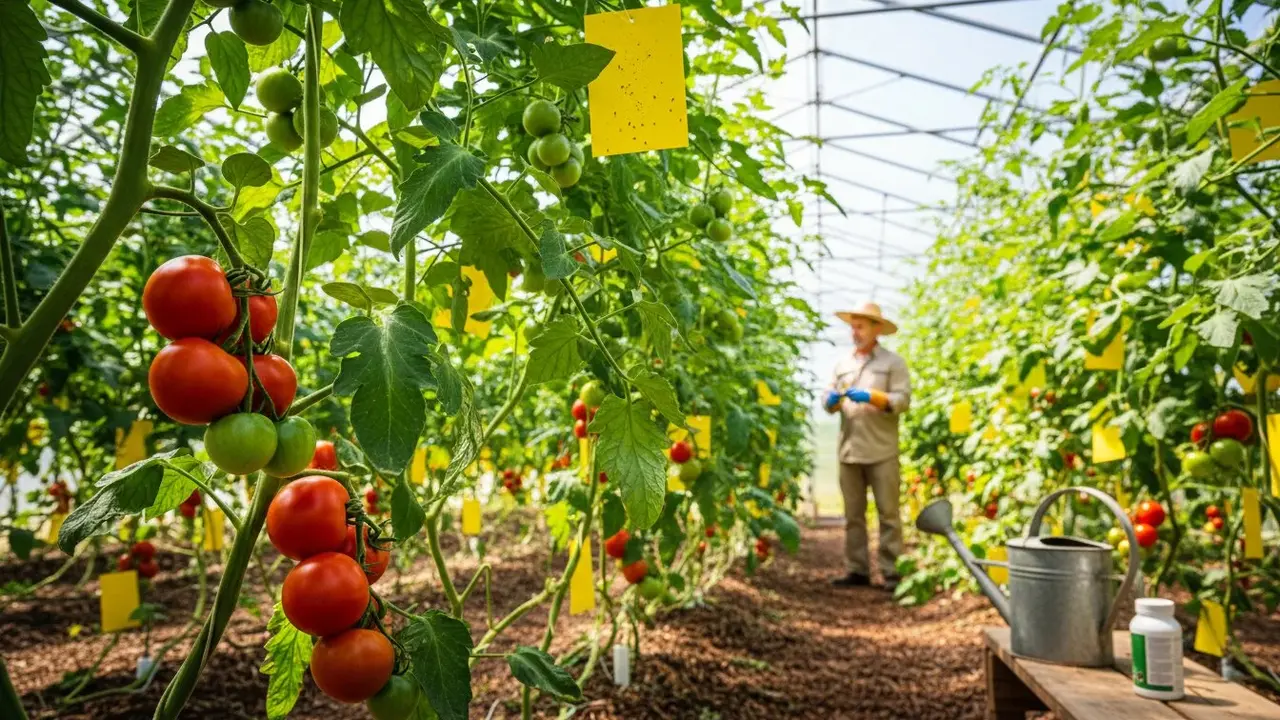
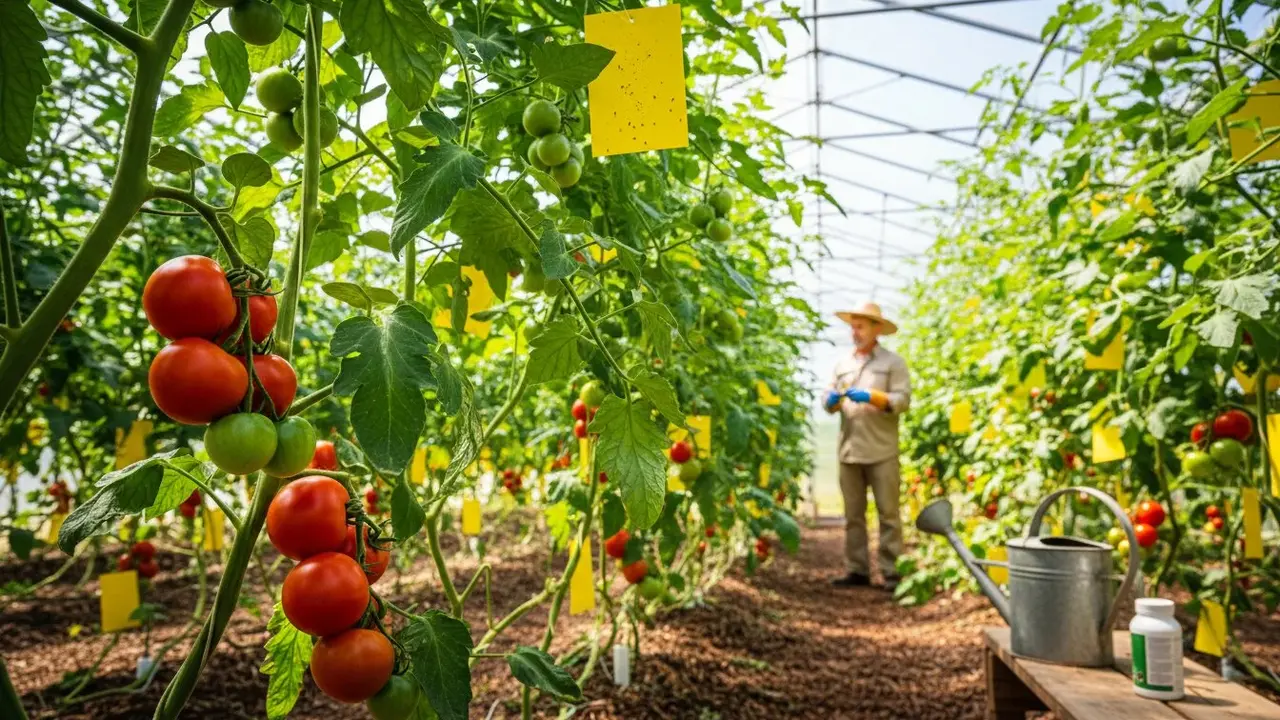
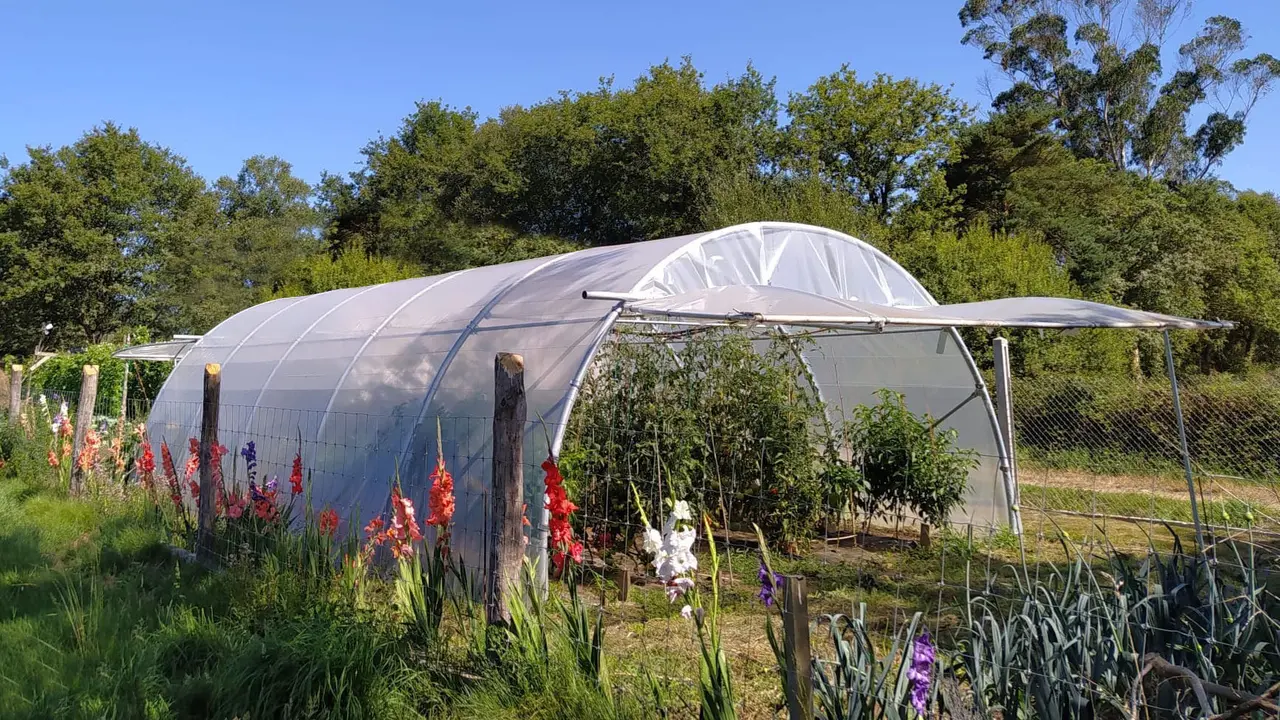
On the other hand, these types of plants can be grown outdoors, but controlled areas are also recommended. Some of the options are greenhouses, such as: multitunnel greenhouse, Gothic greenhouse and multi wide span greenhouse. Keep reading to find out more details.
- What is marigold or Tagetes?
- Origin and characteristics of the marigold
- What is marigold used for?
- Types or species of marigold or Tagetes
- Care required to grow tagetes
What is marigold or Tagetes?

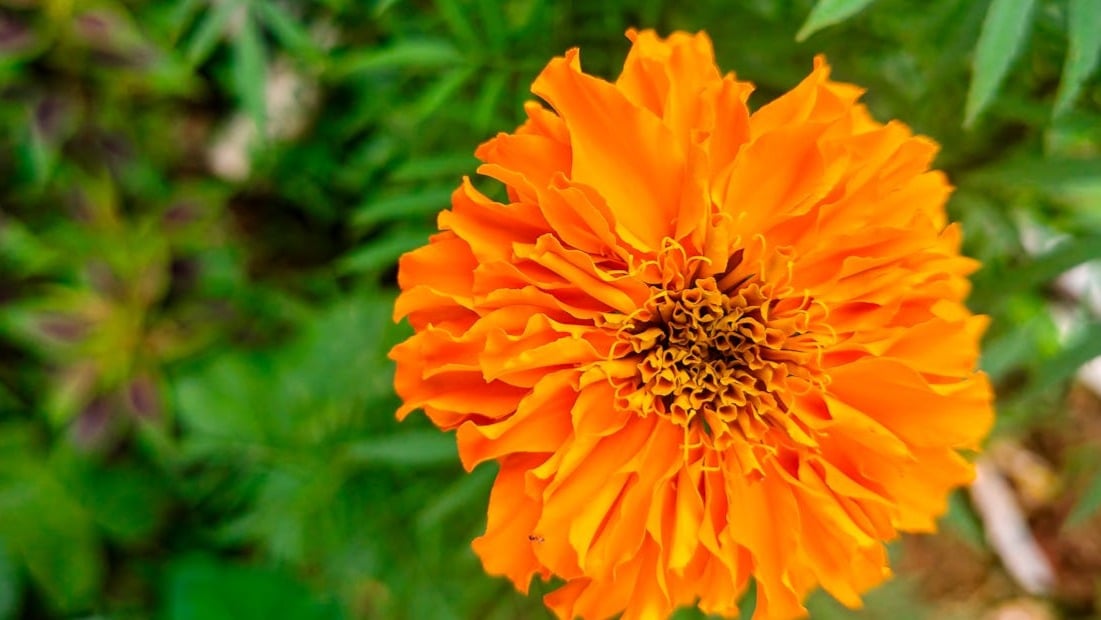
The marigold is also known as Tagete and is a very popular ornamental plant in gardens and orchards. It has brightly coloured flowers, such as yellow, orange and red.
These usually bloom at various times of the year, but it is an annual plant, meaning that it completes its life cycle in a single season. Unlike other carnations, it has a different aroma, its fragrance is strong and it is good for repelling insects.
Origin and characteristics of the marigold
You might think it comes from India, but this plant is native to Mexico and Central America. Over time, it spread to Europe and Asia through Spanish explorations in the 16th century. It adapted very quickly to garden beds.
Some of its main features are:
- It can reach between 20 and 100 cm in height, depending on the variety.
- Its leaves are small and green.
- Its flowers are intensely coloured and can be single or double.
- The life cycle is short, but it offers abundant flowering.
- They are resistant to different weather conditions.
What is marigold used for?
The uses of Indian carnations are varied and go beyond aesthetics. Some options are:
- Ornamental gardening: For their vivid colours that decorate flower beds and pots.
- Organic farming: Its roots release substances that repel nematodes, protecting other crops.
- Traditional medicine: Some cultures use it as an infusion to relieve digestive or nervous discomfort.
- Culinary: In certain places, the petals are used as a colouring agent or mild seasoning.
This demonstrates that the Indian carnation is a versatile plant, with functions ranging from decorative to practical.
Types or species of marigold or Tagetes

There are different species within the Tagetes genus, although the most popular are:
- Tagetes erecta: This is the largest variety, with double, very showy flowers. It is also known as the 'Chinese carnation'.
- Tagetes patula: Smaller in size, ideal for pots and garden borders.
- Tagetes tenuifolia: This plant produces small, highly aromatic flowers and also has culinary uses.
Care required to grow Tagetes
This is an easy plant to maintain, but you must take certain precautions to ensure it grows healthily.
Watering the marigold
Watering should be moderate, avoiding waterlogging. Ideally, the soil should be kept moist without excess, as too much water can damage the roots.
Lighting required for marigold
This plant needs plenty of sunlight, ideally direct sunlight. It needs at least 6 hours of sun per day, as this will stimulate abundant flowering.
Fertiliser for Indian carnations
Light fertilisation every two or three weeks promotes flower production. In addition, a fertiliser rich in potassium and phosphorus is recommended.
Diseases
It is a fairly hardy plant, but it can be affected by fungi if there is excess moisture. Aphids or thrips may also appear. It is best to avoid this.
Temperature
It adapts to different climates, but prefers warm temperatures between 18 and 30 °C. Furthermore, it does not tolerate frost well, so you should monitor it more closely during that season.
Sowing and flowering of the Marigold
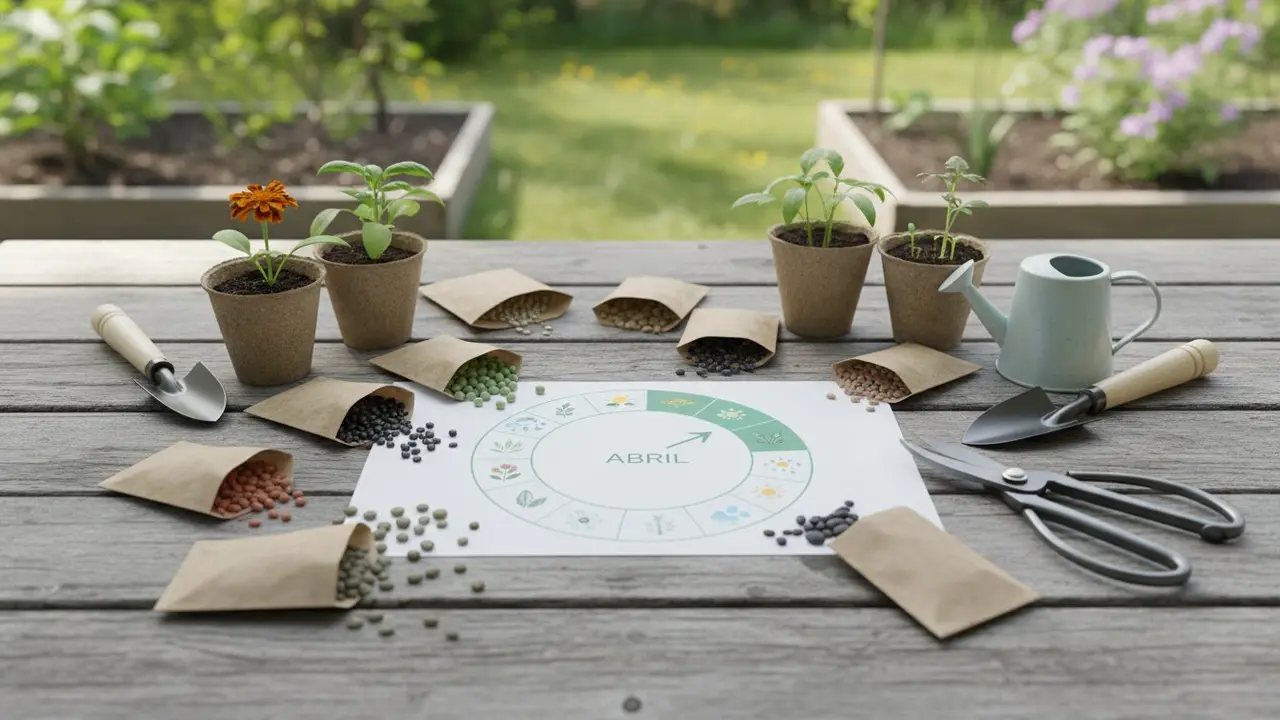
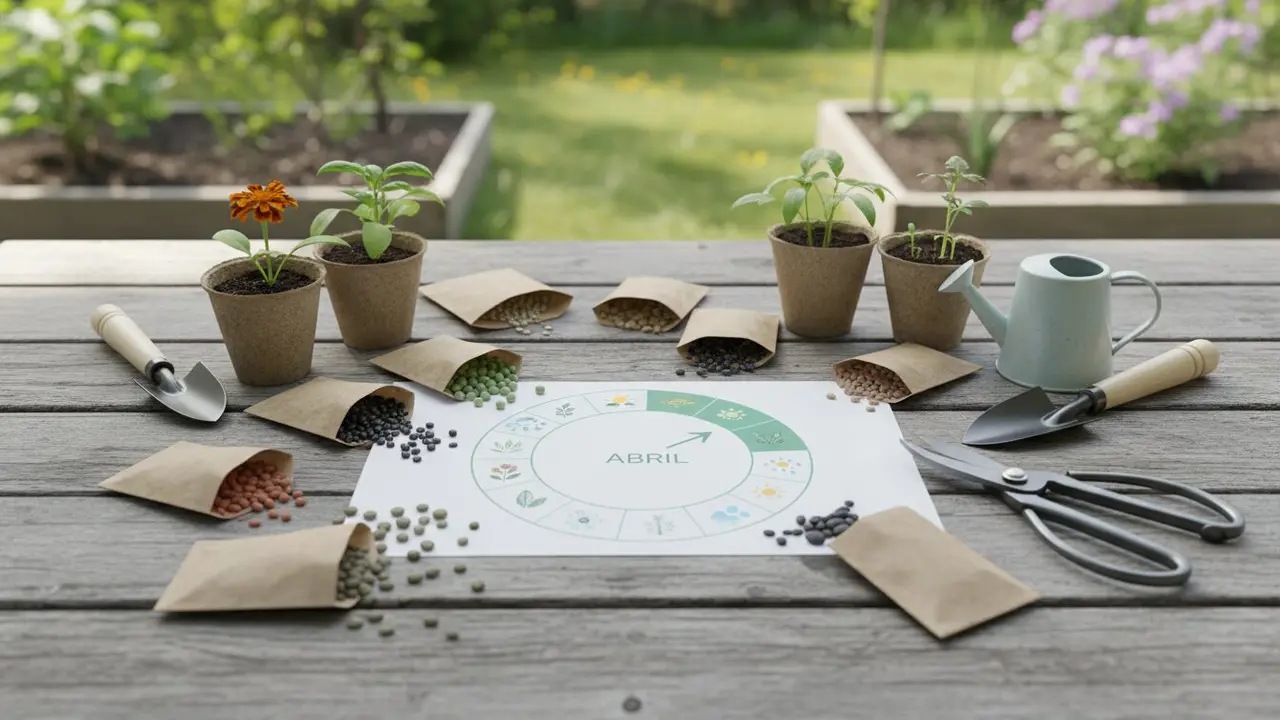
Finally, it can be sown from seeds in spring. Germination occurs within a few days and flowering can last until autumn, providing colour for months.
Remember that if you wish to plant seedlings in controlled environments, you can choose from a range of high-quality greenhouses and structures such as those offered by Fertri.
Some of the options are: multitunnel greenhouse, gothic greenhouse and multi wide span greenhouse. Do not hesitate to choose the one that is right for you.