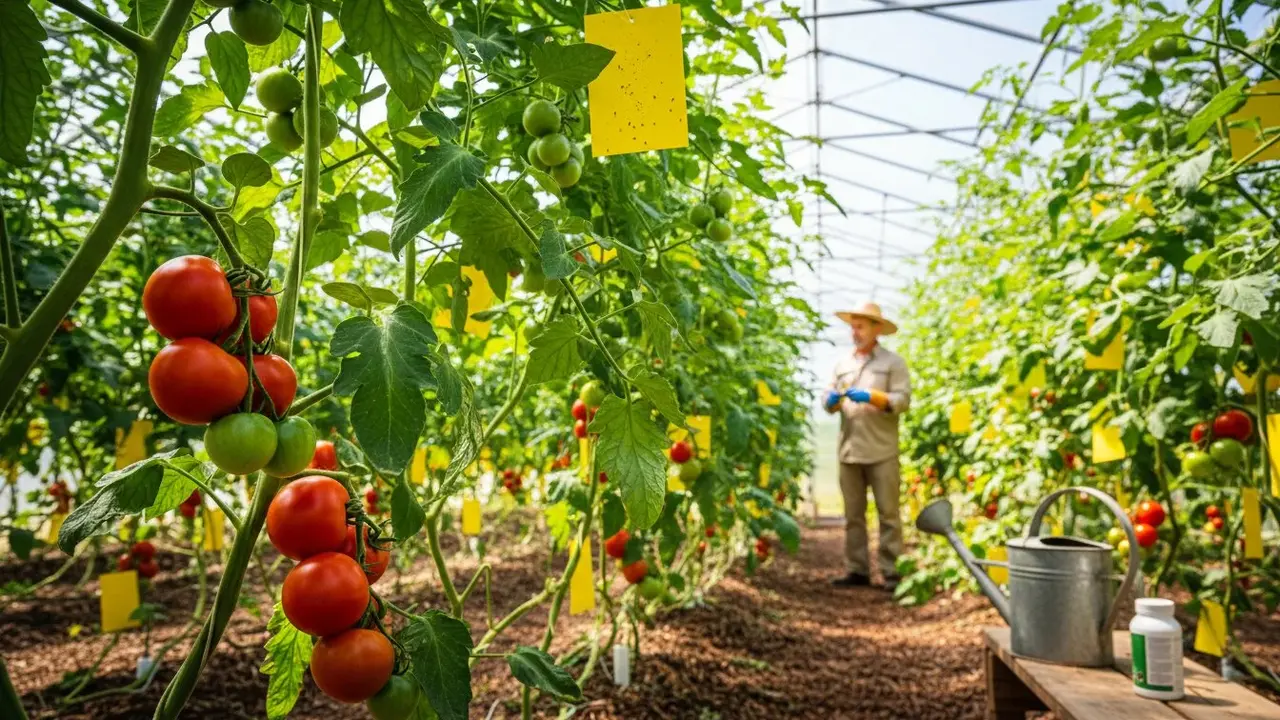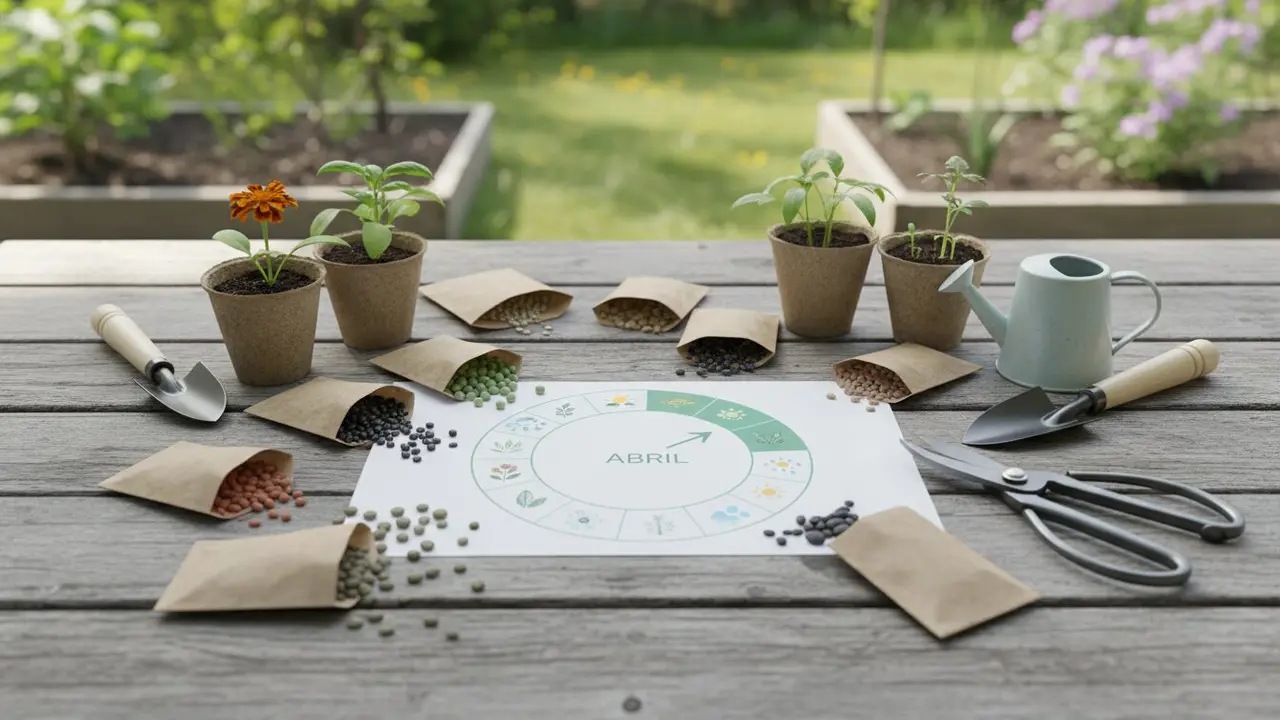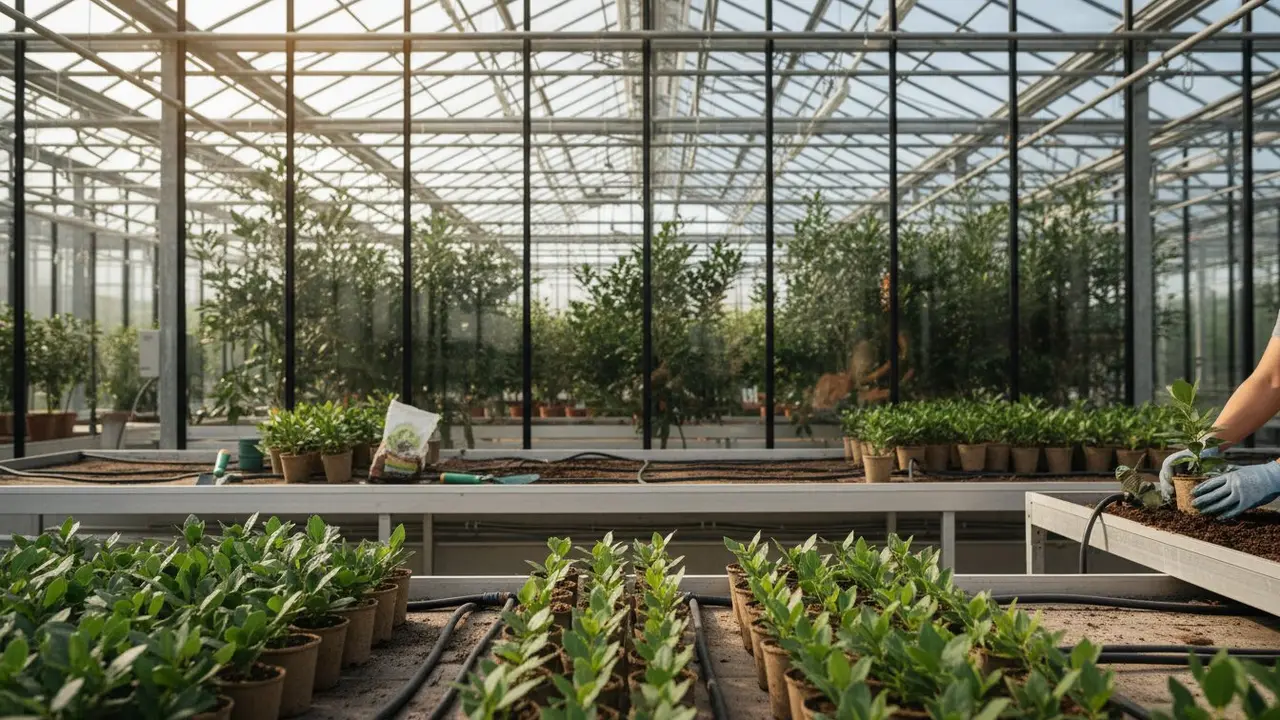
How can you protect your crops and plants from inclement weather with garden greenhouses?
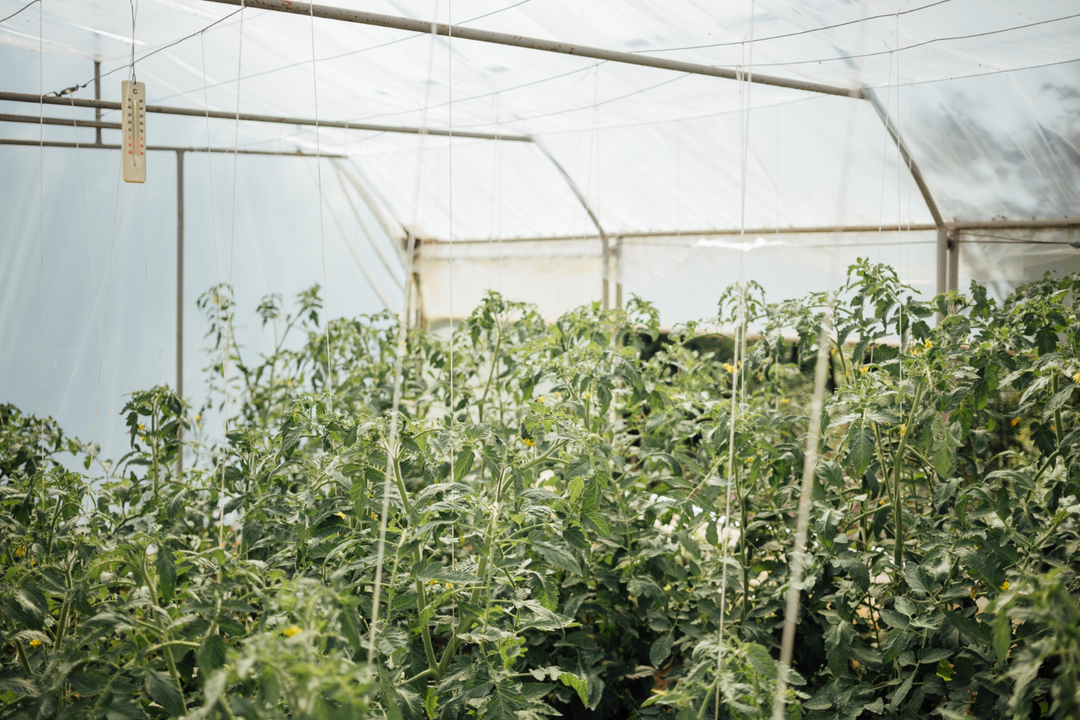
Protecting against bad weather is essential to ensure that your crops and plants grow healthily and yield their maximum potential. Adverse weather conditions such as cold, heavy rain and wind can damage the quality and production of plants.
The use of tunnel greenhouses, straight-walled tunnel greenhouses or mini tunnel greenhouses is an effective solution for coping with adverse weather conditions. We will explain how to improve the protection of your crops with practical strategies and suitable structures.
- Why is it important to protect crops with greenhouses?
- Advantages of using garden greenhouses for climate protection
- Effective methods for protecting crops and plants from cold weather and frost
- Protecting crops from heavy rain and wind with greenhouses
- Care and recovery of plants after exposure to bad weather
- Best garden greenhouses to protect your crops from inclement weather
Why is it important to protect crops with greenhouses?
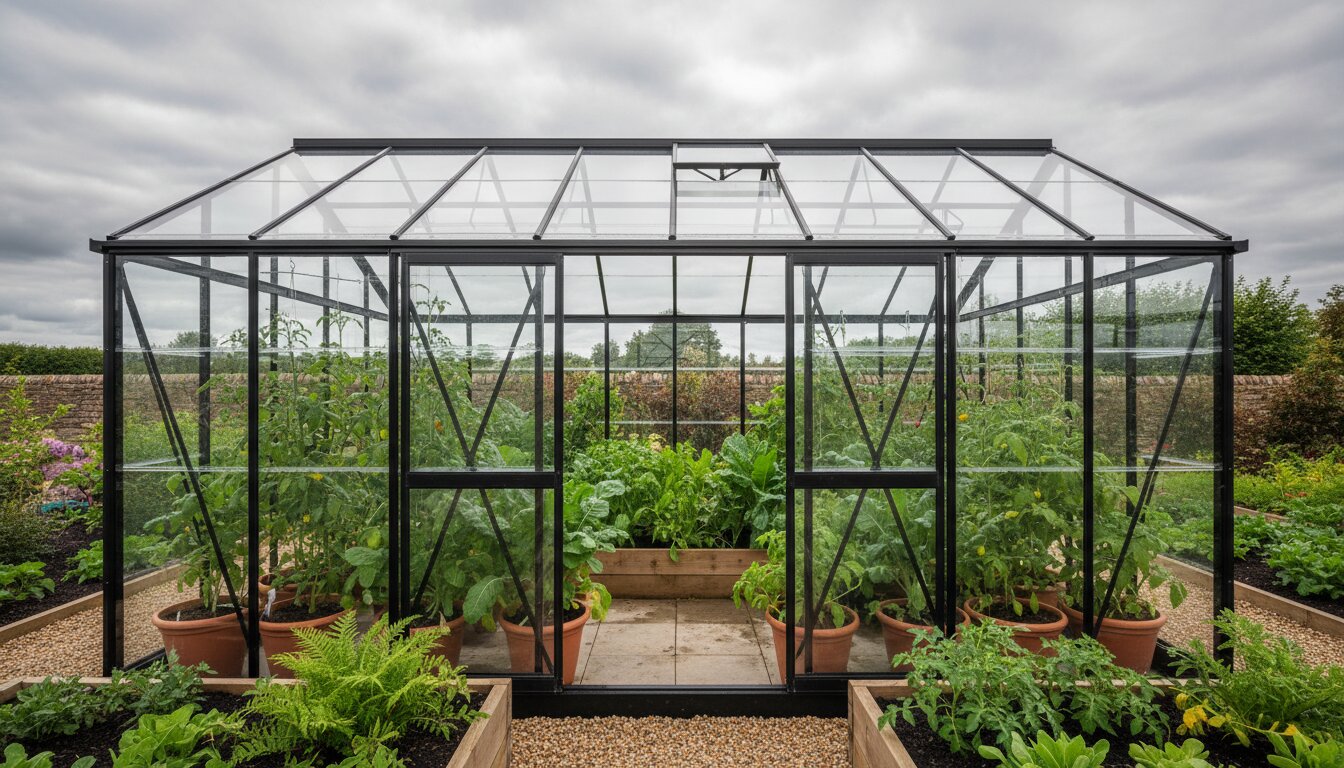
Protecting crops with appropriate methods minimises losses and strengthens their resistance to environmental stress. Garden greenhouses provide an effective barrier against these factors.
Did you know that some crops are more resistant to cold weather? Knowing which ones can help you plan your garden well, combining them with these protective structures to optimise results and maintain more consistent growth throughout the season.
Impact of cold, rain and wind on crops
Low temperatures can cause frost, which damages tissues and delays growth. Excessive rain causes waterlogging, which affects the roots and promotes fungal diseases. Strong winds can break stems and leaves, as well as increase evaporation, drying out the plants.
Advantages of using garden greenhouses for climate protection
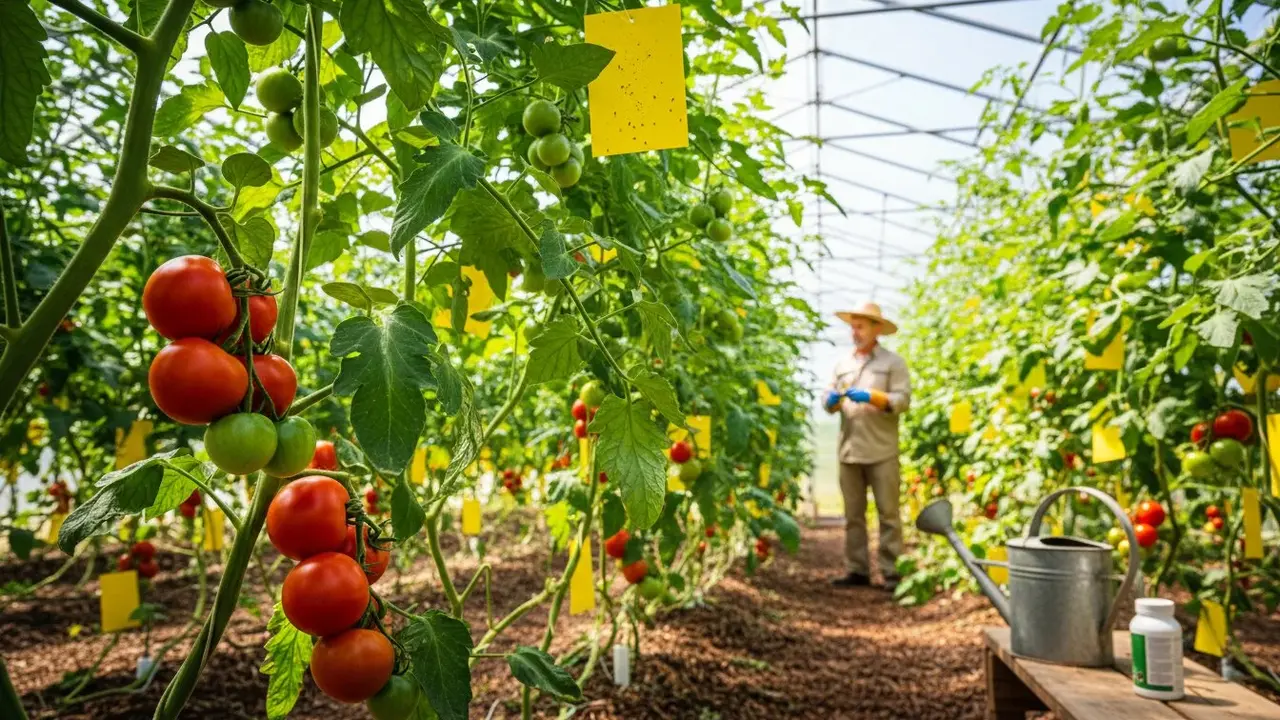
Garden greenhouses act as shields that control temperature, humidity, and direct exposure to wind and rain. This reduces environmental stress, prevents mechanical damage, and improves water use efficiency. They also allow for an extended growing season.
Some species such as cabbage, chard, and certain citrus fruits are more tolerant of low temperatures. Combining hardy crops with greenhouses allows for maximised production and protects plants that are more sensitive to adverse weather conditions.
Effective methods for protecting crops and plants from cold weather and frost
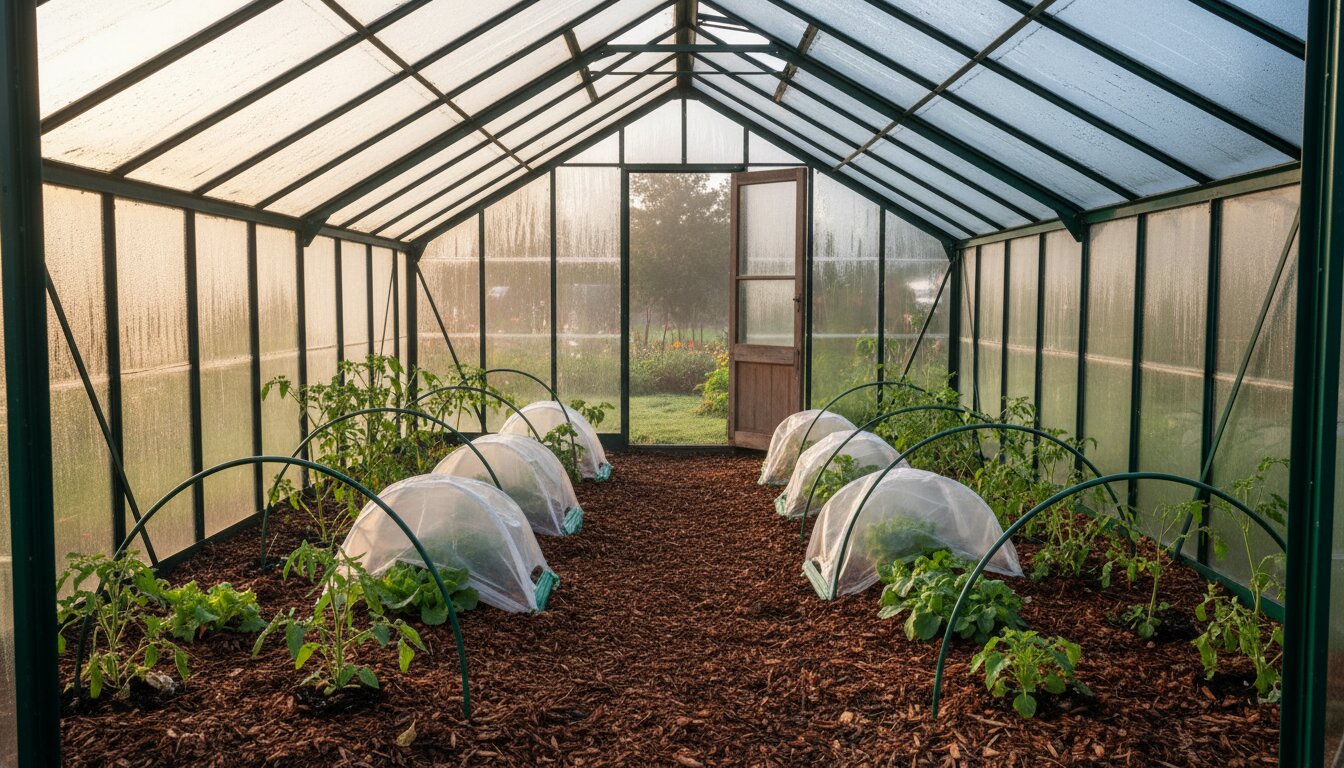
To protect against bad weather, especially cold and frost, there are various techniques that help maintain optimal conditions for cultivation. The use of greenhouses is one of the most recommended, complemented by other solutions.
It is essential to select the right materials and supplement thermal protection with practices such as mulching and proper irrigation management.
Use of greenhouses to protect crops
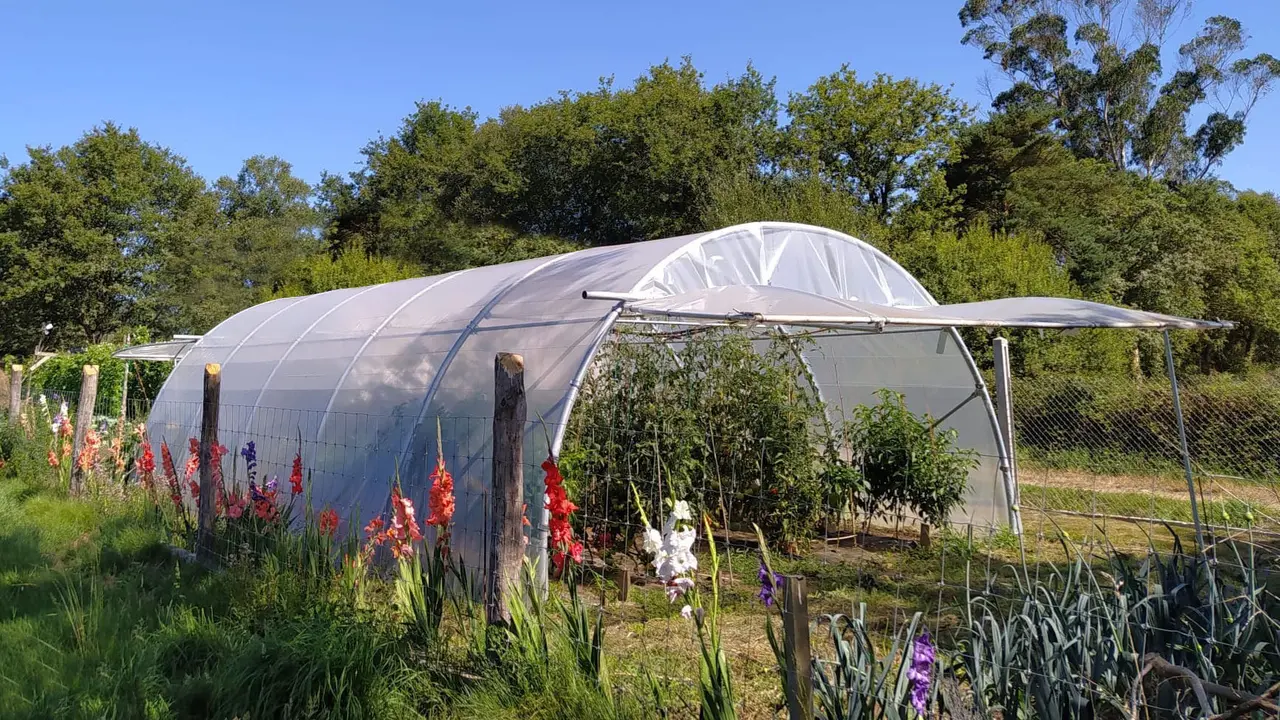
Among the most effective types of greenhouses are tunnel greenhouses, straight-walled tunnel greenhouses, and mini-tunnel greenhouses. Their structure allows them to retain heat and protect against wind and rain.
The most commonly used materials for covering them are polyethylene and polycarbonate, which combine thermal insulation with good light transmission.
Protective covers and mulching to conserve heat
Mulching with organic or plastic materials retains soil temperature, prevents moisture loss, and reduces the impact of cold weather. Covering plants with thermal or plastic fabric is also useful for protecting leaves and stems from frost.
Tips for proper watering and management in winter
During cold weather, watering should be moderate to avoid waterlogging, which damages roots. Ideally, watering should be done in the middle of the day, when the temperature is highest, to promote absorption and prevent the water from freezing.
Protecting crops from heavy rain and wind with greenhouses
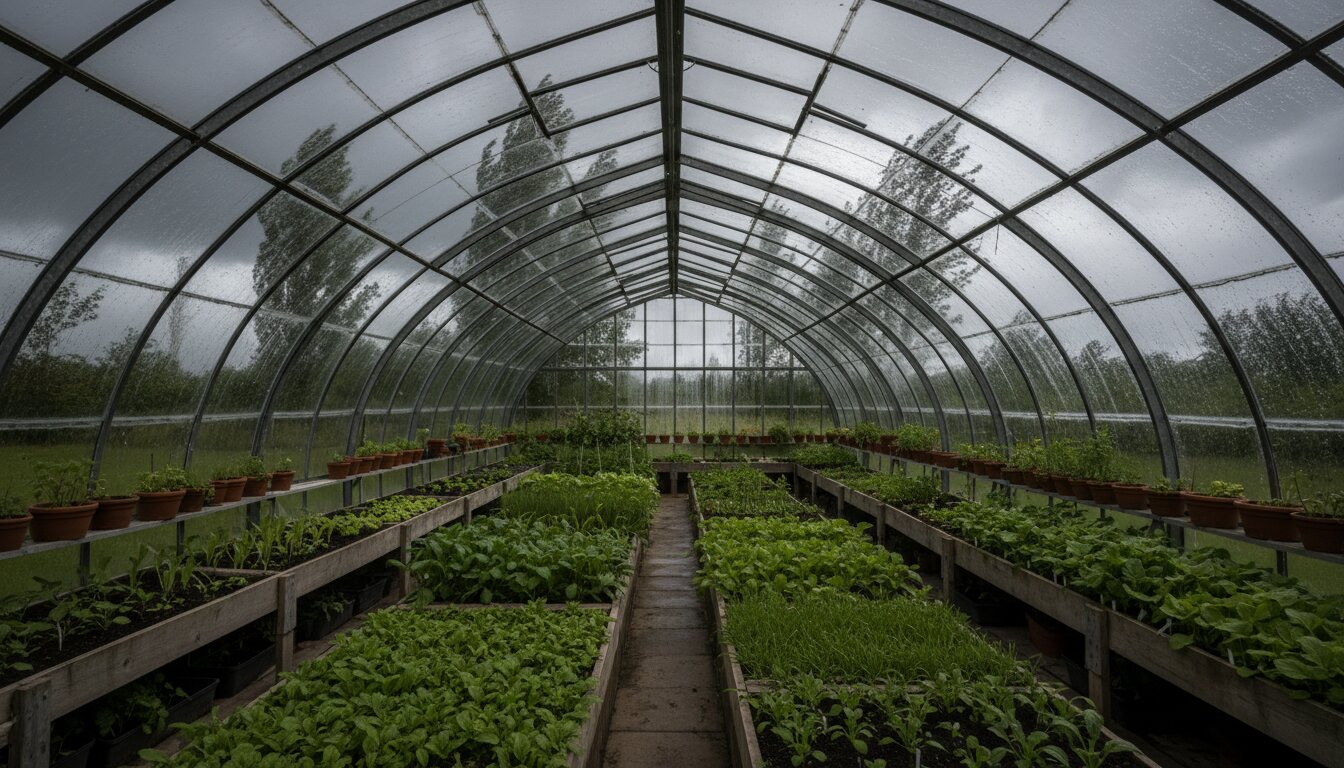
Heavy rain and wind can put crops at risk if adequate measures are not taken to protect them. Greenhouses and a good drainage system are key to preventing damage.
Furthermore, using natural or artificial barriers helps to reduce the impact of strong winds on plants.
Importance of adequate drainage to prevent waterlogging
Well-drained soil prevents water from accumulating and causing root rot or disease. It is advisable to prepare raised beds or add sandy material to improve water drainage.
Use of greenhouses to protect crops from excessive rain and wind
Greenhouses protect plants from direct exposure to heavy rain and wind. This allows for better humidity control and prevents mechanical damage caused by gusts or hail.
Other measures to protect the garden in adverse conditions
Placing natural windbreaks such as hedges or artificial shelters around the garden helps to reduce wind speed. It is also useful to secure plants with stakes and prune them appropriately to strengthen their structure.
Care and recovery of plants after exposure to bad weather
After a spell of bad weather, it is essential to check the condition of your plants and take action to help them recover. Knowing how to identify damage and apply appropriate treatments will prevent further losses.
Furthermore, implementing preventive maintenance will strengthen the resistance of crops to future adversities.
How to identify whether a plant is damaged by cold or excess moisture
Common signs of cold damage include wilted, dark or burnt leaves. Excess moisture causes root rot, yellowing leaves and the presence of fungi.
Treatments for burnt or frost-damaged plants
It is advisable to prune damaged parts to prevent the damage from spreading. Apply fungicides if there are signs of fungus and improve ventilation to speed up recovery.
Preventive maintenance to avoid future damage
It is recommended to reinforce protection with suitable greenhouses, maintain the soil in good condition, and adjust irrigation according to the season. It is also useful to monitor the garden regularly to detect problems early.
Best garden greenhouses to protect your crops from inclement weather
FERTRI garden greenhouses are ideal for protecting your outdoor crops from inclement weather, offering advantages such as temperature control, protection from wind and rain, and providing a stable environment for growth.
With these structures, you can maintain an optimal microclimate, prevent excess humidity, and protect any crop regardless of the season. We invite you to check out the tunnel greenhouse, the straight-wall tunnel greenhouse and the mini tunnel greenhouse so you can choose the one that best suits your project. If you have any questions, please contact us and we will be happy to advise you.