What are garden beds? Types and organisation in greenhouses
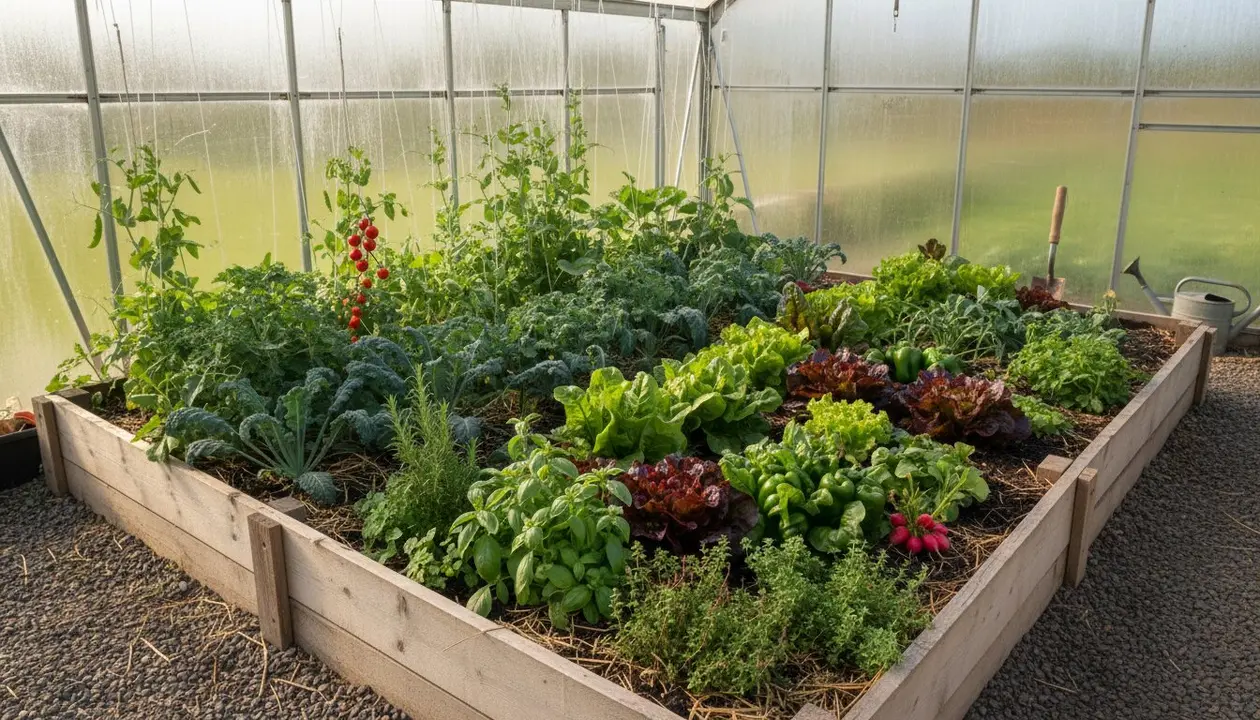
Terraces for vegetable gardens are essential structures for organising land intended for cultivation. Their origin dates back to ancient agricultural practices, where the aim was to optimise soil and water on uneven land or land at risk of erosion.
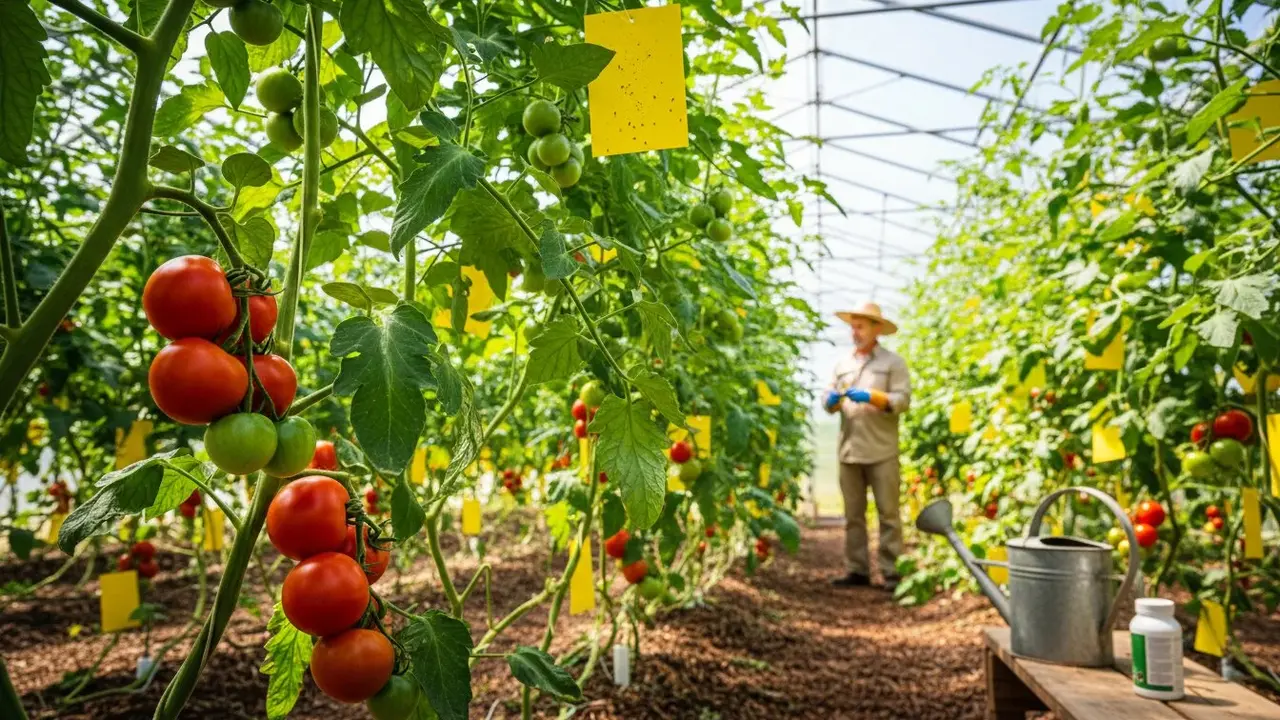
Nowadays, raised beds not only make farming easier, but they're also key in urban gardens and protected spaces. They let you make better use of space, control soil conditions, and boost productivity, which are vital for people who grow stuff in garden greenhouses like the tunnel greenhouse, straight-walled tunnel greenhouse or the mini tunnel greenhouse.
- What is a vegetable garden bed?
- Why are terraces important for vegetable gardens?
- Types of garden beds and their main characteristics
- Advantages and benefits of growing crops on raised beds inside garden greenhouses
- How to organise and build raised beds for vegetable gardens in garden greenhouses
- Best garden greenhouses for vegetable gardens
What is a vegetable garden bed?
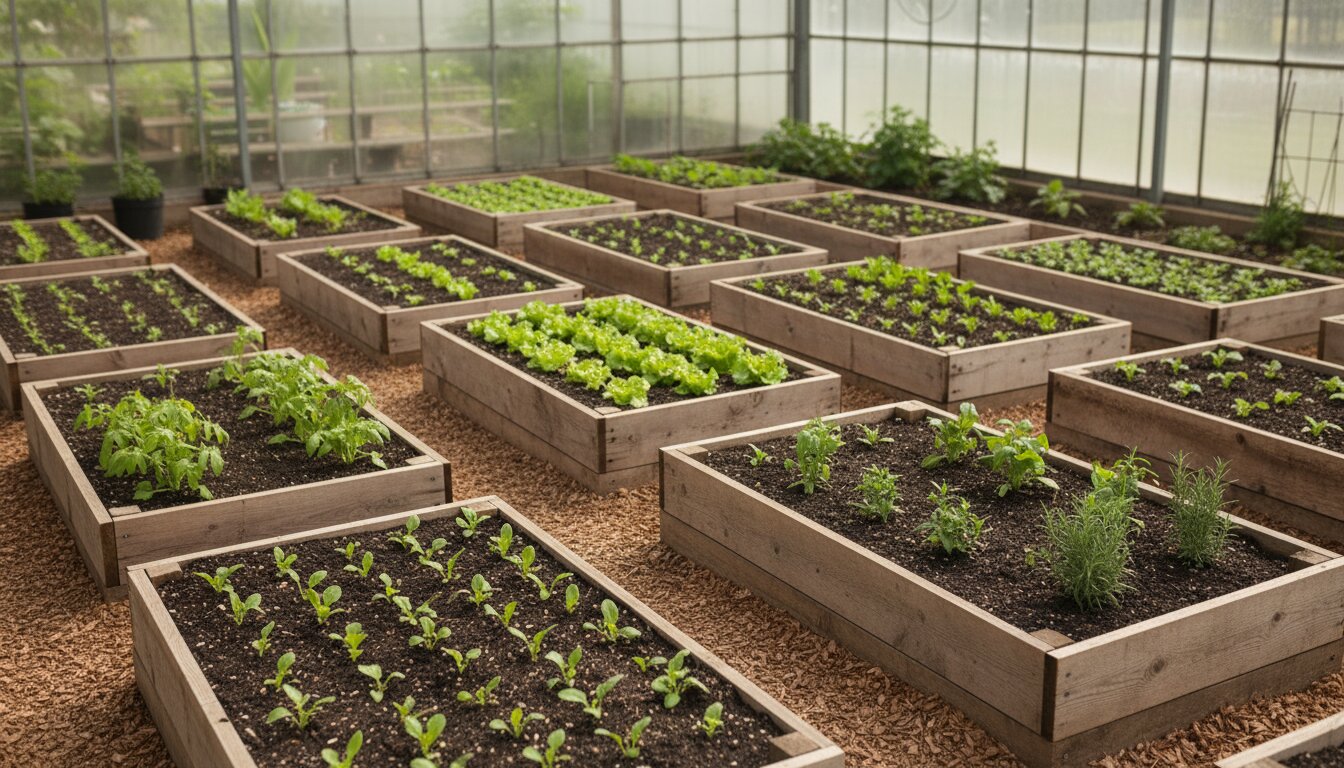
A garden bed is a raised or enclosed bed of soil intended for planting and cultivation. It facilitates soil management, improves drainage, and allows for more efficient control of water and nutrients. It usually has clear edges to separate areas and organise the crop.
Terraces emerged as a solution in mountainous areas with soil prone to erosion. Ancient civilisations such as the Incas used terraces to maximise space and conserve moisture. Over time, this technique spread and adapted to different climates and types of crops, and is now a common practice in domestic and professional gardens.
Why are terraces important for vegetable gardens?
They are an effective tool for improving soil structure and facilitating mechanisation or manual labour. Their use helps to optimise resources such as water and fertilisers, control pests and organise space, especially within controlled structures such as garden greenhouses.
Types of garden beds and their main characteristics
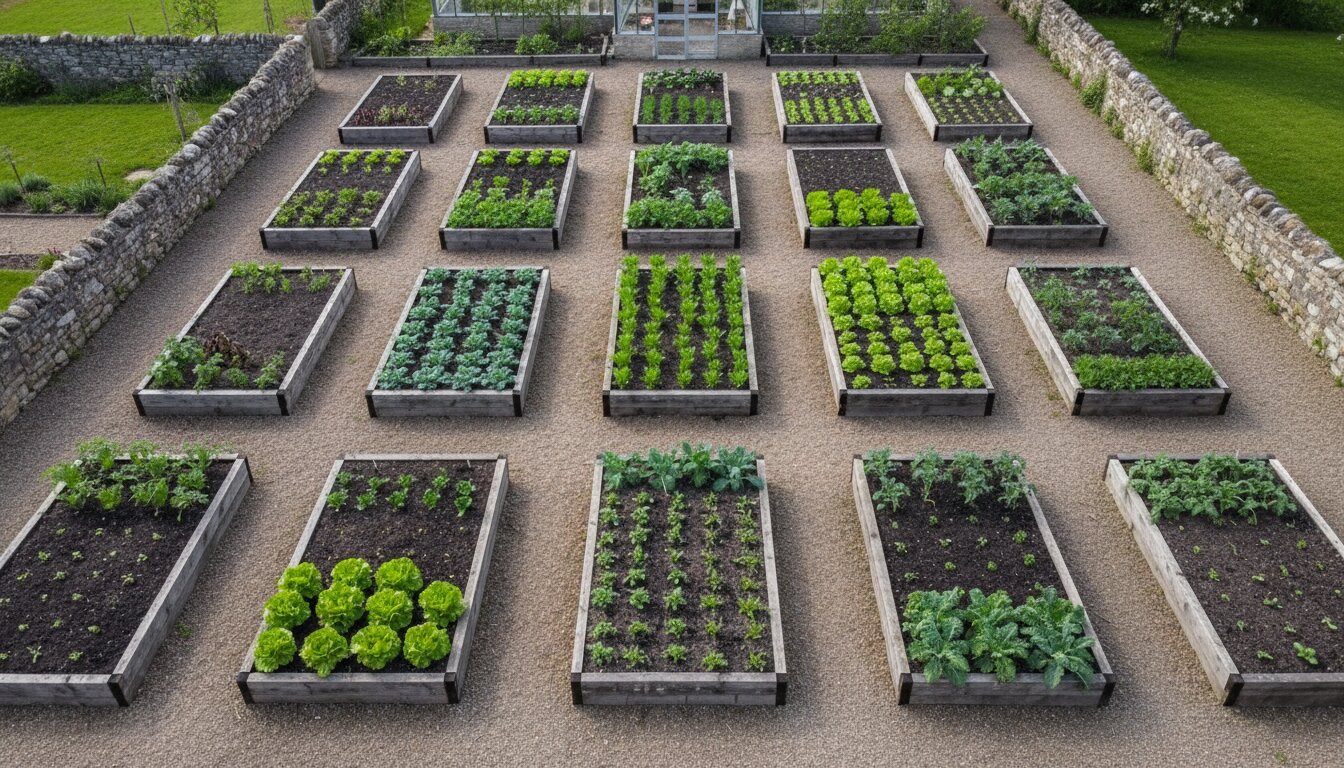
Understanding the different types of terraces is key to choosing the one that best suits your land and crops. Each design has specific advantages, and the materials and dimensions vary depending on the use and available space.
In general, terraces are mainly classified as raised or deep, although there are variations depending on the cultivation system or type of garden.
Raised beds: advantages and construction
These terraces are raised beds above the natural ground level, bordered by wood, stone or other materials. They are ideal for improving drainage and preventing compaction, allowing for optimal control of the soil and moisture.
They are quick and easy to build, perfect for small vegetable gardens or garden greenhouses. They also promote good posture, as they make it easier to work without having to bend down so much.
Deep terraces: performance and design
Deep beds have greater height and soil volume, allowing for greater nutrient storage and water retention. They are suitable for crops that require loose, deep soil, such as roots or tubers.
Their design is usually more complex and may require more materials, but they offer superior performance and better resistance to variable weather conditions.
Advantages and benefits of growing crops on raised beds inside garden greenhouses
Terraces for vegetable gardens offer particular advantages when used inside garden greenhouses. The combination enhances environmental control and improves plant health.
These agronomic and practical benefits can make a difference in the quality and quantity of the harvest.
Improved drainage and soil quality
Thanks to their structure, raised beds facilitate the drainage of excess water and prevent waterlogging that damages roots. In addition, by controlling the composition of the substrate, aeration and fertility are improved.
Inside a greenhouse, this is key to maintaining optimal soil conditions throughout the year, regardless of the external climate.
Pest control and efficient weed management
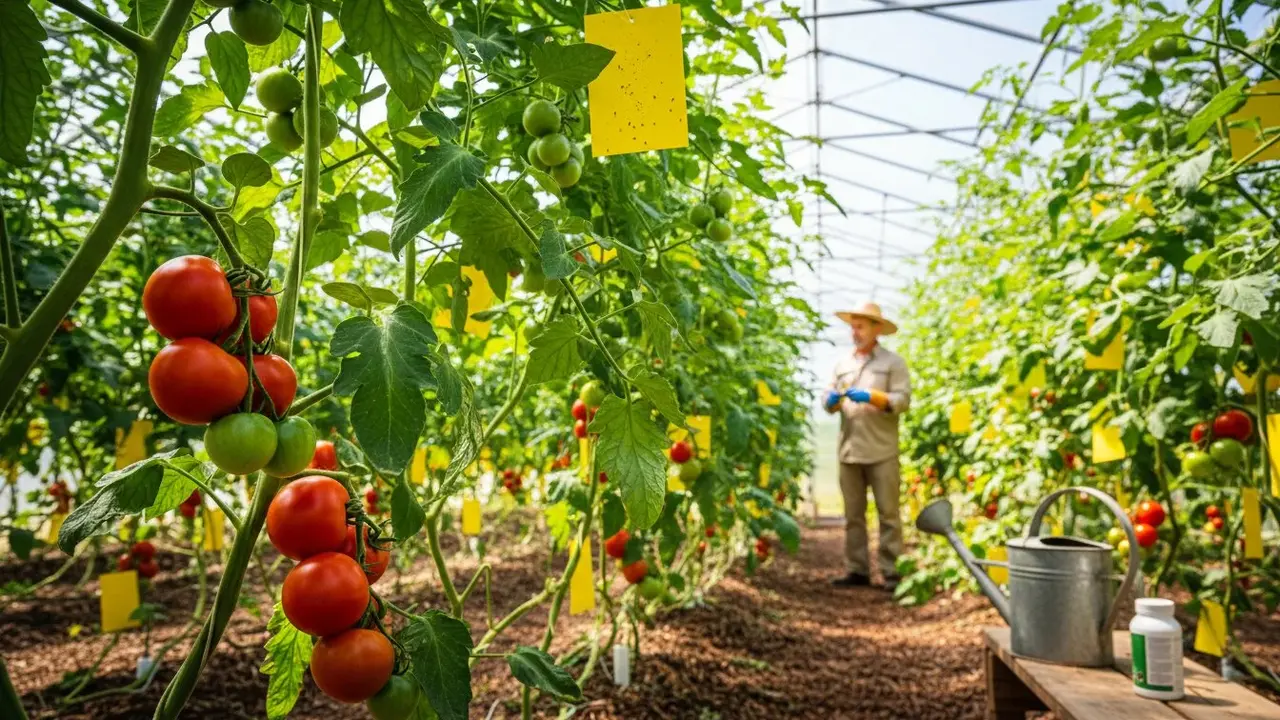
Terraces allow you to delimit growing areas and isolate plants, which helps you detect and control pests quickly. Limited access to weeds also reduces competition for nutrients and facilitates manual or mechanical removal.
This organisation improves integrated pest and disease management, which is vital in enclosed spaces such as greenhouses.
Comfort, ergonomics and space saving in greenhouses
Organising the garden with raised beds makes daily work easier, avoiding excessive bending and reducing physical effort. They also optimise space, maximising the usable area for crops inside the greenhouse.
With the right design, you can grow more in less space, increasing the profitability and efficiency of your garden.
How to organise and build raised beds for vegetable gardens in garden greenhouses
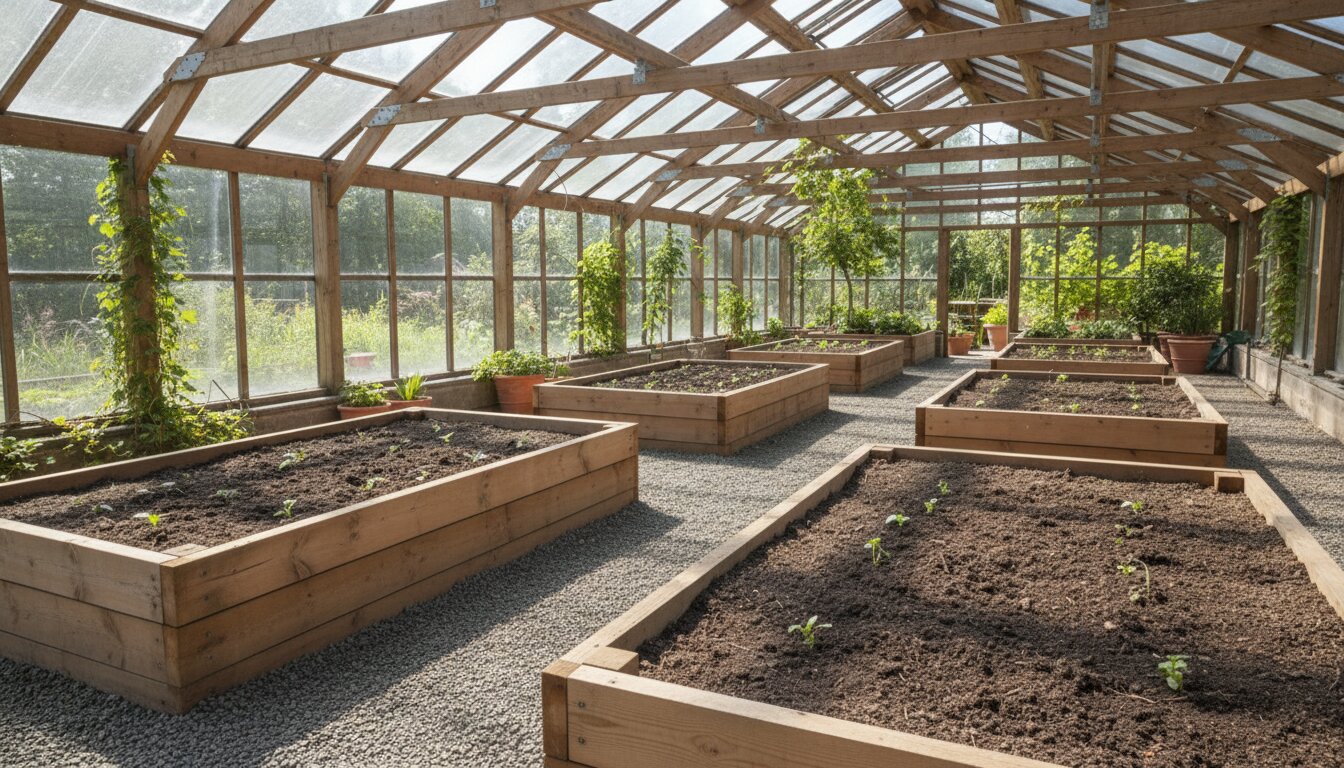
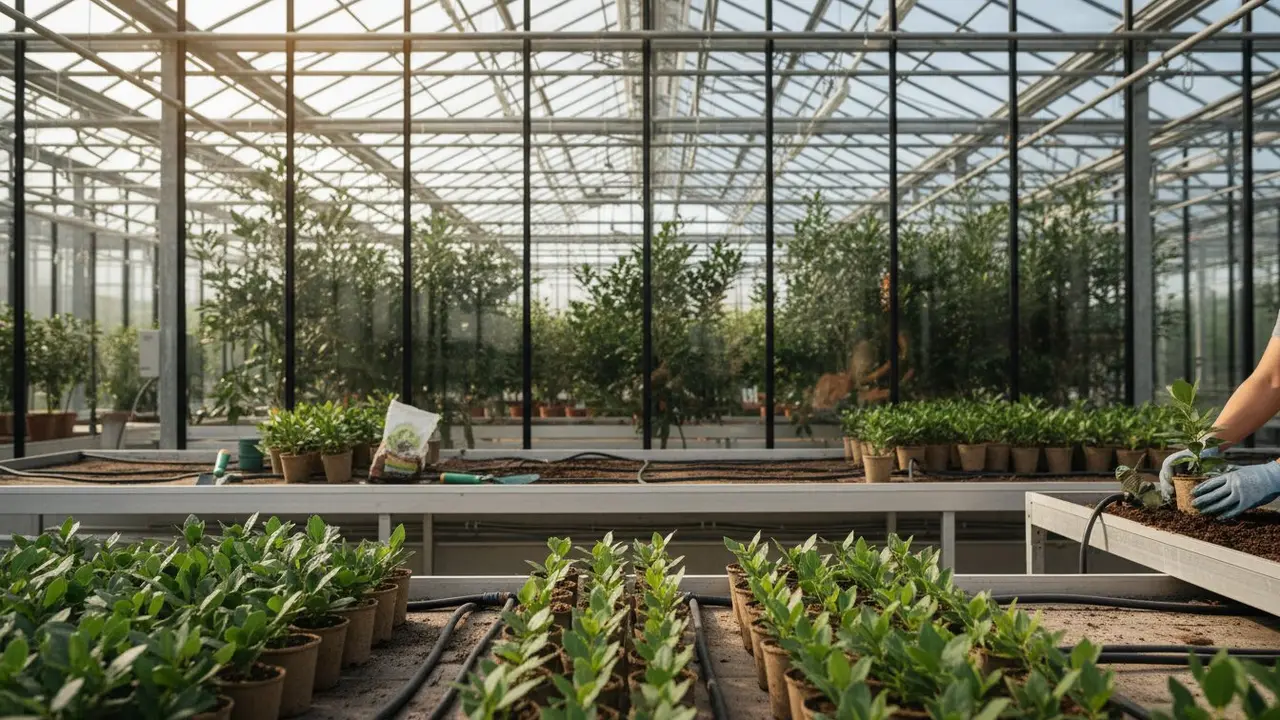
Designing and building garden beds inside garden greenhouses requires planning and knowledge of materials, measurements, and soil. Good design is key to reaping all the benefits.
Below are some practical tips on how to achieve this.
Recommended design and dimensions for greenhouse beds
The terraces should be of a convenient size for access and handling. Generally, a width of 1 to 1.2 metres allows you to work from both sides without stepping on the soil.
The length can be adjusted to the size of the greenhouse, but it is recommended to leave aisles of at least 40-50 cm to facilitate passage and maintenance work.
Materials and steps for building raised and deep beds
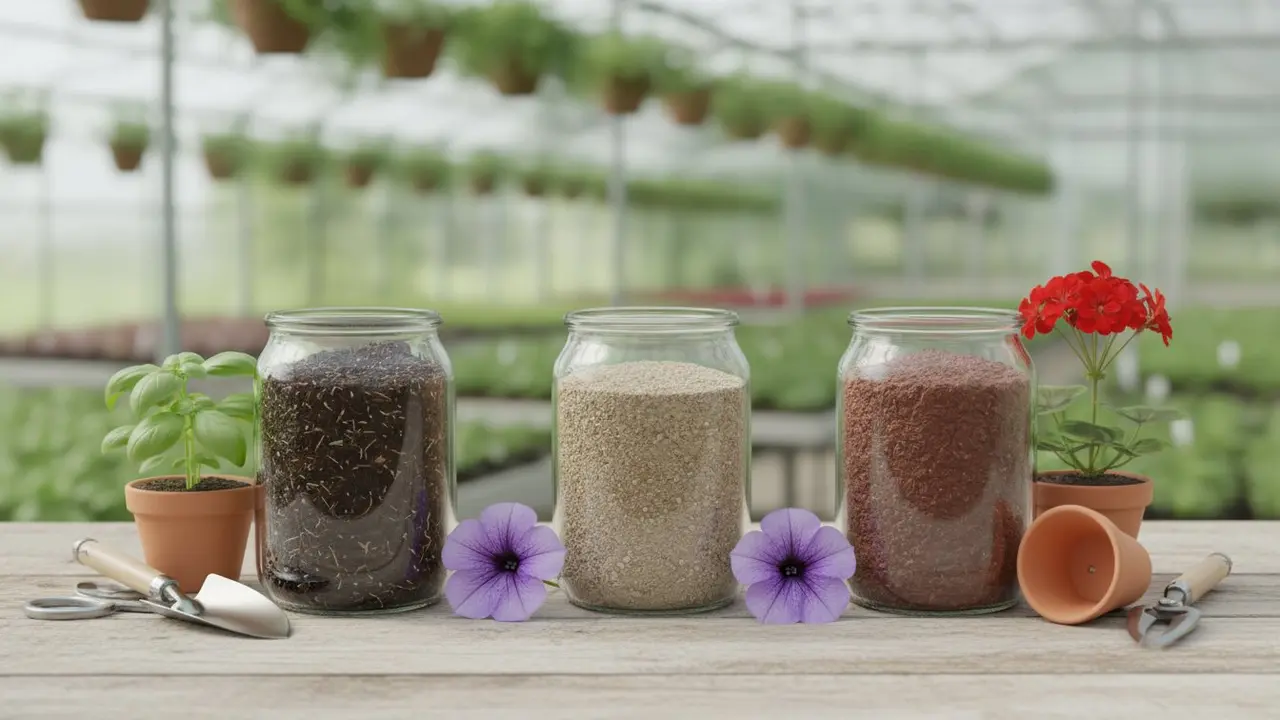
For raised beds, common materials are treated wood, blocks or stones for edging. Good stability and durability must be ensured. The internal soil is filled with a mixture of fertile soil and compost.
Deep terraces require more robust structures and a greater volume of soil. It is important to control compaction and maintain adequate moisture levels.
In both cases, preparing a level base and establishing drainage systems are essential steps.
Soil preparation and irrigation systems for greenhouse beds
The soil should be well aerated and enriched with organic matter to maximise fertility. The ideal mixture combines topsoil with compost and sand to improve texture.
Irrigation should be uniform and controlled. Drip or sprinkler systems adjusted to the size of the bed are recommended to prevent waterlogging and ensure that each plant receives adequate water.
Purchasing the appropriate materials and systems is straightforward by visiting a specialised shop, where you will find options for all budgets and garden sizes.
Best garden greenhouses for vegetable gardens
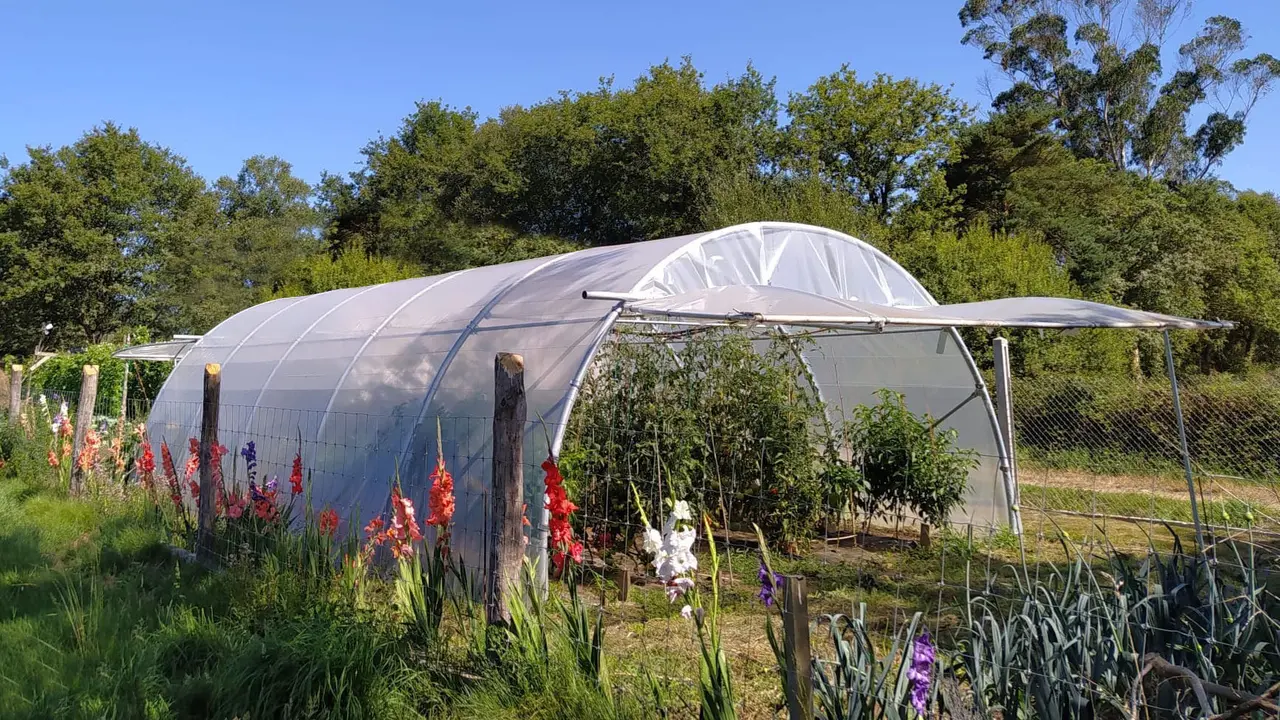
FERTRI's garden greenhouses are perfect for optimising cultivation in raised beds. Models such as the tunnel greenhouse, the straight-walls tunnel greenhouse, and the mini-tunnel greenhouse offer protection, climate control, and adequate space to comfortably organise raised beds.
With these structures, you can maintain temperature and humidity and protect your plants all year round, avoiding the impact of variable weather. We invite you to review each model so you can choose the one that best suits your project. And if you have any other questions, you can contact us and we will advise you.